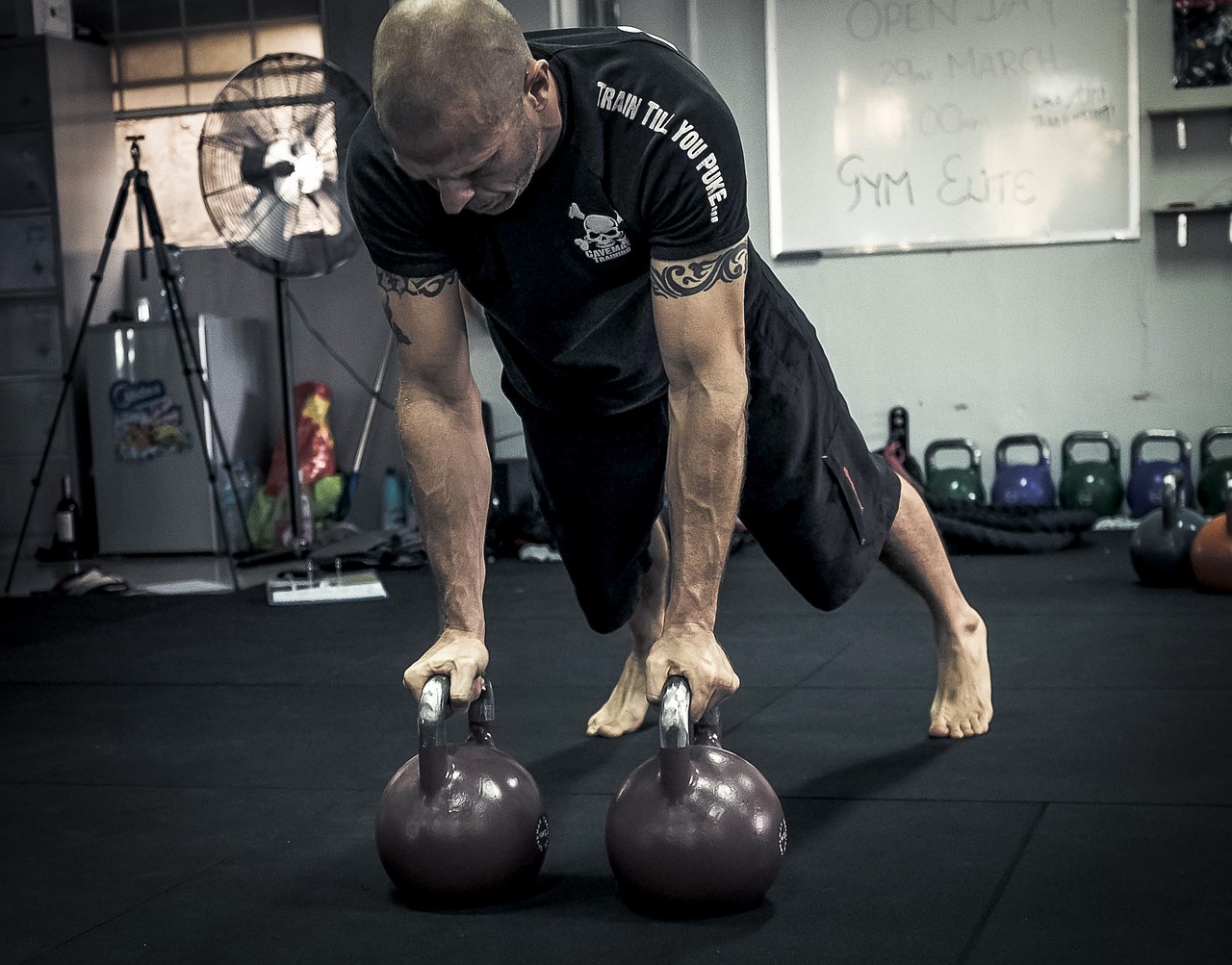

Beginner to Advanced: Progressing Your Gym Kettlebell Workouts
Embarking on your kettlebell training journey can be both exciting and a bit daunting. If you’re a beginner, it’s crucial to start with the basics to build a solid foundation. Begin by familiarizing yourself with the kettlebell’s unique design, which promotes a different type of movement compared to traditional weights. Prioritize safety and technique, ensuring you maintain proper form to prevent injury. Start with the fundamental exercises like the kettlebell swing, goblet squat, and Turkish get-up. These movements enhance your strength, mobility, and coordination. Once you master these basics, gradually increase weight and incorporate more complex variations. Pay attention to your body’s feedback, making adjustments as necessary. This method establishes a balanced approach, inviting progress while minimizing injuries. Aim to train consistently, ensuring you dedicate time each week to practice. Consistency is key in building strength and improving your performance. Joining a class or working with a coach can also provide valuable insight into effective techniques. Overall, a measured progression will not only enhance your workouts but also elevate your training experience.
As you develop your kettlebell skills, transitioning from beginner to intermediate can feel like an exciting milestone. This phase allows you to explore a broader range of exercises that engage your entire body. Incorporate more dynamic movements, such as the kettlebell snatch and clean and press, which help in improving explosiveness and coordination. It’s equally important to focus on your endurance training; you can achieve this through circuits that include a variety of exercises performed back-to-back. Structure your workouts to emphasize different muscle groups and maintain a balance between strength and cardio. Mixing kettlebell exercises with other forms of training, like bodyweight exercises or resistance bands, can enhance your overall fitness. Don’t forget about recovery; allow your body the time it needs to heal and strengthen. Consider integrating stretching and mobility work into your routine. Lastly, ensure that you set clear, achievable goals to keep yourself motivated. This not only maintains focus but also provides milestones for you to celebrate. Remember, progression isn’t just about weights; it encompasses every aspect of the kettlebell training experience, enriching your workouts.
Advanced Techniques for Serious Progress
Once you have mastered the intermediate techniques, it’s time to push the boundaries of your kettlebell training into the advanced level. This period demands a refined understanding of your body mechanics and exercise execution. Experiment with high-intensity interval training (HIIT) for kettlebell workouts, which will intensify your conditioning and strength simultaneously. You can implement advanced techniques like double kettlebell lifts and complex combinations, which can be highly effective. Ensure you maintain a focused mindset during these challenging routines. Consider setting specific time frames for each workout to increase intensity. As your strength increases, so should the weight of your kettlebell. It is essential to challenge yourself while remaining cognizant of your limits to avoid injury. Consistently evaluate your goals and celebrate achievements as you reach new heights in your training. Engaging with a community of kettlebell enthusiasts can also provide motivation and new ideas for workouts. Attend workshops or local kettlebell classes to connect with others dedicated to their fitness journeys. Ultimately, the advanced phase tests your capabilities and helps solidify your commitment to kettlebell training.
To maximize your kettlebell training, closely monitor your nutrition and recovery strategies. Fueling your body with the right nutrients is critical for optimizing performance and enhancing recovery. A balanced diet rich in protein, healthy fats, and complex carbohydrates will provide the energy needed for your workouts. Consider incorporating whole foods like lean meats, fish, nuts, seeds, fruits, and vegetables into your meals. Hydration is another crucial aspect that is often overlooked. Drinking enough water throughout the day supports your body’s functions and aids in muscle recovery. As part of your routine, prioritize restorative practices, including stretching, foam rolling, or yoga to reduce muscle tension and improve flexibility. All these components work in sync to create an effective and holistic fitness regimen. Make time for adequate rest between workouts to allow your muscles to repair and grow stronger. Learning how to listen to your body is essential; if you feel fatigued or sore, adjust your workouts accordingly. Investing in your nutrition, hydration, and recovery enhances performance and accelerates the results you desire from kettlebell training.
The Importance of Consistency and Mindset
Consistency plays a pivotal role in achieving your fitness goals through kettlebell training. Regular workouts help build strength, endurance, and technique. Developing a workout schedule that fits seamlessly into your lifestyle is key, ensuring you prioritize your health. Establish a rhythm that incorporates kettlebell training at least three times a week while allowing for flexibility. This rhythm should consider how you progresses through beginners, intermediate, and advanced stages. Additionally, maintaining a positive mindset supports your journey. Embrace challenges as opportunities for growth rather than obstacles. Surround yourself with motivational quotes or reminders that inspire perseverance. Celebrating small achievements along the way reinforces your commitment to the process. If you stumble, remember that it’s part of the journey. Connecting with other fitness enthusiasts online or in person can also provide motivation and accountability. Sharing stories and tips can enhance your experience and keep you engaged. Assess your progress regularly by taking notes on repetitions, weights, and personal feelings towards workouts. Such reflective practices enable you to celebrate your successes and identify areas for improvement, fostering a continuous growth mindset.
Exploring kettlebell training can lead to exciting opportunities and various workout styles. Participating in kettlebell competitions or attending workshops might intrigue seasoned trainers looking to take their skills to new heights. These events not only serve as a platform to challenge yourself against others but also provides ample opportunity for learning from seasoned professionals. Engaging with a community of like-minded individuals can keep you motivated and inspired. Many fitness centers offer classes focusing on kettlebell workouts, where you can learn new techniques and push your limits alongside others. Furthermore, enhancing your kettlebell skill set can open doors to specialty fitness certifications or personal training opportunities. If you’re passionate about helping others, consider sharing your journey through blogging or social media. Documenting your progress is a unique way to hold yourself accountable while engaging with a wider audience. You can inspire others by sharing your workouts, challenges, and successes. Diversifying your approach helps maintain enthusiasm and prevent burnout. Ultimately, kettlebell training offers endless possibilities for personal growth and engagement within the fitness community.
Innovative Kettlebell Workouts for Everyone
As you delve deeper into kettlebell training, don’t hesitate to explore innovative workouts that incorporate kettlebells in unique ways. Mixing in elements from other disciplines, such as Pilates or yoga, can enhance flexibility and functional movement. Additionally, you may consider engaging in outdoor workouts, combining nature with your kettlebell routines for added motivation. This can range from park workouts to beach sessions, where scenery invigorates your exercise experience. Focusing on specific fitness goals is essential, whether it’s weight loss, muscle gain, or improving athletic performance. Tailor your kettlebell training to align with these goals, integrating appropriate variations and circuits. Always consider the importance of modifying exercises to suit your fitness level. Many workouts can be adjusted for individuals at different stages, including beginner-friendly alternatives. Online platforms offer a plethora of resources, including videos and workout plans to suit a variety of preferences and goals. Utilize these resources wisely and practice progressive overload principles to ensure continuous improvement. Engaging in kettlebell training is not just about lifting a weight; it’s about building a lifestyle and enjoying an empowering journey.
In conclusion, kettlebell training serves as a comprehensive fitness approach that can cater to all levels, from beginners up to advanced practitioners. The progression through various stages allows individuals to develop strength, endurance, and technique effectively. Recognizing the importance of proper nutrition, recovery, and mindset enhances the overall training experience. It also aids in reaching those fitness goals that once seemed unattainable. Remember to embrace challenges positively while celebrating every achievement, no matter how small. Creating a consistent workout routine helps you stay on track and integrate kettlebell training into your lifestyle seamlessly. Additionally, exploring community engagements and innovative workouts can further enrich your journey. Whether getting advice from peers or experimenting with unique techniques, every session counts towards personal growth. Customize your kettlebell routines to align with your goals while incorporating complementary exercises as needed. No two experiences are the same; each person may develop a different relationship with kettlebells. Ultimately, enjoy the process and the benefits that come with it. Kettlebell training is not just about physical strength; it’s about building resilience, confidence, and a healthier life.