
Biomechanics Events Promoting Collaboration Among Researchers
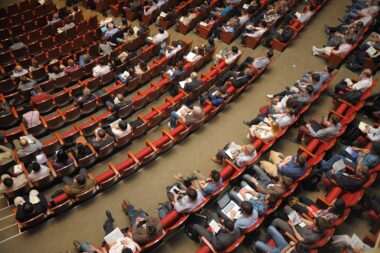
Biomechanics conferences play a pivotal role in fostering collaboration among researchers in the field. These events provide an excellent platform for scientists, clinicians, and engineers to share their latest findings and innovations. By gathering experts from various disciplines, biomechanics conferences not only enhance knowledge exchange but also inspire interdisciplinary partnerships. Attendees have the opportunity to engage in discussions about cutting-edge research, share ideas, and explore potential collaborations that could lead to groundbreaking advancements. Furthermore, keynote speakers often present their insights into emerging technologies and methodologies, motivating delegates to integrate new concepts into their work. Networking sessions offer a chance for informal interactions, where individuals can discuss their projects and identify synergies with peers. As a result, relationships built during these events often lead to joint research initiatives, funding opportunities, and larger projects. The overall atmosphere is one of enthusiasm and inquiry, fostering an environment where every participant feels encouraged to contribute. Additionally, many conferences include workshops that focus on practical applications of biomechanics research, equipping attendees with skills that they can apply in their own work.
In the realm of biomechanics, the importance of conferences is evident in their ability to bring together professionals from diverse backgrounds. This convergence creates a melting pot of ideas and methodologies, enhancing understanding of complex problems. Notably, events such as the American Society of Biomechanics Annual Meeting exemplify this trend. Participants can attend presentations, participate in panels, and marvel at innovative poster displays that encapsulate recent advancements. The diversity in content allows for a richer learning experience. Workshops and tutorial sessions focusing on the latest tools and technologies bridge knowledge gaps, contributing to better training for young researchers and professionals. Furthermore, these gatherings often result in the identification of critical gaps in the current research landscape, prompting collaborative efforts aimed at addressing these issues. By uniting experts from academia, industry, and clinical practice, biomechanics conferences facilitate a holistic approach to tackling challenges in the field. This interdisciplinary collaboration is essential for fostering innovation and developing solutions that can significantly impact patient care and mobility. Moreover, many events also feature awards that recognize exceptional contributions to the field, motivating researchers to strive for excellence.
The Role of Workshops and Networking
Workshops at biomechanics conferences are invaluable for attendees seeking to enhance their skills and knowledge. They often provide hands-on experiences and practical insights into specific areas like motion analysis, injury prevention, and rehabilitation techniques. Such specialized training is crucial for researchers aiming to stay abreast of developments in biomechanics technology and research methodologies. Networking opportunities abound, enabling participants to forge meaningful connections with peers and mentors. This often results in new collaborations that can lead to successful research projects in the future. Moreover, establishing these connections is essential for facilitating future discussions and partnerships. The friendships and professional relationships formed during conferences can have long-lasting impacts, often extending beyond the event itself. Active participation in these smaller, focused workshops allows for more in-depth discussions than larger presentations typically allow. This intimate setting encourages shared learning and the exchange of both theoretical insights and practical applications. Participants leave these workshops not only better informed but also more inspired to implement what they’ve learned within their own research teams and labs. Overall, workshops significantly contribute to forging bonds and fostering community growth within biomechanics.
Another critical aspect of biomechanics events is the inclusion of diverse topics that cater to various interests within the field. Participants can engage in discussions ranging from basic research to practical applications in sports, healthcare, and rehabilitation. These discussions are often enriched by the presence of international delegates who bring unique perspectives and experiences from their respective countries. This diverse participation creates an atmosphere of rich dialogue and knowledge exchange. Many conferences also tackle pressing issues like musculoskeletal injuries, mobility solutions for the aging population, and advancements in assistive technology. Special interest groups and panel discussions allow for tailored exploration of these significant topics, promoting meaningful debates and collaborations among experts. It’s essential for researchers to be aware of global trends and findings in order to enhance their own work. Furthermore, these events provide a unique opportunity for researchers to showcase their projects and stimulate public interest in biomechanics. This helps elevate the visibility of biomechanics research and its implications for everyday life, potentially attracting new funding sources and interest from outside the scientific community. Hence, continuous engagement at these conferences is paramount for the growth and development of the biomechanics field.
Promoting Inclusivity in Research Collaboration
Inclusivity is a cornerstone of effective collaboration within biomechanics research, and conferences actively promote this principle. By ensuring representation from different demographics, including gender, age, and geographic background, these events enrich the discussions and perspectives presented. Such inclusivity not only broadens the scope of research but also helps in addressing challenges that may disproportionately affect underrepresented groups. By encouraging a diverse array of voices, biomechanics conferences cultivate an environment where innovative ideas can flourish. Furthermore, collaborative research efforts that arise from these diverse interactions often lead to more comprehensive studies and findings. It is essential for the field to consider varied approaches and methodologies that reflect the multifaceted nature of human movement and physiology. Organizers are increasingly offering financial support such as scholarships and travel grants to encourage participation from traditionally underrepresented researchers and students. This commitment to inclusivity extends to workshops, sessions, and panel discussions where diverse viewpoints are shared. Promoting collaboration among a wide range of researchers not only enriches the overall agenda of biomechanics events but also enhances the quality and relevancy of the research being conducted.
In addition, many conferences now incorporate digital platforms to extend their reach and accessibility. Virtual sessions allow participants who may not be able to travel to still engage with the event’s content. This opens the door for a broader audience and enhances participation. By offering hybrid models, conferences can cater to various preferences and needs, ensuring that everyone interested can be included without geographical or financial barriers. Additionally, the integration of technology facilitates real-time feedback and interactions, allowing participants to pose questions and engage actively in discussions. This digital aspect also enables more extensive networking opportunities, as participants can connect through online platforms before and after the event. These advancements in conference structure ensure that knowledge is shared widely, promoting collaboration among researchers across the globe. Insights garnered from these wider audiences can lead to more impactful research outcomes and innovative solutions to longstanding issues in biomechanics. Overall, these digital initiatives not only enhance engagement but also signify a shift toward a more inclusive approach in the dissemination of biomechanics research and collaboration.
The Future of Biomechanics Conferences
The future of biomechanics conferences is poised for transformation as advancements in technology continue to shape how knowledge is shared. As the demand for innovation rises, organizing committees are exploring new ways to enhance attendee experiences. The integration of data analytics and personalized experiences, for example, can improve networking opportunities, ensuring that participants connect with the most relevant peers. Emerging trends may also include a greater focus on sustainability, with more conferences seeking eco-friendly venues and practices. Additionally, as the global landscape continues to evolve, there will be increased emphasis on global collaborations and outreach, promoting multidisciplinary research frameworks. The rise of artificial intelligence in research is likely to create novel topics for discussion and collaboration at these events, inviting experts to address the implications of technology in biomechanics. As conferences adapt to changing needs, they remain an important venue for shaping the future of the field. Consequently, researchers can expect deeper collaborations, continued innovation, and exciting advancements in the understanding of human movement. Overall, biomechanics conferences will remain essential not only for sharing knowledge but also for inspiring the next generation of researchers.
In summary, biomechanics conferences serve as a vital nexus for collaboration, education, and innovation. They provide an invaluable platform for researchers to come together and share insights across various specializations within the field. From workshops to keynote addresses, the events stimulate intellectual exchange and connections that can lead to groundbreaking research. Notably, inclusivity and a commitment to participant engagement remain at the forefront, ensuring diverse perspectives are represented. As the landscape of biomechanics continues to evolve, these conferences must also adapt to new challenges by incorporating technology and fostering collaborative partnerships that transcend geographic boundaries. Looking ahead, the future of biomechanics conferences seems bright, abounding with possibilities for enhancing understanding and improving outcomes in healthcare and sports. Researchers are encouraged to take full advantage of these events, as they represent opportunities not just for learning, but for laying the groundwork for future advancements. The collective efforts of researchers and professionals, inspired by shared experiences at conferences, have the potential to drive significant contributions to the field of biomechanics. Ultimately, it is through these collaborative endeavors that the true impact of biomechanics research will be realized, benefiting society at large.