
How to Combine Bodyweight Exercises with Running for Weight Loss
Incorporating bodyweight exercises into your running routine can significantly enhance your weight loss journey. Not only do these exercises boost your metabolism, but they also increase your strength, flexibility, and endurance. When you combine running with bodyweight workouts, you effectively target multiple muscle groups, promoting an overall fit physique. To start, aim for a schedule that blends both activities seamlessly. Initially, you might consider running for a set duration followed by a circuit of bodyweight exercises. This practice can help you burn calories and build muscle simultaneously, making your workouts more efficient.
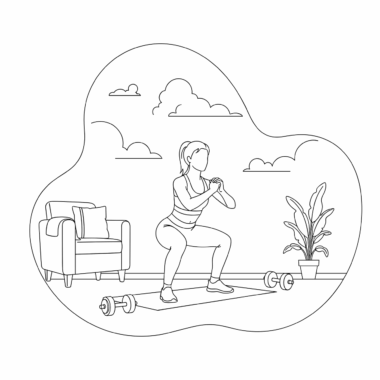
To maximize fat loss, consider the type of bodyweight exercises you choose. Movements like push-ups, squats, and burpees are excellent for targeting large muscle groups and can elevate your heart rate significantly. Moreover, incorporating plyometric exercises, such as jump squats or tuck jumps, increases the intensity of your workouts. This not only burns more calories but also improves your cardiovascular condition. One effective method is to perform a 20-minute run followed by three sets of five bodyweight exercises, resting only briefly in-between. This combination ensures you are not only running but also enhancing your strength to support your weight loss goals.
Planning Your Weekly Routine
Planning your workouts is essential for success. A well-structured weekly routine allows you to incorporate both running and bodyweight exercises effectively. For example, you might consider running on Monday, Wednesday, and Friday, allowing adequate recovery time. On the alternate days, schedule your bodyweight workouts—perhaps Tuesdays and Thursdays. Each session can be a different circuit focusing on upper and lower body strength, incorporating variations, and progressing as needed. It’s also beneficial to engage in active recovery during weekends, like light jogging or yoga, which aids in muscle recovery while keeping the body active.
Time management is crucial when merging runs and bodyweight exercises. Consider using interval training or circuit training techniques to create an effective yet time-efficient workout. For instance, after a 5-minute warm-up run, pause every 5-10 minutes to complete a short set of bodyweight exercises—this keeps your heart rate elevated while still moving. This strategy not only saves time but also keeps your workout engaging and diverse. Also, make sure to take note of your progress regularly, adjusting your workout intensity as needed to continually challenge your body and facilitate weight loss during this integrated training approach.
Nutritional Considerations
Alongside your workout plan, consider your nutrition carefully. Achieving weight loss goals is not solely dependent on exercise; diet plays an equally significant role. Make sure to maintain a balanced diet rich in proteins, healthy fats, and whole grains. These components provide the energy needed for intensive workouts and facilitate recovery afterward. Additionally, staying hydrated is vital for optimal performance during runs and bodyweight exercises. Consider consulting with a nutritionist to tailor a meal plan that complements your new workout routine, ensuring your body receives the essential nutrients for weight loss success.
Tracking your progress can also be beneficial in achieving your weight loss goals. Keep a workout journal to note your running distances, times, and bodyweight exercise repetitions. By doing so, you can assess what areas need improvement and when adjustments may be necessary. If your goal is to increase endurance, gradually add more running distance or intensity. Likewise, to enhance strength, increase repetitions or difficulty in your bodyweight circuits. This focus on continuous progress helps sustain motivation throughout your fitness journey and can significantly boost self-discipline, fostering better exercise and eating habits.
Group Workouts and Accountability
Engaging in group workouts can elevate the enjoyment and accountability in your running and bodyweight training. Join a local running group or find friends interested in pursuing similar fitness goals. Exercising with others can help you push each other, share tips, and maintain enthusiasm. Consider arranging bodyweight workout sessions after running, perhaps outdoors in a local park. This camaraderie can foster a fun atmosphere while keeping everyone motivated. Having a workout partner also helps in staying accountable, encouraging you to show up and stick to your exercise plan.
Lastly, prioritizing rest and recovery is a significant yet often overlooked aspect of a successful workout routine. After all the running and bodyweight exercising, your body needs time to heal and strengthen. Ensure you get adequate sleep and consider scheduling at least one full rest day in your week. Listen to your body; if fatigue builds up, scale back your routine until your energy levels are restored. Furthermore, incorporating flexibility training, such as yoga or stretching sessions, can augment recovery and prevent injury. This holistic approach ensures long-term health benefits alongside effective weight management.