
Hydrating in Cold Environments: Myths and Facts
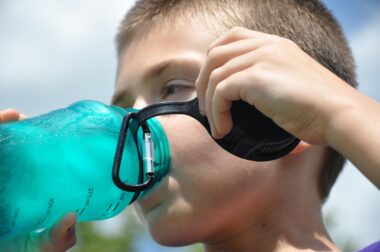
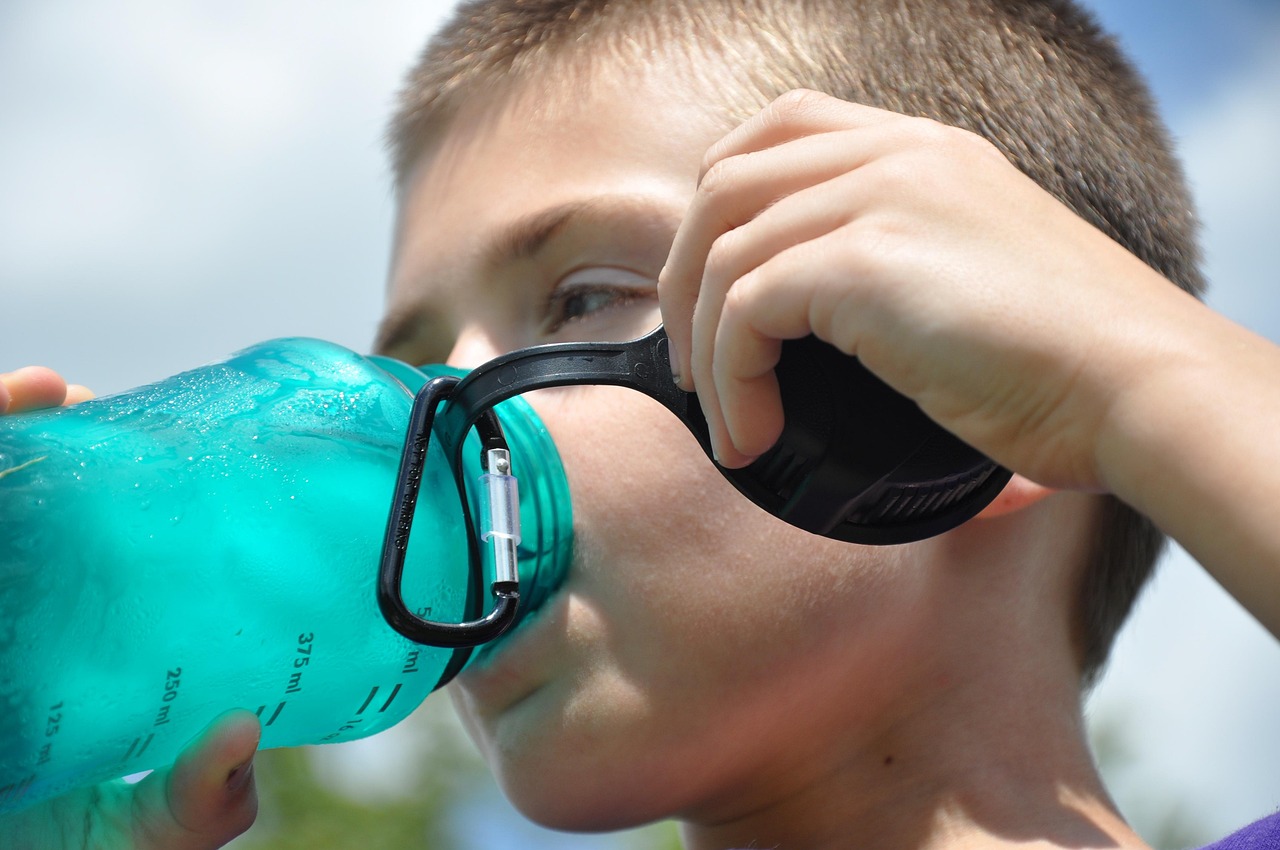
When participating in outdoor activities, it’s crucial to stay hydrated despite cold temperatures. Many athletes assume they do not need as much water when it’s cold, which is a common myth. In reality, hydration remains essential regardless of climate, as the body continues to lose fluids through respiration and sweat. When exercising in cold weather, several factors affect hydration needs, such as altitude and wind. Because the body utilizes energy differently in cold conditions, water consumption remains equally important. Not only does hydration assist in regulating body temperature, but it also helps maintain athletic performance. Therefore, athletes should remember that even if they do not feel thirsty, they still need to drink fluids. Ignoring thirst can lead to dehydration, affecting performance negatively. It’s advised to keep track of fluid intake with a consistent hydration schedule. Carrying a water bottle can remind one to drink periodically, even in cold settings. Formulating a hydration plan prior to any activity ensures optimal performance and health. Thus, understanding hydration’s importance in cold weather is vital for athletes’ safety and effectiveness in their sport.
Understanding Fluid Loss in Cold Conditions
During cold weather, physical exertion can lead to significant fluid loss, leading athletes to underestimate their hydration needs. In cold environments, moisture from breath is lost, causing a subtle but dangerous decrease in hydration levels. Even when temperatures dip, the risk of dehydration remains consequential for athletic performance and recovery. Cold air is generally dry, exacerbating fluid loss through respiration. Therefore, athletes must be proactive about rehydration, as visual cues for thirst may not manifest as effectively in colder temperatures. It’s important to understand that monitoring urine color can also help gauge hydration status. If urine is dark, this suggests dehydration, and immediate fluid intake is necessary. Other symptoms of dehydration include fatigue, dizziness, and decreased performance. To combat fluid loss, athletes should drink water or electrolyte-replenishing drinks at regular intervals. In these instances, warm sports drinks can be particularly beneficial and palatable. Ensuring adequate hydration before, during, and after activities can prevent performance setbacks. Therefore, recognizing the signs of dehydration in cold environments can empower athletes to make informed choices regarding fluid intake.
Another critical aspect of hydration is the choice of beverage for cold-weather activities. While water is often the go-to option, sometimes, it may be more beneficial to consume drinks containing electrolytes, especially during extended training sessions. Electrolytes help in retaining fluid balance within the body, which allows optimal physiological function. When engaging in strenuous activities, especially when sweating, replenishing electrolytes becomes vital. Several sports drinks on the market include favorable compositions of sodium, potassium, and magnesium, all of which aid in maintaining hydration levels. There’s a popular misconception that warm drinks are ineffective compared to cold beverages, especially in freezing temperatures. In reality, warm beverages can be more effective in ensuring comfort and maintaining core body temperature while staying hydrated. Selecting the right hydrating beverage enhances not only hydration but also performance. It is particularly wise to make personal hydration choices based on individual preferences and experiences. Mixing flavors or trying alternative beverages can also break the monotony and encourage regular consumption. Above all, athletes should prioritize their hydration strategy, regardless of environmental temperatures, to stay maximally efficient.
Overcoming Hydration Challenges
Staying consistent with hydration during extreme temperatures can present unique challenges for athletes. Cold weather often results in low energy levels and sometimes less motivation to consume fluids. While these external conditions may affect internal desires for liquids, it’s vital that athletes combat these challenges head-on. One effective method is to prepare hydration packs ahead of time. By having accessible supplies, athletes encourage themselves to maintain fluid intake even in chilly conditions. Additionally, focusing on incorporating hydrating foods in one’s diet can help bridge hydration gaps. Foods such as oranges, cucumbers, and even warm soups can contribute satisfactory hydration. Athletes can optimize their meals to include these hydration-rich options. Remembering to consume balanced meals keeps energy intact and facilitates easy hydration. Education and awareness about the importance of hydration in cold climates can affect athletes’ overall strategies. Setting reminders can also be a useful approach to ensure fluids are regularly consumed. Developing a comprehensive hydration approach ultimately becomes an essential part of every athlete’s training. Staying informed and proactive can significantly improve performance in harsh conditions. Above all, building sustainable habits ensures athletes remain in their best shape.
Moreover, understanding personal hydration needs is essential to an athlete’s performance, especially in cold environments. Each individual’s fluid balance can differ based on various factors, including body size, type of exercise, and overall health. It’s crucial for athletes to experiment and find the optimal hydration plan tailored to their unique requirements. Tracking hydration levels on colder days can also help identify trends or patterns in fluid loss. Sometimes athletes may require more or less than the 2 liters often recommended in warmer conditions. Considering these personal needs not only benefits hydration but also boosts overall energy levels. Consistently evaluating one’s hydration strategy empowers athletes to decide on fluids that work best for them, building confidence in their routine. As they discover what hydration methods yield the best results, they can progressively adapt strategies to suit different conditions. Engaging in regular discussions with coaches or hydration specialists can provide additional insight, leading to effective adjustments. Thus, approaching hydration as a personal journey can be vital for success and longevity in sports, fostering the right mindset for every athlete.
Myth-Busting Hydration Misconceptions
Addressing common hydration misconceptions can play a pivotal role in ensuring athletic success during cold-weather activities. One prevalent myth suggests that caffeine consumption leads to dehydration; however, moderate caffeine use may not significantly deplete hydration levels. While it’s true that caffeinated drinks can act as diuretics, the overall impact on hydration is negligible, provided they are consumed in moderation. Some athletes fear that drinking large bottles of water may result in bloating, leading to discomfort during physical exertion. In actual fact, gradual consumption of water or sports drinks over time often promotes better hydration without discomfort. Although some people prefer not to drink excessive fluid to avoid interruptions during events, it’s essential not to compromise hydration. The idea that thirst alone suffices to gauge hydration is misleading. Instead, athletes should rely on consistent monitoring and adjust intake as necessary. This ensures that hydration levels remain optimal throughout training or competitive events. By understanding these myths, athletes can make better decisions that enhance overall performance and well-being. Unraveling hydration myths is vital for unlocking an athlete’s full potential.
Ultimately, employing effective strategies for hydration in cold environments can significantly impact athletes’ performance and health. A proactive approach to hydration not only helps maintain energy but also boosts focus and stamina, which are critical components of success in any sport. Adopting a personal hydration plan that includes monitoring, testing, and adapting fluid intake is key. As winter sports continue to grow, staying informed about proper hydration practices becomes even more relevant. Additionally, athletes should hold themselves accountable for their hydration needs while actively seeking guidance from coaches or nutritionists to refine their strategies. Endorsing an open dialogue about hydration challenges can foster a supportive environment where performance flourishes. Emphasizing hydration as a daily priority enables athletes to develop overall resilience against adverse weather conditions. Engaging in community discussions or attending workshops on fitness may further enhance knowledge on hydration significance. The combination of informed choices, regular fluid intake, and an adaptable mindset leads the way for athletes to remain at their competitive best. By embracing these best practices, athletes finding joy in sports can thrive, regardless of environmental conditions.