
Hydration Tips for Maximizing Recovery After Triathlon Workouts
Recovering after triathlon workouts is essential for enhancing performance. One of the most crucial aspects of recovery is proper hydration. During a triathlon, your body loses significant fluids through sweat, especially in warm weather conditions. Dehydration can lead to decreased performance levels and lethargy, making recovery more challenging. Therefore, it’s vital to focus on adequate fluid intake post-exercise. Aim for about 16-24 ounces of a recovery drink within 30 minutes of finishing your workout. Including electrolytes is also important, as they help to replenish the minerals lost through sweat. Consider drinks containing sodium, potassium, and magnesium. Water alone isn’t sufficient; the right balance of fluids aids muscle recovery. Additionally, incorporating natural fluids like coconut water and smoothies can provide extra nutrients. Understand your body’s needs by assessing the duration and intensity of your workout. Hydration is not just about drinking water; it’s about restoring your body to its optimal state for the next session. Start cultivating these habits now to see enhancements in your training and overall performance.
Another key aspect of maximizing recovery is paying attention to the timing of your hydration. Consuming fluids immediately after exercise helps your body begin the repair process sooner. Furthermore, spreading your liquid intake across the day ensures your muscles stay refreshed and ready for further training or competition efforts. Post-workout, the type of beverage you consume can have a significant impact on recovery times. Aim for drinks rich in carbohydrates and protein, essential for muscle repair. Protein shakes, for example, offer a quick way to boost recovery. Incorporating fruits like bananas and oranges can provide natural sugars and hydration from their high water content. Additionally, keeping track of your fluid intake can provide insights into your hydration status. Keep a water bottle handy, and record your daily consumption; this will make it easier to monitor what works best for your body. Pairing this method with consistent hydration schedules will help embed hydration as a daily habit, leading to faster recovery rates after rigorous workouts.
Importance of Monitoring Hydration Levels
Monitoring your hydration levels is pivotal for triathlon recovery. Many athletes overlook this aspect, thinking that thirst indicates hydration need. However, relying solely on thirst can lead to either under or over-hydration, both of which pose risks. To better manage fluid intake, consider keeping a hydration log. Track how much fluid you consume daily and note feelings of fatigue or muscle soreness. This log will help identify patterns that can inform your hydration strategy. A common recommendation is to check urine color; ideally, it should be light yellow. If it’s darker, you may need to increase your intake. Additionally, the use of hydration tablets containing electrolytes during longer workouts can help maintain electrolyte balance. Small sips throughout your workout often work better than consuming large amounts in one go. Significant emphasis should also be placed on hydrating before workouts, as starting well-hydrated can improve performance and reduce recovery time. Embrace mindful hydration as a crucial element of your training regimen for greater longevity in triathlon activities.
Electrolytes play an essential role in the hydration recovery process. They support fluid balance, muscle contractions, and nerve function, all crucial for recovery after intense triathlon training. The most commonly recognized electrolytes include sodium, potassium, magnesium, and calcium. Each contributes differently to your body’s functioning, especially after heavy workouts. Upon finishing your workout, implement a strategy that includes electrolytes in your recovery routine. Sports drinks with these minerals can help restore what was lost through sweat quickly. Alternatively, consider natural sources like salt added to food or supplements specially formulated for athletes. Chocolate milk has gained popularity as a post-exercise thirst quencher, as it provides both carbohydrates and proteins while naturally containing electrolytes. Additionally, fruits and vegetables, such as spinach, bananas, and avocados, are great for replenishing your body’s mineral stores. This mixture of hydration solutions ensures a comprehensive approach to muscle recovery, promoting overall well-being. The electrolyte balance is critical in aiding quicker recovery and and enhancing your performance in the next triathlon workout.
Incorporating Hydration into Daily Life
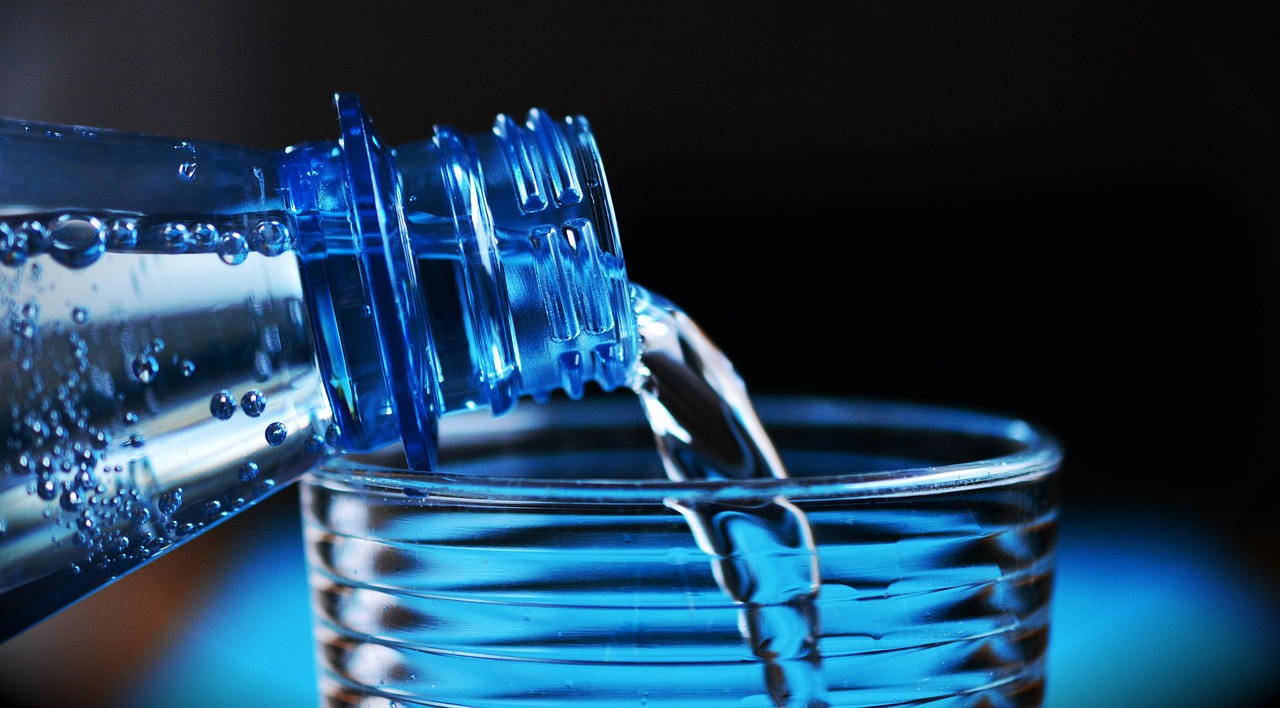
To truly maximize recovery, hydration needs to become a routine aspect of daily life. Instead of treating hydration as a separate task, integrating it into your regular meals can contribute significantly to improved performance. Starting your day with fluids sets the right stage. Include drinks like herbal tea or water with lemon. While training, incorporate hydration breaks into your schedule. A good tip is to set reminders to drink water every hour. Make it a habit to carry a reusable water bottle wherever you go. This ensures convenience and an easy reminder to hydrate regularly. Furthermore, exploring various hydration sources outside of plain water can enhance the experience. Flavored waters, herbal infusions, and smoothies can to keep hydration interesting. Challenges like introducing a hydration buddy can motivate you and others to drink the necessary amounts throughout the day. Ultimately, the goal is to view hydration as a constant rather than a chore, allowing you to develop a lasting habit that pays off at your next triathlon event.
As you adapt your hydration strategies, remember that individual needs differ widely based on age, climate, and activity level. Listening to your body is key in fine-tuning personal hydration strategies. Experimentation is part of the process, and keeping an eye on your body’s response will lead to optimal solutions. For example, some may benefit from increased sodium intake during hot weather, while others might need sophisticated electrolyte solutions for longer sessions. Gradually build your hydration plan by starting with small adjustments. Keeping types of recovery drinks on hand at all times allows quick decision-making post-exercise. Pay attention to how you feel in each post-workout phase; energy, recovery speed, and muscle soreness can be indicators of hydration success. Document these observations consistently for deeper insights. Additionally, consulting with nutritionists can provide further refined strategies tailored to your needs. Commit to evolving your hydration approach as you grow in your triathlon journey; small tweaks can lead to impressive improvements in overall health and performance.
Final Thoughts on Hydration and Recovery
Achieving optimal recovery from triathlon workouts is rooted in effective hydration strategies. By focusing on hydration, you establish a baseline for enhancing overall performance and recovery efficiency. Integrate hydration into your training regimen, making it multifaceted with options from water to electrolyte-rich beverages. Recognize the signs of dehydration and adjust accordingly, tailoring your intake based on activity intensity and environmental conditions. Additionally, post-exercise nutrition blends well with hydration efforts, using a combination of drinks and foods rich in electrolytes. Persistence in monitoring hydration will uncover what strategies yield the best results for your body. Embrace the scientific aspect of hydration, while listening to your instincts and feelings during training. Through this dual approach, let’s unlock the full potential of triathlon training and recovery. Engaging in this holistic approach to hydration will not only improve your performance but also increase your likelihood of avoiding injuries linked to dehydration. Overall, hydration isn’t just a post-workout activity; it is a vital and ongoing aspect of a successful athletic lifestyle, imperative for aspiring triathletes aiming for greatness.