
Meal Prep Ideas Tailored for Kettlebell Training Days
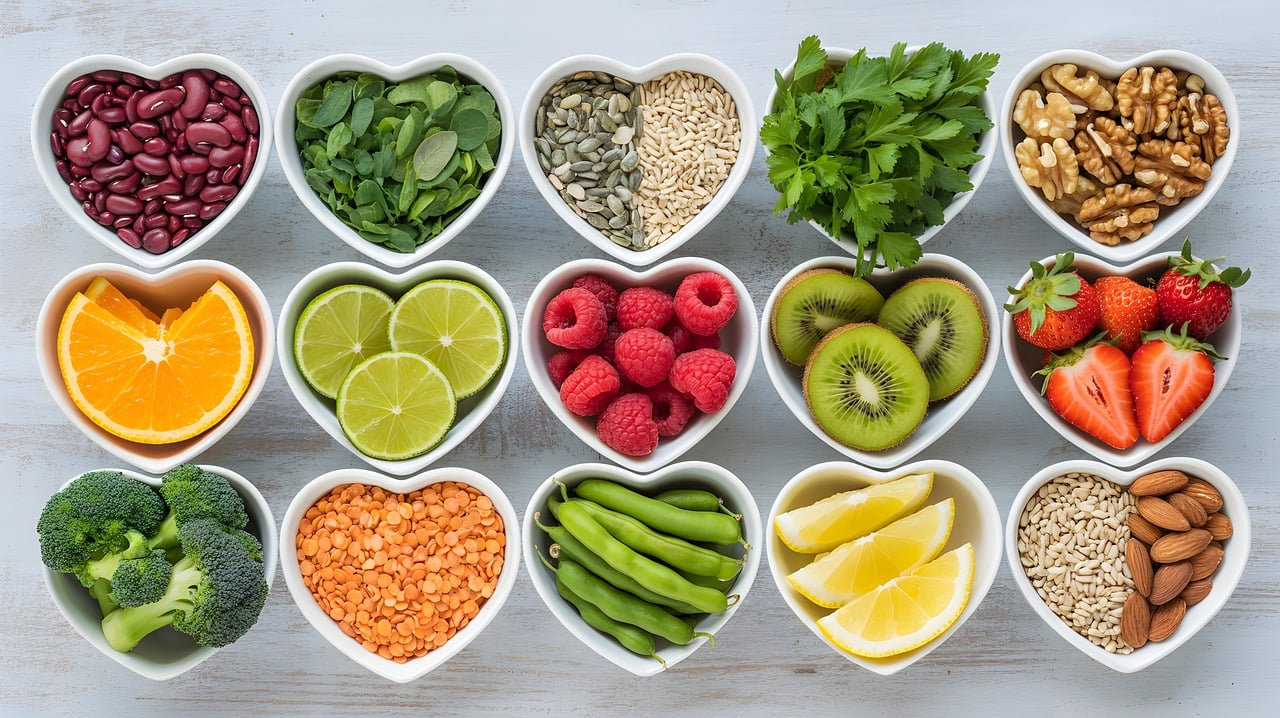
When engaging in kettlebell training, your nutrition plays a crucial role in optimizing performance and recovery. One essential component is meal prep, as it allows you to plan and prepare meals that suit your training routine. Consider high-protein options like grilled chicken, which provides the foundational amino acids necessary for muscle repair. Pair it with complex carbohydrates such as quinoa or sweet potatoes for energy. Additionally, don’t forget colorful vegetables like broccoli and peppers, which are rich in vitamins and minerals. Staying hydrated is equally important; incorporate healthy snacks like Greek yogurt or mixed nuts. To make meal prep efficient, dedicate a few hours each week to batch cooking proteins and carbohydrates. Store them in portioned containers for convenience. Including healthy fats from sources like avocado or olive oil enhances satiety. You may also want to experiment with different seasonings for variety. Don’t forget versatile recipes that use kettlebell training as an opportunity for balanced meals. Finally, focus on incorporating seasonal produce to keep meals fresh and exciting throughout the year. Planning gives you the power. Learn more.
Another excellent meal prep idea for kettlebell training days is focusing on achievable snacks. Healthy snacks can significantly support energy levels and stave off hunger between meals and workouts. Consider homemade energy balls made from oats, nut butter, and honey for a quick source of carbohydrates and protein. They are portable and easy to prepare, just mix the ingredients, roll them into balls, and refrigerate. For a savory option, prepare veggie sticks with hummus or tzatziki for a refreshing and nutritious treat. These snacks are not only easy to digest but provide essential nutrients. Additionally, consider overnight oats soaked in almond milk with chia seeds and topped with fruits for breakfast. This can be a game changer in kick-starting your day, giving you the energy required for your kettlebell training. Another great option is a protein smoothie blended with spinach, banana, and protein powder—perfect for post-workout recovery. Make sure to add some healthy fats, such as flaxseeds or chia seeds, to support overall health. These nutrient-rich snacks can help maintain energy, improve recovery times, and facilitate muscle growth. Such strategies keep your nutrition on point while training.
Meal prepping not only aids in efficient nutrition during kettlebell training but also encourages better eating habits. By preparing meals ahead of time, you are less likely to resort to unhealthy options when hungry. An essential aspect of this process is understanding portion sizes to ensure you’re fueling your body adequately for performance. Using containers with varying sizes can help manage portions well. Aim for half your plate to be composed of vegetables, a quarter protein, and the remaining quarter reserved for complex carbs. Prepping various recipes for the week can keep mealtime exciting. For instance, you can create a taco bar with grilled meats, fresh veggies, salsa, and lettuce wraps. It not only supports nutrient needs but adds an element of fun during mealtime. Consider adding meal prep themes for the week, such as Mediterranean or Asian cuisines, for diversity. It can help you discover new flavors and textures while meeting your dietary needs for kettlebell training. Furthermore, ensure your meals are balanced by including a variety of foods from all the major food groups. This diversity helps maintain energy levels for rigorous training sessions, allowing you to perform at your best.
Staying Consistent with Meal Prep
Consistency is fundamental when it comes to meal prepping, particularly for athletes engaged in kettlebell training. Developing a regular schedule for meal prep can help streamline the process and reduce the chances of skipping meals. Allocate a specific day each week—like Sunday—and designate a time slot dedicated solely to cooking and preparing meals. Having a routine in place can help eliminate the stress of last-minute cooking. Stick to a shopping list that aligns with your meal prep goals and ensure you buy fresh produce, proteins, and whole grains. Having essentials at home reduces the likelihood of unhealthy choices during busy days. Additionally, prewashing and cutting vegetables can save a lot of time during the week, enabling healthier choices with minimal effort. Batch cooking essential items like grains and proteins ensures versatility throughout the week. Store your prepped items in small, clearly labeled containers, making it easy to grab what you need when hungry. Keep your freezer stocked with extras so you never run short. Focus on maintaining this consistency over time to solidify positive habits that support your kettlebell training endeavors and overall wellness.
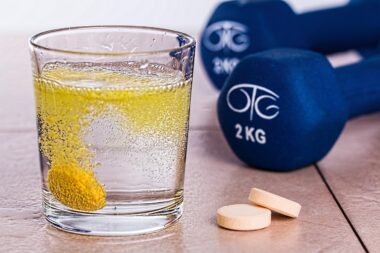
Hydration is another critical factor in meal prep for kettlebell training days. It is essential to drink enough water throughout the day, especially on training days. As you prepare meals, consider integrating hydration-focused foods into your meal plan. Foods with high water content, such as cucumbers, watermelon, and oranges, contribute to hydration levels. Keep a water bottle handy and set reminders to drink water regularly throughout the day. Also, there are electrolyte drinks available that can help maintain balance during intense kettlebell sessions. Preparing flavored water with fresh fruits or herbs can make hydration enjoyable. Consuming fluids before, during, and after workouts supports physical performance and aids recovery. Furthermore, don’t underestimate the importance of recovery meals post-workout. Aim to consume a meal containing protein and carbohydrates within 30 minutes after training to replenish energy stores effectively. This could include a turkey wrap with whole grain tortillas or a smoothie that contains protein powder, banana, and spinach. You’ll facilitate muscle recovery and boost energy with good hydration practices and post-workout nutrition. Preparing ahead ensures you’re adequately supported on your training days, ultimately leading to better performance outcomes.
Incorporating Variety into Meal Prep
It is essential to incorporate variety into your meal prep to keep things interesting and prevent burnout. Eating the same meals repeatedly can lead to dissatisfaction and a lack of motivation. Experimenting with different recipes, marinades, and spices can transform dishes and keep your palate excited. For instance, try making a stir-fry with lean beef or tofu, colorful vegetables, and brown rice prepared in different sauces, providing new flavors. Consider creating hearty soups or stews rich in protein and veggies, allowing for large batch meals. Another option is to explore grain bowls where you can combine various ingredients, such as quinoa, salmon, avocado, and a mix of greens, for nutritional balance. Keeping a well-stocked spice cabinet also encourages culinary creativity. When you feel inspired, it is easier to stick to your nutrition goals. Another strategy is to involve friends or family in meal prep to share different recipes and flavors. Cook in bulk, so you can swap meals with others, further expanding variety in your diets. This approach can enhance your nutrition and make meal prepping more enjoyable and collaborative, particularly while juggling kettlebell training.
Finally, keeping track of your meal prep and nutrition can significantly improve your kettlebell training experience. Utilizing apps or journals to document food intake may help monitor what you eat and ensure you’re meeting your specific nutritional goals. Mark your meals according to macronutrient content, including proteins, carbohydrates, and fats. This helps identify areas where you might need adjustments, whether increasing protein for muscle growth or carbohydrates for energy. Additionally, recording how certain meals affect your performance during kettlebell training can provide valuable insights into your body’s response to different foods. Set weekly goals for nutrient intake based on your training activities to stay focused. You may find it helpful to keep a dedicated section for your favorite meal prep recipes to easily revisit successful options. This strategy can save time and keep your meal prep process organic. Engaging with the community via forums or social media can also provide motivation and share experiences. Ultimately, establishing a tracking routine facilitates mindful eating and strengthens the connection between nutrition and training outcomes, promoting continuous progress in kettlebell training.
This was the final paragraph of the article reinforcing how essential it is to align your meal prep strategies with kettlebell training goals. By planning and preparing your meals ahead of time, you can ensure that you are always ready for a workout. You can experiment and discover a unique blend of flavors and nutrients that suit your training needs perfectly. The importance of hydration cannot be overstated, as staying well-hydrated helps improve performance and recovery times. Aim for consistent meal times and try different recipes to keep your diet interesting. Share your meal preparation strategies with friends or fellow trainees to enhance the community aspect of fitness. Ultimately, creating a structured meal prep plan tailored for kettlebell training can significantly improve your overall performance, making every training session more effective. Stay disciplined yet flexible, as it allows for adjustment depending on how your training progresses. A well-fed body leads to better workouts, progress, and satisfaction with your training routine. Remember that the foundation of successful kettlebell training often lies in effective nutritional strategies. Explore more.