
Overcoming Common Challenges in Meditation Practice
Meditation is a transformative practice that many individuals pursue. However, several challenges can arise during this journey. Common obstacles include restless thoughts, difficulty concentrating, and physical discomfort. These challenges can lead to frustration, but understanding them is the first step towards overcoming them. One way to address restless thoughts is to acknowledge them without judgment. Instead of fighting against your thoughts, observe them as they come and go. This practice of non-attachment helps in developing a calm mind. Moreover, creating a dedicated meditation space can improve your focus. Ideally, choose a location that is quiet, comfortable, and free from distractions. Over time, this space will become associated with relaxation and mindfulness. Additionally, consider setting realistic expectations for your practice. Many people believe they need to reach a certain state of calm immediately. However, meditation is a gradual process. Regular practice, even if only for a few minutes each day, can lead to significant improvement. Explore techniques like guided meditations or mindfulness apps for extra support. Each individual’s meditation journey is unique, so find what works best for you.
Distractions are another common challenge that meditators face. Whether it’s external noises or internal dialogues, distractions can impede progress. One effective strategy to manage distractions is to incorporate gentle reminders to return to your breath or mantra. Practicing mindfulness during daily activities is also beneficial. This enhances your ability to focus during formal meditation sessions. Slowly, you may find it easier to redirect your attention when distractions arise. Furthermore, it’s important to set a manageable duration for your meditation sessions. Beginners often feel overwhelmed by the thought of meditating for extended periods. Instead, start with short sessions of five to ten minutes and gradually increase the length as you become more comfortable. Consistency is key. Developing a routine around your practice helps reinforce the habit. Try meditating at the same time each day to establish consistency. Additionally, remember to embrace imperfection during your practice. There will be days when meditation feels challenging; that’s entirely normal. Instead of feeling discouraged, use those moments as opportunities to learn about yourself. Allow yourself to experience the full range of emotions that come up during meditation.
Addressing Physical Discomfort
Physical discomfort can also disrupt your meditation experience. It can be difficult to concentrate when you’re feeling any physical pain. To help alleviate this discomfort, it’s crucial to find a comfortable seating position. You might prefer sitting on a cushion, chair, or even lying down. Experimentation is key; sometimes, minor adjustments can yield better comfort levels. If sitting still causes discomfort, consider incorporating gentle movement. Practicing yoga or stretching beforehand can prepare your body for meditation. It also allows you to release any tension that may hinder relaxation. Additionally, focusing on your breath can distract from physical discomfort. Engaging with your breathing shifts attention away from your body. Awareness of breath helps ground your experience, creating a sense of calm. If discomfort persists, allow yourself to change your position during meditation without feeling guilty. Flexibility is essential in meditation practice; adaptability aids in maintaining a positive and nourishing experience. Alongside physical comfort measures, nurturing your emotional wellbeing is crucial for a fulfilling practice. Create a safe space to explore both physical and emotional sensations during your meditation sessions.
Emotional challenges can arise during meditation, including anxiety and frustration. Acknowledging these feelings without judgment can provide relief. Instead of attempting to suppress challenging emotions, allow yourself to feel them fully. This acceptance can transform negative experiences into opportunities for growth. Journaling before and after meditation can aid in processing these emotions. Writing helps clarify thoughts and feelings, making it easier to explore them during your practice. If anxiety is a recurring theme, exploring mindfulness techniques can be particularly helpful. Mindfulness encourages you to remain present, reducing the hold of anxious thoughts. During meditation, focus on breathing deeply and slowly. This practice can signal to your body that it’s safe to relax. Also, integrating loving-kindness meditation into your routine can foster compassion towards yourself and others. This technique promotes positive feelings and can soothe fears, serving as an antidote to anxiety. Remember that meditation is not a dissociation from the self; it’s an opportunity for deeper connection. Explore how your emotions manifest during practice. Over time, you can learn to embrace discomfort as a natural part of the human experience.
Developing Patience with Progress
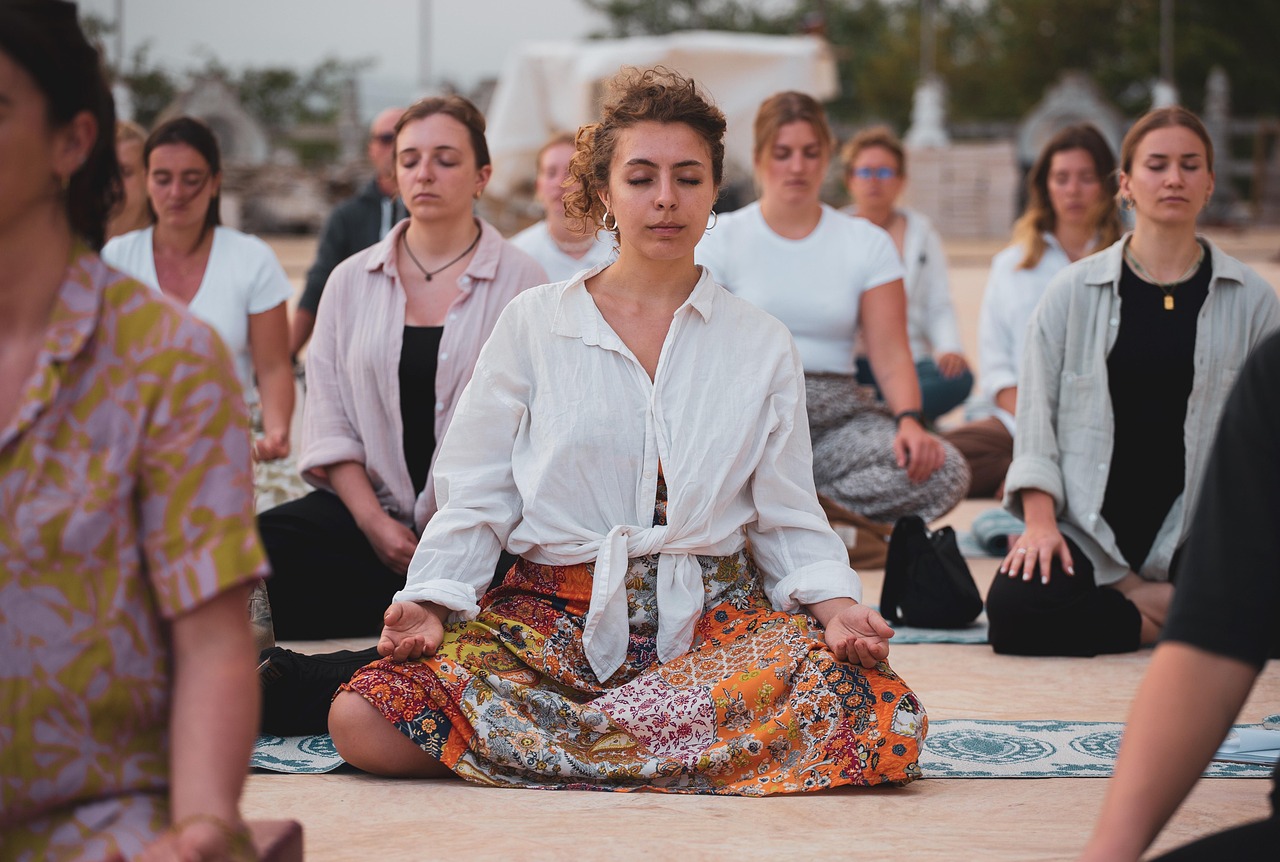
Progress in meditation often comes in waves, which can be frustrating. It’s easy to expect immediate results, particularly in a world that demands quick outcomes. However, developing patience is essential for a rewarding practice. Recognition that meditation is a lifelong journey allows for more realistic expectations. Instead of focusing solely on the end goal, appreciate the process. Celebrate small victories, such as moments of clarity or serenity during sessions. If you find your mind wandering frequently, don’t be disheartened. These experiences are part of your growth as a meditator. They reveal opportunities to strengthen your focus and attention. Joining a meditation group can also provide motivation and support. Sharing experiences with fellow practitioners can inspire growth and connection. Listening to others’ challenges can alleviate feelings of isolation during your practice. Also, consider exploring different styles of meditation to enhance engagement and motivation. Try mindfulness, loving-kindness, or transcendental meditation, each offering unique approaches to finding peace and presence. Ultimately, every meditator’s path is different, so honor your journey and embrace the unique lessons you’ve learned.
Finally, reflecting on your meditation experiences is key to continuous growth. Setting aside time after your sessions to review your thoughts and feelings can be enlightening. Consider keeping a meditation journal where you write down observations, highlights, and feelings. This practice allows you to track progress and recognize patterns over time. Additionally, explore mindfulness practices outside your formal meditation sessions. Incorporating mindfulness into daily activities enhances your connection to the present moment. Eating mindfully, taking mindful walks, or practicing breath awareness during routine tasks can deepen your understanding of mindfulness principles. These small changes can create a ripple effect, enhancing overall wellbeing. Furthermore, remain open to experimenting with different resources. Utilize meditation apps, guided meditations, or books. Each tool offers unique insights that can enrich your practice. Lastly, don’t hesitate to reach out for support if needed. Consulting a teacher or mentor can provide personalized guidance, helping you overcome specific challenges. Remember that progress is not linear. Allow yourself grace as you navigate your unique meditation journey, embracing every lesson learned along the way.
Conclusion: Embracing the Meditation Journey
In conclusion, overcoming challenges in meditation requires perseverance, awareness, and adaptability. Acknowledge that obstacles are a natural part of the journey toward mindfulness. Each challenge presents an opportunity for growth and deepened understanding of oneself. By being patient and consistent in your practice, you’ll gradually experience the transformation meditation can bring to your life. Continue exploring various techniques until you find what resonates with you. Incorporate your findings into your daily life and observe how it influences your overall wellbeing. Engage with the meditation community for support and shared experiences; you’re not alone in this journey. Remember to be gentle with yourself while navigating the complexities of practice. Celebrate your successes, no matter how small, and cherish every moment of stillness. Inner peace is cultivated over time, so nurture your meditation practice. Ultimately, the journey is as valuable as the destination. Allow your experiences to unfold naturally, free from expectations. Personal growth manifests in diverse ways; honor yours. Embrace the beauty of meditation, allowing it to be a guiding light through the ups and downs of life.
As you continue your meditation journey, remember that each moment counts and is part of the overall experience. Regular practice can lead to profound insights and mindfulness that enrich your life. So, take a deep breath, find your center, and commit to your practice. You’ve got this!