
The Best Core Strength Exercises for Senior Tennis Players
Maintaining core strength is particularly vital for senior tennis players. A strong core enhances stability, balance, and overall athletic performance. Furthermore, a robust core helps to prevent injuries, especially in the back and joints, which are prone to stress during tennis. To develop a solid core, incorporating specific exercises into a regular fitness routine is crucial. As seniors may experience limitations, it’s essential to choose exercises that are both effective and safe. Always consider starting at a comfortable level and gradually increasing intensity as strength improves. Additionally, it’s advisable to consult with a fitness expert or physical therapist when initiating any new exercise regime. Here are some key recommendations to help seniors enhance their core strength effectively: Planks, both standard and side variations; seated leg lifts; and gentle twisting exercises. By focusing on these, you can build strength in a functional manner. In the long run, improving core strength can not only boost performance on the court but also contribute to a better quality of life. With diligence and consistency, senior athletes can significantly enhance their core stability and enjoy their sport more.
Effective Core Exercises for Seniors
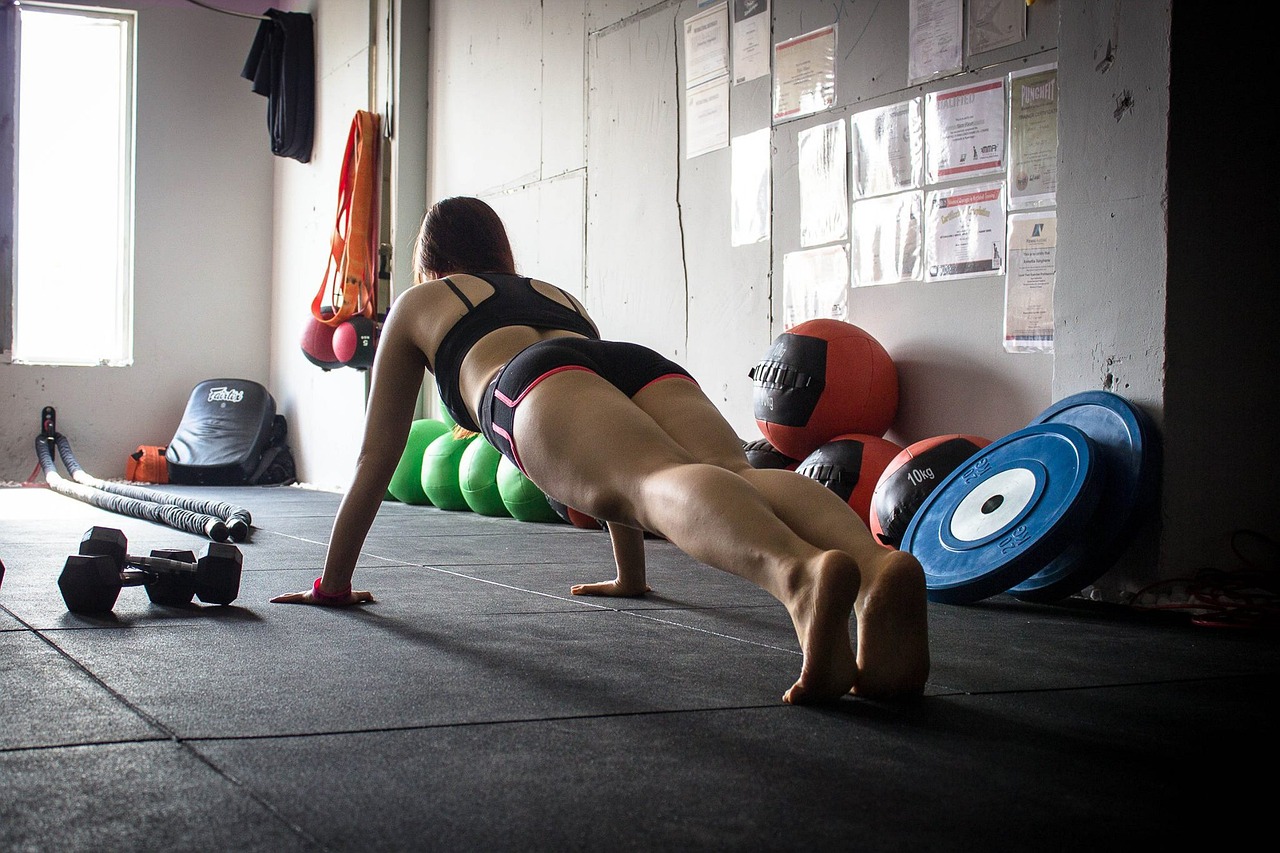
One of the most effective core exercises for senior tennis players is the plank. This exercise not only builds abdominal strength but also enhances shoulder, back, and leg stability. Seniors can start with modified planks, either on their knees or against a wall, to adapt to their fitness levels. Maintaining correct form is crucial, as this prevents injury and maximizes effectiveness. Additionally, aiming for shorter durations in the beginning—about 15 to 30 seconds—can be beneficial. Another valuable exercise is the seated leg lift, performed while sitting in a sturdy chair. It strengthens the lower abdominal muscles and can improve hip flexibility. To perform this exercise, simply lift one leg at a time, holding for a few seconds while engaging the core muscles. Additionally, incorporating the gentle bicycle crunch can provide an engaging way to work on the core. This can be done with minimal pressure on the back, ensuring that seniors can perform it safely. Finally, proper breathing techniques while exercising can enhance oxygen flow and endurance, making workouts more effective and enjoyable, ensuring longevity in the sport.
A vital aspect of enhancing core strength is integrating stability exercises into a routine. One great option for senior players is the standing side leg raise. This exercise helps in balancing while engaging the lateral core muscles. Begin by holding onto the back of a chair for support and gently lifting one leg to the side. This movement should be controlled, and it can be repeated several times before switching sides. The crab walk is another fun and beneficial exercise, enhancing core strength while promoting coordination. Seniors can perform the crab walk by positioning themselves on all fours and moving laterally. This unique movement engages various muscle groups while improving stability. Additionally, practicing balance exercises, such as standing on one foot, can significantly enhance overall core strength. Incorporating yoga or tai chi into a routine could benefit seniors by promoting flexibility and core stability. These holistic exercises also focus on mindful movement, encouraging overall physical awareness, which can be useful for tennis players. Engaging in these exercises two to three times a week can yield remarkable results in building core strength and refining on-court performance.
Moreover, seniors should consider adding resistance training as part of their core-strengthening regime. Using resistance bands can help engage abdominal muscles effectively while reducing impact stress on joints. Simple movements, like seated or standing rows using resistance bands, can significantly enhance the engagement of back and core muscles. Seniors may also find exercises that require rotational movements beneficial; these mimic the twisting actions seen in tennis. An example is the medicine ball rotation, which involves holding a light weight and rotating from side to side while seated. This exercise not only engages the core but also aids in building strength and power for stroke execution. It’s advisable to start with light weights and focus on form to ensure safe execution. Additionally, proper stretching routines should accompany core workouts to enhance flexibility and prevent injuries. Over time, seniors will experience improved agility and strength as a result of consistently practicing these exercises. Bearing in mind the importance of a well-balanced diet can also aid in muscle recovery, further supporting any fitness efforts before and after training sessions.
Tips for Safe Core Training
When engaging in core strength exercises, seniors should prioritize safety by listening to their bodies and respecting any limitations. Before starting any fitness routine, it’s crucial to warm up adequately. This prevents strains that might occur during workout sessions. Gentle movements like walking or light stretching can help prepare the body for more intensive work. Also, it’s important for seniors to remain hydrated. Dehydration can lead to fatigue and inhibit performance, making workouts feel harder than they should. Incorporating rest days and recovery strategies is essential for a sustainable fitness plan. Overexerting can lead to injuries, so understanding when to rest is as important as training. Regular physical check-ups can also ensure seniors stay in optimal health while exercising. Working with a trainer or instructor, especially initially, can provide guidance in maintaining proper form, driving effective results safely. By emphasizing correct posture and endurance, seniors can ensure confidence while performing core exercises. It’s also helpful to track progress over time, celebrating small victories, which can serve as motivation to continually improve and maintain regular activity levels.
In conclusion, strengthening the core is imperative for senior tennis players to improve their skills and overall performance on the court. By committing to core exercises tailored for their abilities, seniors can build stability, balance, and strength that translates to better play. Incorporating a variety of exercises, such as planks, leg lifts, and resistance routines, allows for a comprehensive approach to core training. Equally important is the incorporation of flexibility and stretching practices that enrich mobility while reducing the risk of injury. By integrating fitness routines into their lives, seniors also foster a strong sense of wellness, positively impacting their attitude toward tennis and other activities. As seniors engage in this commitment to core strength, the benefits will extend beyond tennis, enhancing their daily lives. Hence, a strong core leads to a stable and confident stance on the court and helps navigate daily routines with ease. Fostering connections with others in fitness classes and groups can also provide a sense of community and motivation, making fitness a fun and rewarding journey for senior athletes.
As a final thought, it’s essential to celebrate progress made on the journey towards improved core strength and overall fitness. Regularly reassessing personal goals can help maintain focus and encourage further development. Visualize the benefits gained from better core strength, including more extended playing time, fewer injuries, and enhanced enjoyment of tennis. By keeping a positive mindset, seniors can tackle challenges more effectively and embrace the journey as much as the results. Remember to communicate any struggles with trainers or peers to create a supportive environment. It’s never too late to start focusing on core fitness, and the rewards can extend well into everyday activities. Engaging in core exercises can lead to a more active and fulfilling life, both on and off the court. Foster enjoyment throughout the process, and build a solid foundation that promotes sustainable fitness. Also, exploring various activities can keep workouts fresh and exciting. Above all, with dedication and consistent effort, seniors can vastly improve and enjoy their time on the court, embracing all tennis has to offer.
Additionally, it’s worth exploring group fitness classes or community sports programs that focus on senior fitness. These platforms often provide structured environments where seniors can gather, share experiences, and motivate one another to reach fitness goals. Engaging in these classes not only reinforces core strength training but also fosters social interaction, which is vital for mental well-being. It’s essential to find programs that cater specifically to seniors, ensuring that exercises are adapted to accommodate varying levels of physical ability. Together, seniors can support each other’s fitness journeys, share achievements, and celebrate improvements while forming lasting friendships. Many local gyms offer senior-specific programs, and exploring options in the community can lead to discovering valuable resources. Using social media to connect with other seniors interested in fitness could also spark ideas for exercises, events, or workouts to try. As you embark on this fitness adventure, remember that commitment, patience, and courage are key elements to success. Building a strong core is a rewarding venture that will enrich your tennis experience and enhance daily life, allowing for spontaneous activities and embracing late-stage mobility with confidence.