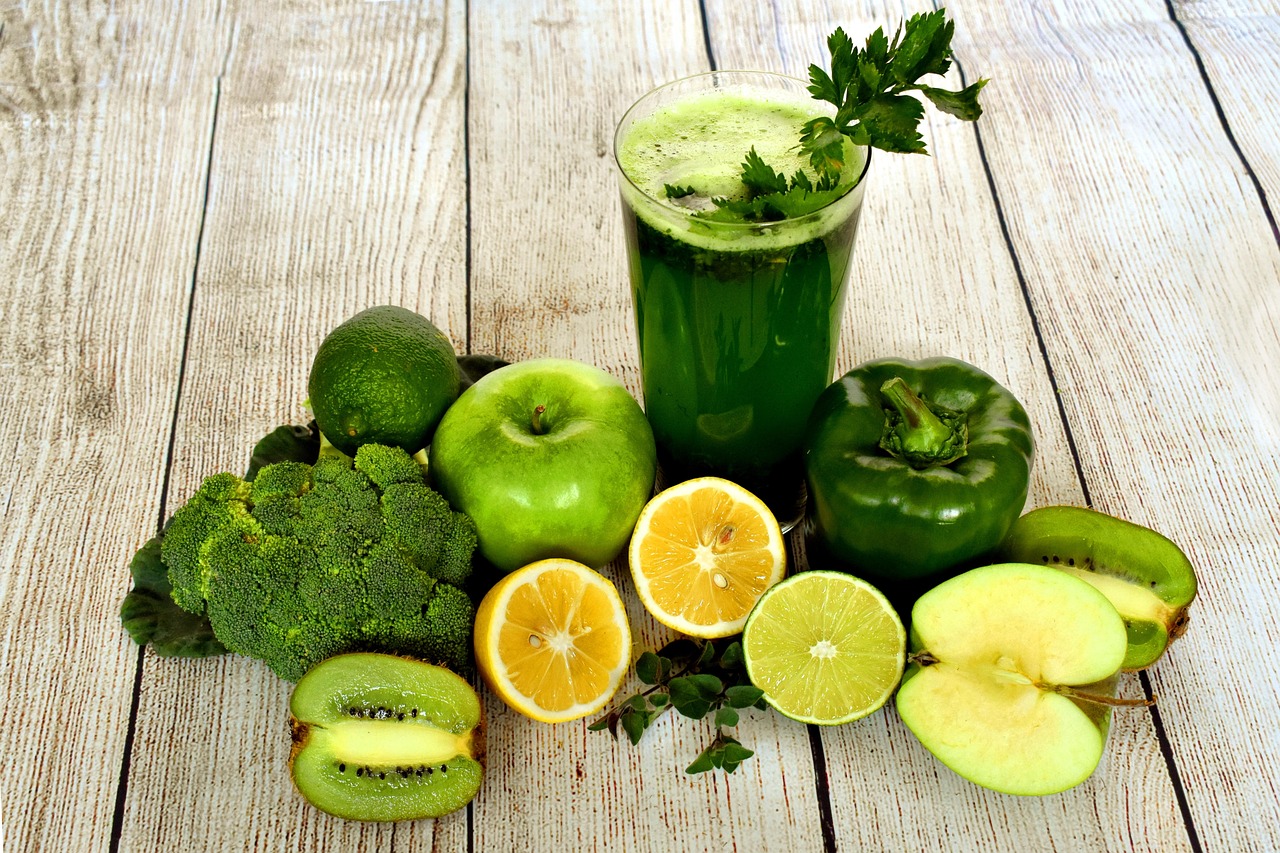

The Impact of Antioxidants on Sports Performance
Sports performance is an area of study that has gained increasing attention over the last decade. One of the critical aspects impacting athletes’ performance is nutrition, particularly the intake of antioxidants. Antioxidants are compounds that help combat oxidative stress caused by free radicals in the body. During intense physical activities, the production of these free radicals increases significantly, leading to fatigue and muscle damage. Accordingly, many athletes are beginning to incorporate antioxidant-rich foods and supplements into their dietary regimens. Common dietary sources include fruits, vegetables, nuts, and whole grains. Additionally, supplements such as Vitamin C, Vitamin E, and selenium have been shown to play significant roles in reducing oxidative stress. The timing of antioxidant intake can also make a difference; athletes may benefit from consumption before and after their workouts. Beyond immediate recovery, a consistent intake of antioxidants can boost overall athletic performance by enhancing recovery times and reducing the incidence of injuries. Therefore, understanding the vast array of benefits that antioxidants offer can give athletes a performance edge when properly utilized.
A myriad of studies supports the idea that antioxidants can enhance athletic performance. Research demonstrates that antioxidants can help to mitigate muscle soreness and inflammation post-exercise. Specifically, antioxidants like glutathione and carotenoids have been shown to reduce muscle damage during prolonged exercise sessions. Furthermore, an optimized intake of antioxidants can lead to improved endurance by decreasing the oxidative burden on muscles while utilizing oxygen effectively. An increase in blood flow and oxygen delivery to working muscles can also improve overall performance. It’s essential to note that while antioxidants are beneficial, excessive intake may also lead to adverse effects. Athletes should focus on getting antioxidants primarily from whole foods rather than supplements when possible. Supplements can be beneficial in specific cases, but moderation is critical to maintaining a balanced diet. A registered dietitian specializing in sports nutrition can help athletes determine their specific needs and the appropriate types. Incorporating a wide variety of antioxidant-rich foods into daily meals not only supports performance but also contributes to overall health in the long run.
The Role of Dietary Antioxidants
Dietary antioxidants play a crucial role in protecting the body from the damaging effects of oxidative stress during physical activities. These compounds help to neutralize free radicals generated during strenuous exercise, which can lead to cellular damage and impaired recovery. Common antioxidant-rich foods include berries, citrus fruits, dark leafy greens, nuts, and seeds. Consuming these foods regularly can provide athletes with essential nutrients needed for optimal performance. Individual nutrition requirements can vary significantly among athletes based on factors such as sport type, duration, and intensity of training sessions. Tailoring dietary intake to meet these specific needs enhances the effectiveness of antioxidants. Moreover, combining various antioxidant sources can maximize their health benefits. For example, pairing vitamin C-rich foods with vitamin E sources facilitates synergistic effects, improving the body’s ability to combat oxidative stress. Athletes are often encouraged to experiment with different food combinations to find those that work best for them. Staying adequately hydrated while consuming these foods is equally important. Hydration supports overall recovery processes and amplifies the effectiveness of antioxidant properties within the body.
Moreover, the supplementation of specific antioxidants may be advantageous for athletes preparing for major competitions. Research suggests that Vitamin C and E may fend off muscle damage during high stress, leading to improved recovery time and readiness for subsequent workouts. Timing supplementation correctly can also amplify positive effects. Athletes should consider taking antioxidants right after workouts to reduce muscle soreness and inflammation. Regular supplementation can serve as a valuable addition to a comprehensive training plan, particularly when high-intensity exercise depletes these critical nutrients. However, not all athletes respond the same way to these supplements; genetics and individual health conditions can impact effectiveness. Elite athletes might require more specialized antioxidant strategies tailored to their unique metabolic demands. It is recommended to consult with a healthcare professional or sports nutritionist to design an individualized plan, focusing on both diet and supplementation. Alongside proper nutrition, maintaining a balanced exercise regime and adequate recovery protocols will contribute to the effective use of antioxidants. The integration of these aspects creates a holistic approach to sports performance optimization.
The Importance of Balance
While antioxidants are essential, it’s crucial for athletes to maintain balance in their dietary choices. Over-relying on supplements can sometimes diminish the advantages antioxidants offer. A well-rounded diet that emphasizes variety is key to ensuring sufficient nutrient intake. Athletes may experience better performance results by blending antioxidant-rich foods with carbohydrates, proteins, and healthy fats. Each nutrient plays its unique role in performance optimization. For instance, protein intake is necessary for muscle recovery, while complex carbohydrates provide energy for workouts. Healthy fats help in nutrient absorption and hormone regulation. Balancing all these nutrients ensures that athletes receive their needed antioxidants without excessive supplementation. Adopting a food-first approach encourages the consumption of natural nutrients found in whole foods. Additionally, foods high in antioxidants can be strategically selected to enhance the nutritional value of meals, boosting overall sports performance. Athletes also need to listen to their bodies and adjust their diets according to their response to various foods. This approach empowers athletes not only to enhance performance but also to foster a healthier relationship with nutrition.
Besides meal planning, awareness of specific antioxidant properties allows athletes to make informed food choices. Different antioxidants serve varying functions, making it important to combine these in their diets for maximum benefits. For example, flavonoids found in green tea and cocoa provide not only antioxidant benefits but also boost mood and cognitive functions. Similarly, the carotenoids in carrots and sweet potatoes can contribute to immune health. Paying special attention to the significance of micronutrients ensures that athletes are not just consuming antioxidants but also supporting their overall well-being. Over time, the inclusion of these various nutrients can enhance training adaptations and overall psychosocial functionalities. Regularly assessing nutritional intake and adjusting as training demands fluctuate can lead to optimized performance outcomes. Engaging in diverse dietary practices, including meal prep, can help in ensuring the right proportions and variety in nutrient consumption. Lastly, athletes should keep communication open with their coaches and nutritionists for any necessary guidance and support tailored to their specific needs, promoting sustainable eating habits.
Conclusion
In conclusion, antioxidants play a vital role in enhancing sports performance by mitigating oxidative stress and muscle damage during rigorous physical activity. The integration of antioxidant-rich foods and thoughtful supplementation can provide athletes with a competitive edge. Essential nutrients found in a variety of foods not only improve performance but also benefit overall health and recovery. Balancing these nutritional elements while being cognizant of individual needs will better support athletes in reaching their potential. As research continues to evolve, it is essential for athletes to stay informed about the best practices for including antioxidants in their diets. Consulting with experts provides valuable insights into personalizing nutrition plans. Additionally, maintaining awareness of how the body responds to dietary changes is crucial for ongoing performance optimization. Antioxidant strategies should be viewed as part of a broader nutrition and training regimen that includes hydration and rest. By fostering good nutrition and recovery habits, athletes can harness the full benefits of antioxidants in supporting their sports performance, paving the way for future successes.
Overall, the connection between antioxidants and sports performance highlights the importance of nutrition. As athletes strive for peak performance, including a variety of antioxidants in their diet can enrich their experiences and outcomes in sports. Understanding the biological mechanisms behind oxidative stress and how these nutrients work can lessen the chances of injury and prolong athletic longevity. Athletes should embrace dietary diversity while considering personal preferences and tolerances. Incorporating colorful fruits and vegetables, nuts, and seeds into daily meals can create an engaging and nutritious approach to achieving wellness goals. By prioritizing nutrition and aligning it with training, athletes can enhance their competitive performance and well-being. Moving forward, the case for antioxidants continues to grow stronger with emerging studies reinforcing their value. Both amateur and professional athletes can apply these insights to achieve optimal performance. Thus, as the field of sports nutrition evolves, the discourse around antioxidants and their benefits will likely continue to expand, paving the way for exciting advancements in how athletes optimize their training and recover effectively.