
The Impact of Outdoor Calisthenics Parks on Urban Communities
Outdoor calisthenics parks have rapidly gained popularity in urban settings, revolutionizing the way communities engage in physical activity. These parks create an accessible space for fitness enthusiasts and inspire individuals who may not typically participate in structured workouts. By providing equipment for bodyweight exercises, these parks cater to various fitness levels, making them inclusive for everyone. Furthermore, the availability of free resources promotes community wellness. Outdoor calisthenics parks eliminate financial barriers, allowing all residents the opportunity to improve their health without the need for expensive gym memberships. Equipped with various structures for pull-ups, parallel bars, and more, these parks encourage social interaction among users. When people work out together, they share experiences, build friendships, and foster a sense of belonging in their localities. Additionally, outdoor parks integrate well with natural environments, offering scenic views that enhance the workout experience. Moreover, as communities find common ground in these shared spaces, they help build stronger connections among neighbors. Hence, we see the emergence of vibrant local culture surrounding outdoor fitness, with people finding motivation and support from one another.
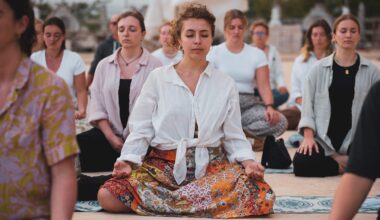
As cities become increasingly crowded, providing accessible health solutions like calisthenics parks becomes essential. Local governments recognize the significance of such spaces in promoting a healthier lifestyle among residents. Not only do outdoor calisthenics parks facilitate physical fitness, but they often serve multiple purposes, attracting diverse groups for various activities. These parks incorporate spaces for yoga, stretching, and group classes. The versatility of these parks fosters a welcoming atmosphere for children, families, and all demographics. Plus, outdoor calisthenics parks contribute to the overall aesthetic and livability of the community. Green spaces interspersed with workout zones provide room for relaxation as well, showcasing nature’s positive impact on mental health. Increased foot traffic also benefits local businesses since patrons often grab a bite or beverage after exercising. Consequently, outdoor fitness parks can stimulate local economies while improving residents’ well-being. City planners increasingly focus on multi-functional spaces accommodating various recreational needs, responding to the demand for holistic community development. Alongside health benefits, outdoor calisthenics parks encourage civic pride and responsibility among users who respect and care for their public spaces.
Community Engagement and Collaboration
When outdoor calisthenics parks emerge in urban neighborhoods, they often lead to increased community engagement and collaboration. As park goers often gather, it creates a unique opportunity for local organizations to host events aimed at encouraging physical activity. Collaborations with fitness trainers or community leaders, for instance, may establish free workshops or fitness classes in the parks, attracting more participants. These engaging participatory programs inspire individuals to commit to their fitness journeys while fostering a sense of partnership among residents. Collaboration does not end with fitness organizations; local businesses can also engage by sponsoring events or promoting health-related initiatives. For example, food stalls offering healthy snacks might be set up during fitness events, attracting potential customers while promoting local entrepreneurship. Additionally, partnerships can yield improvements or upkeep for the parks themselves, enhancing user experience and safety. Engaging the community ensures collective ownership of the parks, leading to a commitment toward maintenance. When residents feel connected, they’re more inclined to care for their shared outdoor spaces, which aligns with the ultimate objective of encouraging healthier lifestyles.
Another crucial aspect of outdoor calisthenics parks is the promotion of mental health and well-being. Physical activity has long been associated with substantial benefits for mental well-being, helping alleviate stress and anxiety. Access to open air and nature provides a therapeutic effect, enhancing the workout experience for users. Regular exercise outdoors refreshes the mind and instills a sense of calm, which is especially important in urban environments where stress levels may be heightened. The social aspect of working out in these parks further contributes to improved mental health. Exercising alongside others provides an instant support network, helping individuals feel less isolated on their fitness journeys. Research shows that social interactions during activities can significantly improve mental resilience, aiding in the fight against depression. Consequently, outdoor calisthenics parks become important spaces for emotional wellness as they not only encourage physical fitness but also support holistic health. By prioritizing mental health through fitness, these parks are essential for fostering healthier mindsets within urban communities. Ultimately, well-being isn’t solely defined by physical prowess but by mental wellness too.
The Role of Calisthenics in Youth Development
Outdoor calisthenics parks play a vital role in youth development by providing free spaces for children and teenagers to exercise and socialize. Engaging in physical activities like calisthenics offers a fun and effective way to enhance strength, flexibility, and coordination. As young people develop these skills, they also build self-esteem and confidence, fostering a sense of achievement. Breeding future generations fitness-oriented, parks can indirectly influence healthier lifestyles long-term. Moreover, many outdoor calisthenics parks are designed with structures appropriate for younger users. Equipment for children promotes active play while allowing them to mimic adult workouts, inspiring a love for fitness at an early age. These parks also offer opportunities for social interaction among youth, combatting issues related to screen time. With friends and peers, they explore unique exercises and share workout techniques that could lead to the formation of training groups. Such interactions allow individuals to support each other while nurturing leadership skills and collaboration. By incorporating physical activity into their routine, youngsters create healthier habits that can combat the adolescent obesity epidemic and its associated health risks.
The accessibility and affordability of outdoor calisthenics parks empower communities in implementing sustainable health initiatives. As urban areas face a rise in sedentary lifestyles, free outdoor fitness resources become increasingly vital. Calisthenics parks provide necessary infrastructure that addresses public health crises attributed to inactivity. They essentially serve as grassroots solutions for encouraging physical activity among diverse populations. Community leaders can advocate for public health by highlighting the importance of calisthenics parks to local governments. By conducting surveys, they can assess the local community’s interest in fitness initiatives and potential park locations. Also, showcasing the social benefits of physical activity can garner support. Ultimately, this encourages investment in sustainable park projects, paving the way for better community health and environmental awareness. Additionally, the creation and maintenance of these parks can open doors for further community engagement initiatives. For example, local volunteers might organize clean-up or improvement days, instilling a sense of responsibility and stewardship for public spaces. As communities band together to bring their vision for outdoor fitness to life, they reinforce the value of collaboration and ownership in nurturing healthier lifestyles for themselves.
Long-term Benefits and Future Directions
Outdoor calisthenics parks are more than just a fitness trend—they represent a transformative movement in urban health. As communities continue to prioritize health and fitness, these parks can lead to sustainable behavioral changes across populations, fostering long-term well-being. By consistently engaging users through organized programs and local research, communities can adapt and modify park features based on feedback. Such adaptability ensures that outdoor spaces remain vital and responsive to emerging needs. Future developments may feature more advanced technology, such as fitness trackers integrated into workout stations to monitor users’ progress, further motivating participants. As cities consider expansion, incorporating sustainable practices in building and maintaining these outdoor parks proves essential. Earth-friendly materials, solar-powered lights, and proper landscaping all enhance the community’s connection to nature while prioritizing environmental conservation. Furthermore, successful models of outdoor calisthenics parks can inspire replication in different neighborhoods, creating a network of fitness facilities across urban landscapes. To conclude, as the movement expands, awareness of healthy practices gained in outdoor calisthenics parks may flourish, resulting in communities invested in their health and well-being while forging long-lasting connections to their local amenities.
Outdoor calisthenics parks are expanding rapidly across urban landscapes, transforming communities by providing accessible fitness options. Serving as a unique intersection of health and social interaction, these parks encourage residents to engage in physical activity. They make fitness available to individuals across various demographics, ensuring that everyone can participate in a healthier lifestyle. Not constrained by financial means or gym memberships, outdoor parks create an inviting space. Additionally, calisthenics parks often curate a wide range of workout equipment, targeting different fitness levels while fostering communal support. The atmosphere they cultivate empowers individuals to work out while sharing experiences with peers, helping to strengthen community bonds. As participants encourage each other, outdoor calisthenics parks become hubs of social connectivity. This healthy interaction not only nudges individuals to pursue fitness goals but also elevates neighborhood spirit. Likewise, these parks are important for family engagement, allowing them to exercise together, optimizing the potential for shared quality time. Outdoor parks present opportunities for activities beyond exercise, organizing events, classes, and workshops. Through creative use, they actively engage residents, reinforcing fitness as an enjoyable component of the communal lifestyle. Indeed, outdoor calisthenics parks are reshaping urban existence.