
The Role of Meditation in Systema Spirit Martial Arts
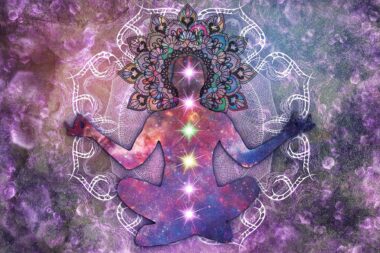
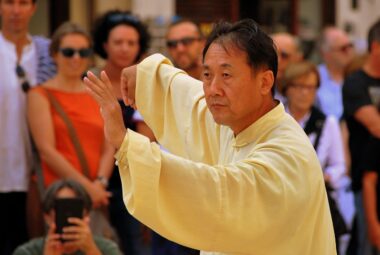
Meditation is an integral component in the practice of Systema Spirit martial arts. It enhances awareness, focus, and emotional balance, establishing a profound connection between mind and body. This holistic approach fosters not only physical capabilities but also mental clarity and resilience. By incorporating meditation, practitioners can develop a deeper understanding of their movements and intentions, grounding themselves in the present moment. This awareness is pivotal for an effective martial practice, enabling individuals to react more intuitively during training or conflict situations. Meditation complements physical training sessions, acting as a tool for recovery and reflection. It reduces stress and creates a calming effect, which is essential for maintaining a balanced mindset. Practicing Systema Spirit allows martial artists to tap into their inner resources, unlocking potential they may not have realized existed. Regular meditation can also aid in fostering discipline, as it requires commitment and consistency, qualities that are equally valuable in martial arts. Ultimately, the integration of meditation within the Systema Spirit framework cultivates not only more skilled practitioners but individuals who are mentally, emotionally, and physically harmonized.
The benefits of meditation extend beyond the mat, influencing practitioners’ daily lives in significant ways. Enhanced focus and emotional regulation allow individuals to navigate challenges more effectively, making sound decisions under pressure. This increased mindfulness spills into various aspects of life, providing a sense of calm that positively impacts personal relationships and work environments. In Systema Spirit, the practice of meditation promotes a warrior mindset, which emphasizes awareness and adaptability in changing situations. Through regular mental training, students learn to apply the principles of calmness, strategic thinking, and emotional control both in and out of the dojo. Furthermore, meditation encourages self-reflection, enabling practitioners to assess their progress and motivations. Practitioners can not only improve their technique but also recognize the emotional triggers and barriers they face. Additionally, shared meditation sessions foster community among students, enhancing camaraderie and mutual support. This collective experience builds a strong foundation for personal growth, as students learn from one another’s journeys. Through these experiences, Systema Spirit cultivates a diverse and supportive community, where individuals can thrive together while deepening their understanding of martial arts and themselves.
Mind-Body Connection in Systema Spirit
The mind-body connection is crucial in Systema Spirit, where awareness is vital for effective martial arts practice. Meditation cultivates this connection, enhancing practitioners’ abilities to respond instinctively in dynamic environments. As students deepen their meditation practice, they become attuned to their physical states, recognizing the cues their bodies provide. This heightened sensitivity allows them to adapt their movements accordingly, leading to more fluid and effective techniques. Furthermore, the integration of breathwork during meditation enhances physical performance, providing oxygenation and energy. Furthermore, as practitioners learn to control their breath, they can maintain composure even in high-stress situations. This integral skill also aids in reducing physical tension, ensuring that movements remain fluid rather than rigid. In Systema Spirit, relaxed and efficient movements contribute to overall effectiveness, making coordination and balance pivotal. Thus, meditation practices not only help in developing mental fortitude but physically enable practitioners to perform at their best. Additionally, this connection promotes a sense of unity between mind and body, emphasizing that both aspects are vital for comprehensive martial arts mastery. The benefits garnered through this meditative approach are observable on the mats and throughout life.
Meditation plays a vital role in injury recovery, especially in the realm of martial arts. Practitioners of Systema Spirit often face physical demands that can lead to strains or injuries. Incorporating meditation into the recovery process can significantly accelerate healing. It encourages a mental state conducive to relaxation, promoting faster recovery times by reducing stress and muscle tension. The right mindset can impact physical healing, enabling individuals to better manage pain and discomfort effectively. Regular meditation can also lead to improved body awareness, helping practitioners identify potential risks and avoid future injuries. This heightened awareness may result from the introspective nature of meditation, allowing individuals to listen to their bodies more keenly. Moreover, the visualization techniques often used in meditation can aid in mental rehearsals of movements, assisting practitioners in maintaining a sense of connection to their training despite physical limitations. By envisioning movements and techniques during meditation, they can preserve their skills and cognitive understanding of martial arts during recovery. Hence, by integrating meditation into injury management strategies, Systema Spirit practitioners can enhance their overall physical condition and prepare themselves for a smoother return to training.
Developing Resilience through Meditation
Resilience is a crucial trait for martial artists, enabling them to overcome obstacles and grow stronger from adversity. Meditation fosters resilience, helping Systema Spirit practitioners face challenges with a composed mindset. When confronted with difficult training sessions or personal setbacks, a well-cultivated meditation practice provides tools to remain grounded. This resilience extends beyond physical practices, influencing mental fortitude and emotional stability. Through meditation, students learn to detach from negative emotions, reframing struggles as opportunities for growth. Such insights empower individuals to shift their perspectives on failure and success, nurturing a healthier attitude toward their practice. Additionally, mindfulness developed through meditation cultivates patience, allowing practitioners to face frustrations without becoming overwhelmed. It encourages a steady focus on progress rather than instant results, vital for maintaining long-term engagement with martial arts. As students become more resilient, they develop a deeper awareness of their capabilities, giving them the confidence to push limits and explore new techniques. Ultimately, cultivating resilience through meditation equips practitioners with essential life skills, fostering a mindset that not only thrives in martial arts but across various life challenges.
Furthermore, meditation is essential to developing leadership qualities within Systema Spirit martial arts. As students progress, they often assume roles of mentorship, guiding newer practitioners. Those who practice meditation regularly demonstrate heightened emotional intelligence, which is vital for effective leadership. This increased empathy enables mentors to connect with students, understanding their challenges and providing appropriate support. Strong leaders also inspire confidence, which can be cultivated through a solid meditation practice. Leaders who demonstrate self-awareness and composure are more likely to earn the respect and trust of their peers. Through mindfulness, practitioners cultivate the ability to step back, assess situations from multiple perspectives, and respond thoughtfully. This nuanced understanding of interpersonal dynamics is invaluable both during training sessions and in broader community engagements. Moreover, a leader’s calm disposition, cultivated through meditation, encourages others to adopt similar traits, contributing to a positive learning environment. This ripple effect can significantly impact the overall culture within Systema Spirit, fostering a supportive community dedicated to mutual growth. Thus, leadership qualities enhanced through meditation enrich the learning experience for all practitioners involved.
Conclusion: Embracing Meditation in Martial Arts
In summary, the role of meditation in Systema Spirit martial arts cannot be overstated. It forms a vital aspect of training that enhances not only physical performance but also mental and emotional well-being. By building awareness and resilience, practitioners can significantly improve their martial techniques while cultivating a more harmonious relationship with themselves. The integration of meditation into training fosters a community centered on growth, support, and understanding. As individuals commit to this practice, they unlock a deeper connection to their own journey, both as martial artists and as human beings. Meditation elevates the overall experience, enriching the pathways of connection between mind, body, and spirit. Overall, Systema Spirit invites practitioners to explore the nuances of meditation as a continuous journey. Accepting this integral practice lays the foundation for holistic development, resulting in well-rounded martial artists who can navigate the complexities of their lives with confidence. By embracing meditation, practitioners not only enhance their martial arts journey but also cultivate skills that translate into every aspect of their lives.
The important lessons learned through meditation positively impact not only personal experiences but also relationships within the martial arts community. Systema Spirit practitioners share their insights and support one another’s journeys, creating a strong cohesiveness among members. The shared practice encourages a culture of openness and understanding, fostering deeper connections among individuals. This interconnectedness enhances the overall spirit of camaraderie while promoting a collective commitment to growth and development. As the community flourishes, practitioners can learn from each other’s strengths, perspectives, and experiences. Through meditation, they can forge lasting bonds that transcend mere physical training, emphasizing the human aspect central to martial arts. Such a supportive environment enhances motivation and encourages individuals to challenge themselves further. In conclusion, the role of meditation in Systema Spirit encompasses a vast range of benefits, ultimately contributing to the holistic development of individuals within the practice. As martial artists embrace meditation, they find themselves equipped with tools for increased resilience, improved leadership, and stronger connections. By nurturing the mind, body, and spirit, practitioners embark on a transformative journey that elevates their martial arts experience and enriches their lives beyond the dojo.