
Tracking Progress: Measuring the Benefits of Plyometric Training
Plyometric training involves explosive movements that enhance speed and power, making it popular among athletes. Tracking progress in this area is crucial for maximizing benefits and ensuring efficiency in workout plans. One way to track progress is through performance metrics such as vertical jump height or sprint times. Regularly recording these measurements can provide insights into improvements over time. Moreover, it can help in tailoring training regimens to an athlete’s specific goals and needs. Another effective method is to maintain a training diary, detailing workouts, exercises performed, repetitions, sets, and perceived exertion levels. This practice not only motivates athletes but also highlights patterns and areas needing focus. Additionally, incorporating resistance bands or weight vests can further aid in monitoring progress by adjusting the intensity. Furthermore, utilizing video analysis can help assess technique and form, providing visual feedback for performance improvement. Engaging with a coach or training partner who can provide perspective is also beneficial. Ultimately, consistent measurement of plyometric benefits leads to performance gains that can significantly impact athletic outcomes.
Physical Benefits of Plyometric Training
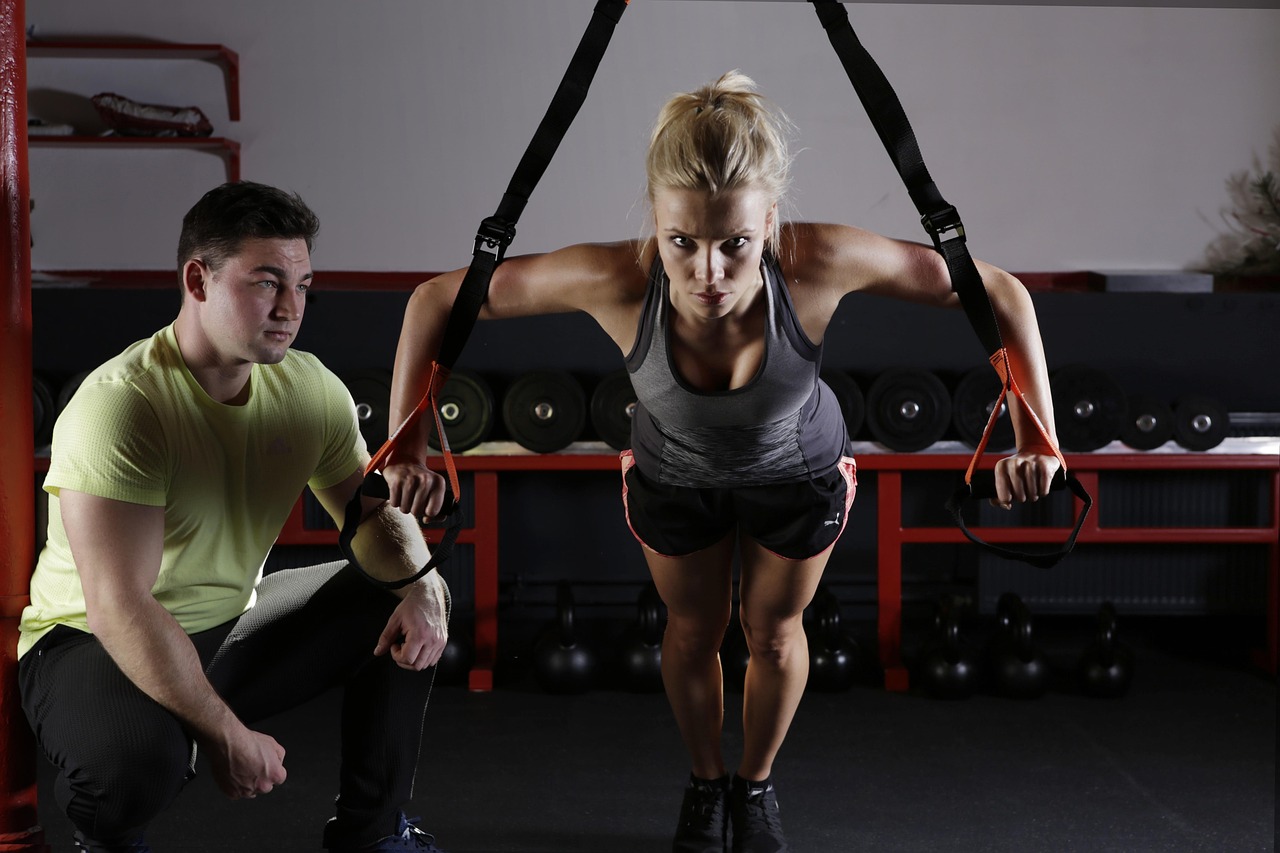
The benefits of plyometric training extend beyond just athletic performance; they also impact overall physical conditioning. Engaging in plyometric exercises improves muscular strength, endurance, and flexibility, which are vital for both athletes and fitness enthusiasts. Results typically include increased muscle mass and improved metabolism, which may assist in weight management. Moreover, plyometrics enhances coordination and balance, aiding in injury prevention, especially in sports requiring sudden changes in direction. Regular plyometric training can also foster better joint stability, resulting from strengthened connective tissues surrounding the joints. Additionally, these training sessions elevate the heart rate significantly, providing cardiovascular benefits that align with aerobic exercises. Enhanced endurance developed through plyometric training enhances an athlete’s performance in both strength and stamina. Importantly, individuals new to plyometrics must seek proper coaching to minimize the risk of injury. Furthermore, varying exercises and integrating other training styles can yield additional benefits and prevent monotony in routine workouts. Ultimately, employing plyometric exercises as part of a well-rounded fitness program boosts physical benefits, contributing to better overall health.
Monitoring psychological benefits is equally important in plyometric training. Engaging in high-intensity workouts can lead to enhanced mental toughness and confidence, which are critical attributes for athletes. Improvement in mental resilience can directly correlate with stronger performance under pressure, further emphasizing the importance of tracking progress. Athletes may experience heightened motivation and determination as they witness measurable advancements in their plyometric abilities. These improvements can inspire commitment to other fitness goals as well, leading to consistent training habits. Moreover, the rush of endorphins released during intense training enhances mood, reducing anxiety and stress levels. This aspect serves to motivate participants actively seeking both physical and mental enhancement through exercise. Setting and accomplishing specific goals in plyometric training can also foster a strong sense of achievement, further boosting self-esteem and positive mindset. As athletes develop stronger psychological fortitude, they might find themselves better equipped to face challenges in their sport. Coaches and trainers can play a pivotal role in encouraging mental growth alongside physical gains. By creating a positive environment, they help foster the psychological advantages of plyometric training into the athletes’ daily lives.
Measuring Plyometric Performance
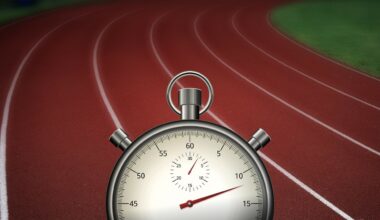
To effectively measure plyometric performance, it’s vital to adopt various testing methods and metrics tailored to specific objectives. A common method includes the use of jump tests, such as the squat jump or countermovement jump, which offer insight into explosive leg power. Recording the height achieved during these jumps provides quantifiable data that can be analyzed over time. Additionally, utilizing a stopwatch to time sprints or agility drills contributes to understanding overall speed and agility gains. Tracking these timings assists in recognizing trends and pinpointing areas needing improvement. It’s also essential to analyze the quality of movements executed during plyometric exercises. Observable metrics should include form, technique, and execution velocity, all of which significantly influence performance outcomes. Implementing regular evaluations, such as bi-weekly or monthly testing, establishes a consistent feedback mechanism. Utilizing fitness apps and wearable technology aids in recording and tracking various metrics effectively. This approach encourages informed adjustments within training programs to enhance efficiency. Ultimately, leveraging multiple performance measurement tools will provide a comprehensive assessment of plyometric progress.
Another important metric to track in plyometric training involves muscle recovery and fatigue levels. Monitoring how well the body recuperates from these high-intensity sessions can provide valuable information about an athlete’s overall conditioning and readiness. Utilizing tools such as heart rate monitors can assist in assessing recovery rates immediately following workouts. By comparing recovery times across different training sessions, athletes can gain insights regarding their endurance and fatigue thresholds. Incorporating subjective measures such as the Rate of Perceived Exertion (RPE) can also help understand how individuals perceive their effort during workouts. Recording these insights allows for adjustments in session intensity to stay within optimal training zones. Moreover, observing soreness levels in specific muscle groups can assist in planning adequate rest periods and preventing injury. Implementing recovery strategies, such as active stretching or low-impact conditioning, should also be part of the training regime. Overall, marking recovery across plyometric training phases contributes to balancing intensity, achieving performance goals, and maximizing benefits derived from workouts.
Smart Training Adjustments
An essential aspect of plyometric training is making smart adjustments based on tracked data. Variables such as exercise type, volume, intensity, and recovery periods must be assessed regularly to ensure adequate progress. For instance, if performance metrics plateau, it may signify the need for increased intensity, volume, or variation in exercise selection. Gradually increasing intensity by incorporating advanced plyometric techniques or additional resistance can lead to further improvements. Moreover, altering rest durations between sets can also influence training effectiveness. Shortening rest will increase endurance demands, while longer recovery periods may better promote strength gains. Implementing progressive overload principles can also yield significant results, where athletes continually increase the training challenges they face. Additionally, individualized training plans that cater to each athlete’s unique needs can maximize the benefits of plyometric exercises. Considering these adaptations ensures athletes remain challenged and motivated during workouts, and avoid overtraining. Overall, using smart adjustments based on measured data will enhance training outcomes significantly and fine-tune performance.
The role of proper nutrition in conjunction with plyometric training should not be overlooked. Fueling the body with adequate nutrients helps optimize energy levels and supports recovery between intense workouts. Athletes should prioritize a protein-rich diet to aid muscle repair and growth, essential after strenuous plyometric sessions. Incorporating carbohydrates provides the necessary energy to sustain high-energy bouts during workouts. Moreover, hydration levels play a crucial role in performance and recovery; thus, monitoring fluids consumed before, during, and after training is vital. Evaluating supplementation options may also benefit athletes, particularly those lacking specific nutrients in their diet. Engaging with nutritionists or dietitians can provide tailored advice based on individual dietary needs. Tracking food intake and adjustments can help establish proper fueling strategies leading to performance enhancement. Nutritional habits, when aligned with training goals, contribute significantly to plyometric program effectiveness. Ultimately, understanding the pivotal role nutrition plays alongside plyometric training ensures athletes maximize their hard work in workouts through thoughtful dietary practices.
Wrapping Up
The journey of tracking progress in plyometric training is a comprehensive approach integrating physical, psychological, and nutritional aspects. Regularly assessing performance, muscular recovery, and mental resilience can lead to well-rounded improvements across athletic capabilities. Employing diverse measurement techniques ensures athletes can identify trends and adjust training regimens accordingly. Engaging professional support from coaches, trainers, and nutritionists further enriches the effectiveness of the training process. A focus on maintaining motivation and confidence is equally important, as athletes witness tangible results from their efforts. Consistency remains key; thus, adhering to structured training schedules will result in noteworthy improvements over time. Monitoring physical advancements should not overshadow the significance of mental and emotional growth throughout this process. As athletes gain confidence, they will likely pursue additional challenges that foster growth. Ultimately, a holistic approach to plyometrics will provide athletes with profound enhancements, paving the way for long-term success in their respective sports.