
Using Kettlebells to Increase Speed and Agility in Martial Arts
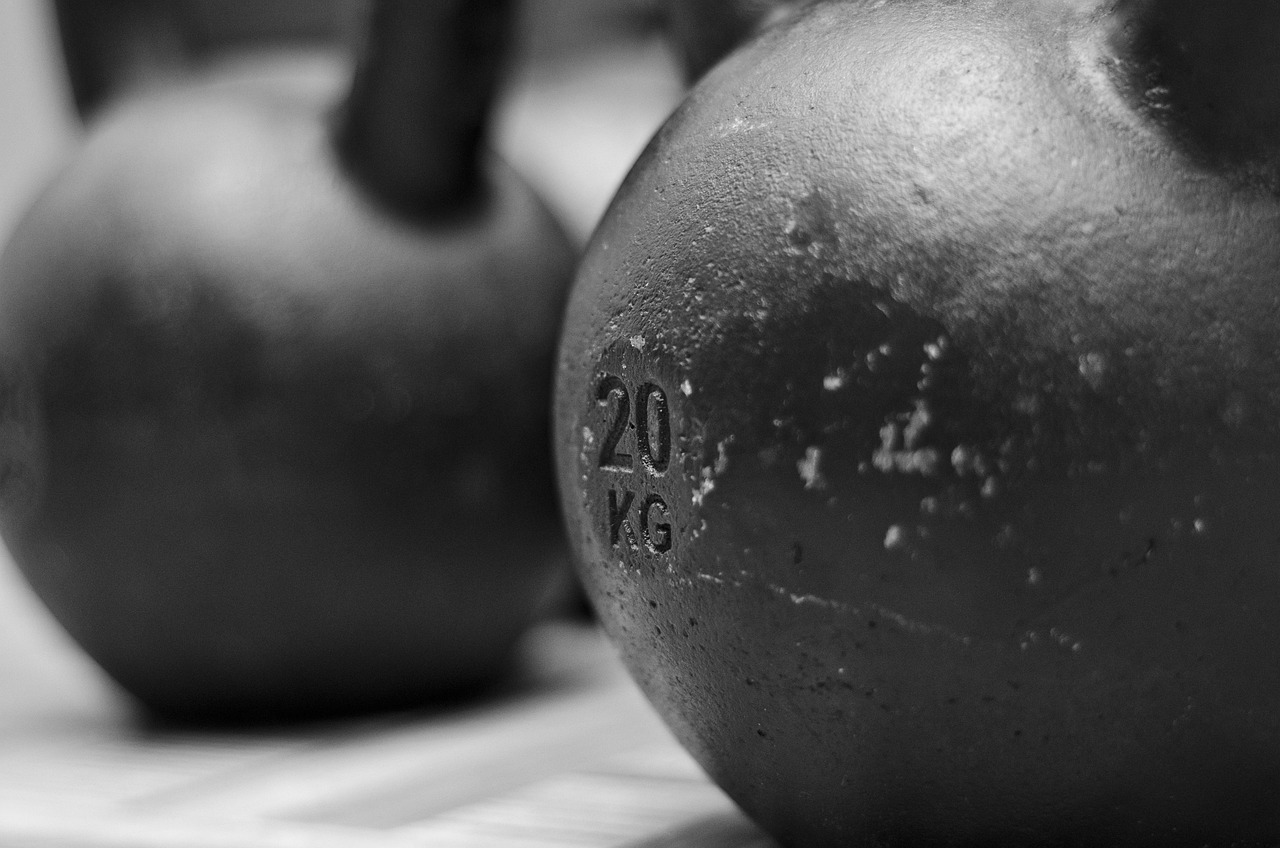
Kettlebell training is an excellent way to enhance speed and agility specifically for martial artists. Practicing with kettlebells can develop explosive strength, needed for quick movements and powerful strikes. The unique design of kettlebells engages multiple muscle groups simultaneously, improving coordination and overall body control. This training method targets both the core and limbs, forging a solid foundation for martial arts movements. Athletes often find kettlebell exercises adaptable to varying skill levels, allowing for progressive overload as capabilities grow. Furthermore, the dynamic swings and lifts involved in kettlebell routines promote balance, vital for effective footwork in martial disciplines. Implementing kettlebell workouts into your training regimen will yield substantial results in a short time. Practitioners may observe enhancements in sparring sessions as their speed accelerates and agility improves. Kettlebells also serve as a versatile tool, enabling athletes to perform various workouts to keep their routines engaging and effective. The intensity of kettlebell training results in improved cardiovascular endurance, a critical factor in martial arts, enabling fighters to maintain a high pace throughout their matches.
To maximize the benefits of kettlebell training for speed and agility, specific exercises should be incorporated. One effective technique is the kettlebell swing, which engages the hips and legs while increasing dynamic power. Additionally, the Turkish get-up improves stability and functional movement, essential traits for martial artists. The snatch and clean and press are also beneficial, as they promote explosiveness needed for quick transitions in martial arts. Furthermore, kettlebell lunges can aid in developing balance while building leg strength, contributing to powerful kicks and stances. Another recommended exercise is the kettlebell halo, enhancing shoulder mobility and core stability. A balanced routine that includes strength, explosiveness, and endurance work is essential for martial arts practitioners. This will improve not only speed but also overall athletic performance. Beyond challenges on the mat, kettlebell training can elevate confidence levels as athletes witness their physical progress. Regular integration of these exercises fosters discipline and persistence. Remember, it’s crucial for individuals to pay attention to proper form and technique to prevent injuries and maximize effectiveness while training. This ensures that each athlete can train diligently without setbacks.
Nutrition plays a significant role when utilizing kettlebells to increase speed and agility. A well-balanced diet fuels the body for demanding workouts, allowing practitioners to perform at their best. Consuming adequate protein supports muscle repair, while carbohydrates provide energy needed for high-intensity training. Incorporating healthy fats can aid in overall recovery and reduce inflammation, ensuring sustained performance. Hydration is equally vital; maintaining proper fluid levels prevents fatigue and enhances focus during both training and martial arts competitions. Additionally, skilled martial artists should evaluate their nutrition in conjunction with their kettlebell regimen, possibly adjusting caloric intake based on their goals. Consulting a nutritionist can provide tailored plans catering to an individual’s specific needs and preferences. This intentional approach will help practitioners maximize their kettlebell training benefits while ensuring they are fueled properly. A combination of nutritious meals and thoughtful portioning will lead to increased energy levels, which can directly impact performance on the mat. Always remember that nutrition should be an essential aspect of any training program, as it ultimately contributes to increased speed, power, and agility, essential attributes for martial arts success.
The Importance of Consistency
Consistency in kettlebell training is key for martial artists aiming to improve speed and agility. Establishing a routine allows athletes to build muscle memory, leading to more efficient movements over time. A structured workout schedule will enable practitioners to progressively increase their weights, thereby enhancing strength and agility levels. It’s advisable to dedicate specific training days solely to kettlebell workouts while balancing those with martial arts practice. By adhering to a consistent routine, martial artists can track their progress and make necessary adjustments, enhancing their overall performance. Additionally, performing kettlebell exercises regularly reinforces movement patterns fundamental to martial arts, allowing for seamless transitions during techniques. Consistent training practices can also lead to mental fortitude, which is crucial during competition. Understanding one’s limits and pushing past them through regular kettlebell training creates resilience. Engaging with other martial artists who incorporate kettlebell workouts can provide motivation and accountability. Alternatively, joining a class focused on kettlebell training can also encourage consistency. Ignite a sense of excitement in workouts, as transforming speed and agility requires dedication despite any challenges faced along the way.
Incorporating kettlebell training into martial arts routines also calls for an understanding of recovery. Adequate recovery time following intense kettlebell sessions is paramount for injury prevention and optimal performance. This involves allowing muscles to rest and replenish energy stores while focusing on flexibility and mobility work. Implementing proper stretching routines helps ease muscle tension, particularly after kettlebell workouts. Practitioners should commit to learning effective strategies for active recovery, such as foam rolling or dynamic stretches. This will aid in alleviating soreness and prepare the body for the next training session. Moreover, incorporating rest days into the training schedule cannot be overlooked. These days allow time for the body to recover, adapt, and ultimately enhance performance. Athletes can tailor their recovery plans based on workout intensity, ensuring there are no missed opportunities for growth. Having a well-rounded approach, including nutrition, hydration, and proper recovery practices, supports athletes in their pursuit of agility and speed through kettlebell training. Ultimately, checking in on oneself mentally during recovery also fosters long-term growth.
The Role of Coaching
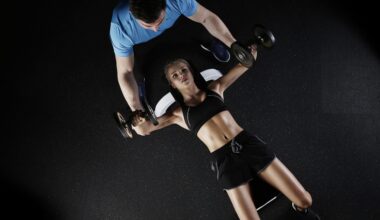
Engaging a coach familiar with kettlebell training and martial arts can be a game-changer for athletes seeking speed and agility enhancement. A qualified coach will provide guidance on proper form, ensuring that exercises are executed safely and effectively. This individualized attention is particularly crucial for beginners who may struggle with technique. Coaches often design tailored workout plans considering the athlete’s current level, goals, and specific martial arts discipline. With professional insight, practitioners can navigate their kettlebell training more strategically, unlocking greater potential. Moreover, coaches can introduce variations to traditional kettlebell exercises, keeping workouts fresh and avoiding plateaus. They also serve as motivational support, both mentally and physically, encouraging athletes to push through challenging days. The accountability that comes from regular coaching sessions fosters a stronger commitment to training. Coaches can identify progress areas and create milestones, which can be incredibly motivating. Building this relationship creates a supportive environment that nurtures growth. Therefore, seeking out coaching in kettlebell training can vastly improve your martial arts performance, leading to newfound levels of speed and agility.
Finally, tracking progress in kettlebell training for martial arts can help illustrate improvements in speed and agility. Consider maintaining a training journal that includes workout details, weights used, and personal records for various kettlebell exercises. By documenting progress, athletes can visualize their growth over time, making it easier to stay motivated. This practice not only provides valuable insight into workout effectiveness but also highlights areas that may require extra attention. Furthermore, utilizing technology such as fitness apps or wearable devices can enhance tracking efforts, offering detailed analytics on performance metrics. Additionally, sharing progress on social media can foster community support, motivating individuals to stay committed to their kettlebell training. Engaging with fellow martial artists during this journey can lead to shared tips and experiences. Understanding that this journey is ongoing encourages long-term commitment and resilience. As athletes continue to analyze their progress, setting new goals becomes achievable, thus fueling the pursuit of improving speed and agility in martial arts. In summary, consistency, recovery, coaching, and progress tracking can lead to remarkable benefits through kettlebell training.