
Box Breathing Technique: How and Why It Works
The Box Breathing technique is a powerful strategy to promote relaxation and focus. It is also known as four-square breathing because of its simple structure. This technique involves inhaling, holding, exhaling, and holding the breath again for equal counts. This practice has roots in various traditions, including yoga and mindfulness. By employing Box Breathing, individuals can achieve a sense of calm that allows for greater clarity of thought and emotional regulation. It is particularly beneficial in high-stress situations, providing a way to prevent overwhelming feelings. Furthermore, breathing techniques like this can be used to enhance meditation sessions and overall mental health. Anyone can learn box breathing, making it an accessible practice. All one needs is a comfortable environment to begin and a willingness to focus. Regular practice can lead to long-term benefits, including improved concentration and reduced anxiety levels. Understanding how this technique operates gives individuals tools to manage their stress effectively. You can perform it anywhere, making it practical for everyday situations, such as before presentations or when feeling overwhelmed.
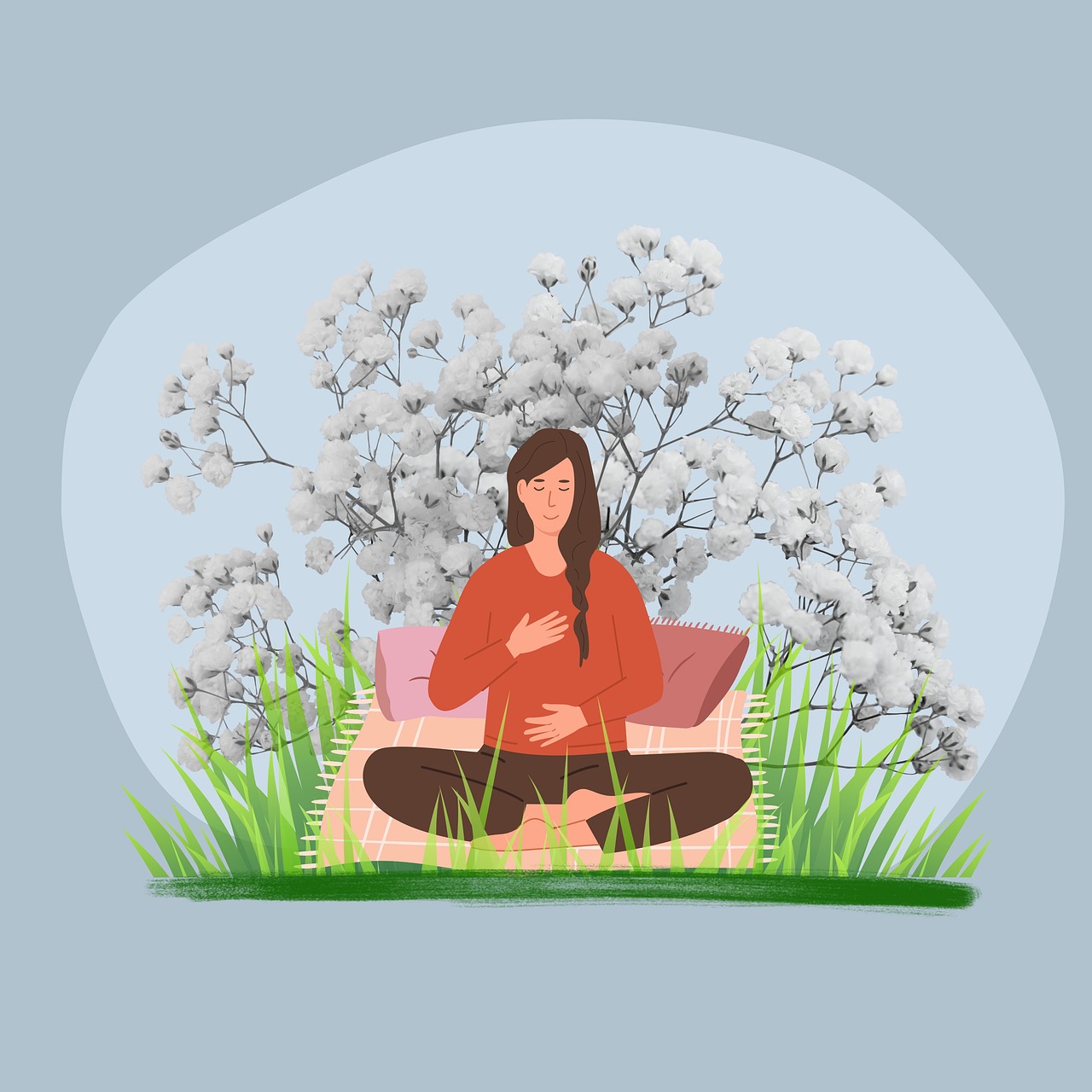
To start practicing Box Breathing, one should first find a quiet space to settle in. It is ideal to sit up straight in a comfortable position, with your feet flat on the ground. Next, close your eyes and start by taking a deep breath. Inhale slowly through your nose while counting to four. Hold your breath for another count of four, allowing yourself to feel the fullness of the breath. Then, exhale steadily through your mouth for a count of four, releasing all tension. Finally, hold your lungs empty for a count of four before repeating the cycle. By maintaining this rhythm, the body signals the nervous system to relax. This practice can lead to a clearer mind and higher emotional resilience. Beginners might practice this technique for just five minutes daily, gradually increasing the time as they become more comfortable. Visualization can enhance this process by imagining the breath moving through the body, invigorating each cell. Consistent application can yield remarkable changes within weeks. In conclusion, Box Breathing is a valuable skill for calming the mind and body.
Benefits of Box Breathing
Numerous studies demonstrate the benefits of Box Breathing for reducing stress and anxiety. By regulating the breath pattern, individuals can significantly lower their heart rates and promote relaxation. Physiologically, it activates the parasympathetic nervous system, which counteracts the body’s stress response. This calming effect can improve mood and boost overall emotional health. Engaging in Box Breathing can also support focus and concentration, making it beneficial for those needing mental clarity. The balanced breathing rhythm helps clear the mind, allowing thoughts to flow uninhibited. Furthermore, Box Breathing can be a tool for achieving deeper states of meditation. Regularly integrating this practice into daily life can enhance relaxation during meditation sessions, bringing greater awareness and connection to one’s breath. This technique may also aid in better sleep quality by reducing anxiety before bedtime. Additionally, Box Breathing offers a way to cultivate mindfulness, promoting present-moment awareness. Ultimately, the benefits of this technique extend beyond mere relaxation, providing a holistic approach to well-being. People seeking coping mechanisms can greatly benefit from Box Breathing as they navigate a fast-paced world filled with stressors.
Box Breathing is incredibly versatile and can be adapted for various situations. It can be performed during moments of stress or implemented as a daily routine to foster inner peace. This technique fits seamlessly into any lifestyle, whether at work, home, or even while commuting. In high-pressure environments, individuals can use Box Breathing as a quick reset, allowing them to regain composure. This adaptability makes Box Breathing an essential tool for anyone seeking to enhance their resilience against daily stressors. It is also suitable for beginners since it does not require special equipment or extensive training. As you continue to practice, you may find improvements in your self-regulation skills. Adjusting breath patterns can lead to enhanced emotional intelligence, further improving interpersonal relationships. Many seasoned practitioners incorporate Box Breathing into their meditation practices or energetic routines. Finding a practice that suits you is essential, allowing you to enhance your overall mindfulness journey. Overall, the versatility of Box Breathing offers endless opportunities for improvement in multiple areas of life, allowing for a more balanced approach to managing stress and achieving mental clarity.
How to Integrate Box Breathing into Your Daily Life
To effectively integrate Box Breathing techniques into your routine, consistency is key. Setting specific times throughout your day can establish a habit that promotes regular practice. For instance, consider practicing first thing in the morning, during lunch breaks, or before bedtime. These moments create opportunities for mindfulness. Additionally, pairing Box Breathing with existing routines can help reinforce the habit. Practicing immediately after your morning coffee or before starting your evening wind-down can be effective. Use reminders such as phone alarms or sticky notes to prompt you throughout the day. Engaging in the technique with friends or family may also enhance motivation. Further, create a comfortable space for practice at home that fosters relaxation. As you become more accustomed to Box Breathing, you may experiment with different variations. For example, try using different counts, such as inhaling for five seconds instead of four. Incorporating visualization techniques can aid in focusing your mind as you breathe. As you progress, you may find creativity and innovation building around your practice, leading to a transformative experience in mindfulness.
Box Breathing can also complement sports routines and physical activities. Athletes often experience high stress levels during competitions, and Box Breathing can be a useful method for maintaining focus. Integrating Box Breathing before or after physical activities can optimize performance and recovery. For example, runners could practice Box Breathing as a pre-race warm-up. The technique allows for mindfulness in movement, enhancing their connection to physical sensations. Likewise, post-workout, Box Breathing supports the body in transitioning from physical exertion back to a resting state effectively. Engaging in this practice can help prevent injuries and promote longevity in physical pursuits. By synchronizing breath with movement, individuals also cultivate a stronger mind-body connection, leading to increased overall performance. For those in high-stakes environments, developing a ritual of Box Breathing can provide clarity and calm, making it an excellent tool for mental focus. Understanding how to incorporate this practice into various aspects of life creates resilience. Ultimately, individuals who embrace Box Breathing will find themselves equipped with powerful tools for regulating stress and enhancing overall well-being. The fusion of breathwork and mental discipline fosters a unique journey to mindfulness.
The Science Behind Box Breathing
Research stands behind Box Breathing’s effectiveness in promoting calmness and resilience. Studies in psychophysiology reveal that controlled breathing exercises can influence brain chemistry positively. By promoting a steady rhythm of inhalation and exhalation, these techniques affect heart rate variability, which is a measure of the body’s stress response. Increased heart rate variability is associated with better emotional regulation and overall well-being. Furthermore, neuroscientific research indicates that mindfulness practices impact brain structures involved in emotion and stress regulation. Regular practice can lead to changes in areas of the brain that control anxiety and fear responses. The practice of Box Breathing can also activate the vagus nerve, which plays a crucial role in anxiety reduction and relaxation. This physiological response offers insight into why many people report feeling more centered after Box Breathing. Additionally, Box Breathing may stimulate the release of neurotransmitters, such as dopamine and serotonin, which contribute to positive mood and emotional balance. As a result, integrating Box Breathing into daily practices holds promise for mental health interventions and individual empowerment for a healthier lifestyle.
In conclusion, mastering the Box Breathing technique can empower individuals to regulate their stress and enhance overall well-being. It offers a structured approach to mindfulness that can be practiced anywhere and at any time. The ability to control one’s breath can lead to improved emotional stability, enhanced focus, and a greater sense of peace. By committing to regular practice, you can unlock the array of benefits associated with this technique. It may serve as a supplementary skill in daily life, sports, or even during high-pressure situations. The effectiveness of Box Breathing is supported by science, which validates its positive impact on mental health. Whether you are a beginner or an experienced practitioner, incorporating this technique is an opportunity for meaningful change. As you practice, you will discover the profound effects it has on your mind and body. Consider starting today; find your rhythm, breathing in calmness, and exhaling tension. With determination, Box Breathing promises to improve not only your meditation sessions but your overall quality of life. A commitment to developing this skill can lead you to resilience and a more mindful existence.