
Cardio Workouts That Help Reduce LDL Cholesterol
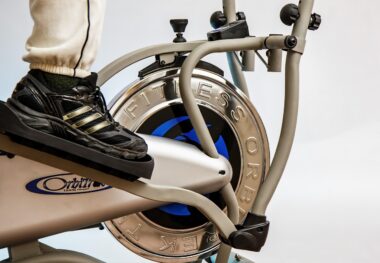
Cardiovascular fitness is a crucial aspect of maintaining overall health, especially when it comes to managing cholesterol levels. Engaging in regular cardiovascular workouts is effective in reducing low-density lipoprotein (LDL) cholesterol, often referred to as “bad” cholesterol. A consistent exercise routine can help improve your body’s ability to metabolize fats and nutrients, which supports healthier cholesterol levels. Among the best forms of cardio exercises include cycling, brisk walking, running, swimming, and aerobic classes. These activities not only boost your heart health but also play a significant role in enhancing your cholesterol profile. When you partake in these activities, your body increases its capacity to utilize stored fat, effectively lowering LDL levels. Furthermore, cardio workouts help raise high-density lipoprotein (HDL) cholesterol, known as “good” cholesterol, which is essential for overall cardiovascular health. Incorporating these workouts into your weekly routine can significantly impact your cholesterol levels, contributing to a healthier lifestyle. Start with moderate intensity and gradually increase duration or intensity to obtain the best results for managing cholesterol.
The Importance of Consistency
To successfully lower LDL cholesterol levels, consistency in your cardio workouts is vital. Engaging in these workouts at least three to five times per week is recommended for the best health benefits. Make a commitment to integrate cardiovascular exercises into your daily routine. Activities such as walking, running, or cycling can provide considerable protection from heart disease and can lower the risk associated with high cholesterol levels. Participating in a range of aerobic exercises can keep your routines fresh and motivating. Set specific goals for duration and intensity, gradually increasing them over time. For example, aim for at least 150 minutes of moderate aerobic activity or 75 minutes of vigorous activity each week. Incorporating various workout types can prevent boredom and promote longevity in your fitness journey. Remember, not every session has to be intense; even moderate activities like brisk walking contribute positively. Additionally, focusing on enjoyment can enhance the likelihood of maintaining consistency in your routine, leading to long-lasting improvements in cholesterol levels.
In addition to consistency, combining your cardio workouts with strength training can further enhance cholesterol management. Strength training exercises not only support muscle building but also help improve cardiovascular health by increasing overall metabolic rate. Pairing these two types of workouts results in maximum benefits when addressing cholesterol levels. Aim for at least two days of strength training each week, including various muscle groups. Options include bodyweight exercises like push-ups, squats, and lunges, as well as using free weights or resistance bands. Adding strength training to your fitness routine can lead to increased lean body mass, which helps in fat loss over time. The combination of aerobic and strength workouts also encourages a balanced approach to fitness. Studies indicate that people engaged in both types of training experience a more favorable cholesterol profile. Additionally, this varied routine can increase overall workout adherence, providing long-term benefits for heart health. Incorporating diverse activities is beneficial for motivation and helps keep fitness an enjoyable aspect of life while achieving your cholesterol management goals.
Nutrition’s Role in Managing Cholesterol
While cardio workouts are essential, diet also plays a critical role in managing LDL cholesterol levels. Consuming a heart-healthy diet, rich in fruits, vegetables, whole grains, and healthy fats, can support your cardiovascular fitness journey. Foods high in omega-3 fatty acids such as salmon, flaxseeds, and walnuts can positively influence cholesterol levels. Incorporate soluble fiber into your meals since it helps reduce LDL cholesterol. Sources include oats, beans, apples, and lentils. Limiting saturated fats found in red meats and full-fat dairy products is essential, as these can contribute to unhealthy cholesterol levels. Instead, favor lean protein sources and healthy fats like those from avocados and nuts. This approach not only supports your cholesterol management efforts but also enhances overall health. Stay hydrated and limit sugary beverages. Adopting these nutritional practices can complement your exercise routine, leading to more significant improvements in cholesterol management. Working closely with a healthcare provider or nutritionist can further tailor dietary needs and fitness goals effectively.
Monitoring your progress is an essential part of managing LDL cholesterol through cardiovascular workouts. Keeping track of both your workout achievements and cholesterol levels is important to stay motivated and informed. Consider maintaining a fitness journal or using mobile apps dedicated to health tracking. Record your workouts, noting the type of activity, duration, and intensity to better evaluate your cardiovascular fitness journey. Additionally, regular check-ups with your healthcare provider are vital to assess cholesterol levels and overall heart health. Blood tests can facilitate the tracking of LDL and HDL cholesterol levels. Make sure to schedule lipid panel tests annually or as advised by your doctor. If your results are improving, acknowledge these successes, and continue making progress. If not, don’t hesitate to reassess your workout routines, dietary habits, and overall lifestyle choices. Continual monitoring not only keeps you accountable but also helps identify what works best for your body. Adapting your strategies based on tracking outcomes can ultimately lead to improved health and lower LDL cholesterol levels over time.
Incorporating Variety in Workouts
To prevent boredom and maintain motivation, incorporate variety into your cardio workouts. Different types of workouts can challenge your body in numerous ways, leading to better results. Explore various forms of cardiovascular exercises, such as cycling, swimming, dancing, or group classes, to keep workouts fresh and engaging. High-Intensity Interval Training (HIIT) is another effective option, combining short bursts of intense activity with recovery periods. This method can maximize calorie burn and cardiovascular benefits in a shorter time. Finding a workout buddy can also enhance consistency and further improve accountability. Not only does it make exercising more enjoyable, but it can also introduce friendly competition. Joining local clubs or classes can provide opportunities to meet new people and share experiences. Additionally, trying outdoor activities like hiking or jogging can help develop a connection with nature, making exercise even more rewarding. Stay open to exploring various workouts and listen to your body’s needs. By diversifying your exercise routine, you’re more likely to remain committed to managing your cholesterol levels effectively and healthily.
In summary, cardiovascular workouts play a fundamental role in managing LDL cholesterol levels effectively. Coupled with a balanced diet, regular and consistent exercise can significantly improve your heart health. Engaging in a mix of aerobic and strength workouts allows you to create a comprehensive fitness regime that addresses cholesterol management while promoting overall well-being. The importance of consistency cannot be overstated; making exercise a regular part of your life will lead to sustainable results. As you embark on this fitness journey, monitor your progress to stay motivated and adapt your approaches as needed. Remember, collaborating with healthcare professionals to evaluate your cholesterol levels will provide insights into your health improvement. Don’t forget the power of variety—exploring new activities can help enhance your motivation. This approach enables you to enjoy the journey of better health while effectively working towards reducing LDL cholesterol levels through various means. Stay committed to your cardiovascular fitness plan and maintain a healthy lifestyle, and you’ll reap the benefits for years to come.