
Case Studies of Winter Sports Injury Treatments: Success Stories
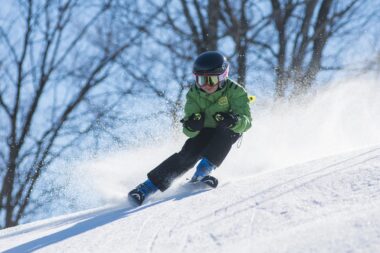
Winter sports can be thrilling but also pose a significant risk of injury. Skateboarding, skiing, and snowboarding are exhilarating but can lead to serious accidents. One of the common injuries frequenting these arenas is a knee sprain, which can occur during a fall or an unexpected twist. Studies show that proper warm-up exercises before engaging in sports reduce injury occurrences. In one notable case, a young skier experienced a severe knee injury while competing. Months of therapy significantly improved his recovery time and functionality. He underwent physical therapy focusing on strength rebuilding and flexibility exercises. The therapy included modalities like ultrasound therapy and electrical stimulation to reduce pain and enhance recovery. Gradually, customized exercises were introduced, speaking directly to his skiing performance. This case underlines the importance of immediate treatment followed by a structured rehabilitation program which ultimately led him to successfully return to the slopes. This case exemplifies how targeted therapeutic interventions can enhance recovery outcomes, stunningly illustrating the critical role of professionals in sports medicine. The road to recovery is seldom simple but success stories like these motivate others facing similar challenges.
Understanding the Nature of Common Injuries
In the realm of winter sports, various injuries are omnipresent. The most commonly reported injuries usually include fractures and concussions. For instance, snowboarders are often prone to wrist injuries, frequently occurring due to falls on outstretched arms. Another case is that of a young snowboarder who fell awkwardly during a routine trick, leading to a fractured wrist. His treatment course required surgery to install plates for stability, followed by rehabilitation involving progressive exercises. In addition, education about proper fall techniques can help prevent such injuries. Furthermore, another analysis focused on a skier with a concussion suffered from a significant fall. His treatment involved strict monitoring of symptoms and gradually increasing cognitive activities. Both cases illustrate that proper medical intervention and rehabilitation are pivotal for returning to winter sports. Furthermore, it’s crucial for athletes, trainers, and coaches alike to recognize the signs of injury and adhere to appropriate treatment protocols to minimize long-term consequences. This understanding creates a safer environment, emphasizing the need for continuous education within winter sports communities.
The importance of equipment in preventing winter sports injuries cannot be underestimated. Proper gear plays a crucial role in ensuring safety during various activities. For skiers, invest in well-fitted helmets and protective padding, which significantly decrease injury rates. In a documented case, a snowboarder wearing a helmet during a straight jump avoided a traumatic head injury after a fall. His recovery required minimal medical intervention, showcasing how protective gear can mitigate the impact of accidents. Similarly, one common mistake among snowboarders is wearing improper boots, which can lead to ankle injuries. Another case observed involved an athlete who suffered an ankle fracture due to inadequate support. After surgery and a structured rehab plan, he regained strength and was reintegrated into sports. Moreover, as athletes improve their skills, accommodating adjustments to their equipment can ensure better safety and performance. Athletes should routinely inspect and invest in high-quality gear tailored to their specific sport. Hence, awareness regarding proper equipment alongside education on its use can progressively lead to safer sporting experiences in winter sports, diminishing injury risk significantly.
Importance of Recovery and Rehabilitation
Following an injury, proper recovery protocols contribute significantly to athletes’ overall well-being. One success story features a figure skater who suffered a severe ankle sprain during training. After receiving immediate care, she diligently followed a comprehensive rehabilitation program. The regimen incorporated hydrotherapy, mobility exercises, and gradual reintroduction to her skating routine, effectively fostering recovery. This approach highlighted the necessity of structured recovery strategies tailored for athletes based on medical assessments. Another inspiring account involved a cross-country skier who endured a hamstring injury. His treatment involved regular physiotherapy sessions focusing on muscle strengthening and balance training. Both of these athletes exemplified resilience and the significance of adhering to recommended rehabilitation timelines while underscoring how structured recovery plans can greatly influence outcomes. Realizing the importance of patience in the rehabilitation process is essential as rushing back into activity can often lead to re-injury. Professional guidance throughout this process enables athletes to cultivate strong foundations, effectively preventing future injuries and promoting long-term athletic success.
In addition to physical treatment, mental health plays an often-overlooked role in recovery from winter sport injuries. Athletes experience various psychological challenges including anxiety and fear of re-injury during their recovery. A notable case involved a young alpine skier who suffered a leg fracture. Post-surgery, she struggled with anxiety about competing again. Counseling and sport psychology sessions provided her the tools to navigate her concerns. Resilience-building and visualization techniques were utilized during her rehabilitation. These supportive approaches helped alleviate her concerns and boost her confidence. Another similar instance is found with a ski jumper reverting from an injury. Regular engagement with mental health professionals effectively aided his return to competitive skiing. Incorporating mental health strategies into physical recovery creates a well-rounded rehabilitative approach. Encouraging open conversations regarding mental struggles, combined with tailored support plans, can create pathways toward a healthier mindset. This comprehensive focus on both physical and mental well-being catered to successful rehabilitation, emphasizing the vital interplay between physical health and mental resilience in the world of competitive winter sports.
Preventing Injuries through Education
Preventative education in winter sports is paramount to reducing injury risk among participants. Various organizations are working hard to provide athletes, coaches, and parents with essential information. For example, ski resorts often run workshops emphasizing safety, equipment use, and healthy practices. One notable initiative involved a partnership between local schools and winter sports associations, aimed at educating young athletes. Workshops covered topics like injury prevention techniques, proper fitness routines, and hydration strategies during sports. In a correlational study, injury rates among youth decreased following program implementation. Similarly, training programs aiming to address proper warm-up techniques were developed to reduce the likelihood of injuries. A skier who regularly attended these classes exhibited a remarkable reduction in reported injuries during his sporting season. Moreover, interactive sessions where athletes practiced techniques in a safe environment proved to be beneficial. By engaging youth through practical experiences, they better comprehend the significance of safety protocols. Enhanced education positively impacts knowledge retention and empowers athletes to take charge of their well-being, fostering a culture of safety across all winter sports environments.
In conclusion, success stories of winter sports injuries exemplify the remarkable potential of appropriate treatment, rehabilitation, and preventative measures. Distinct narratives demonstrate comprehensive approaches taken by healthcare professionals to ensure health and safety among winter sport participants. Highlighting significant case studies facilitates educational approaches, creating avenues for greater awareness and understanding within sports communities. As seen in the tales of recovery, both athletes and medical professionals alike must collaborate diligently, addressing not only physical recovery but also mental health aspects. Continued commitment toward protective measures, ongoing education, and mentorship will inherently boost safety and personal accountability. Furthermore, fostered environments that endorse safe practices can significantly reduce the likelihood of injuries. Ultimately, embracing knowledge sharing among athletes, coaches, and healthcare practitioners will deliver transformative outcomes that improve the experiences for all involved in winter sports, creating a safer landscape and vibrant community. Understanding injury types, emphasizing correct equipment usage, and addressing mental health aspects can lead to exemplary recoveries. The narrative of success stories serves not only to motivate individuals facing challenges but also inspires the winter sports community, creating resilience and empowerment.
Successful rehabilitation and injury management strategies transform individual athlete experiences, ensuring they return to winter sports stronger and more educated.