
Combining HIIT with Other Fitness Activities for Holistic Development
Incorporating High-Intensity Interval Training (HIIT) into children’s fitness routines is an excellent way to develop overall strength and agility. HIIT can be paired with various other physical activities, providing both fun and effective workouts. Strength training, soccer, dance, and swimming can complement HIIT, allowing kids and teens to develop diverse skills. Engaging in such activities not only improves fitness levels but also enhances social interaction and teamwork. Parents and coaches should create schedules that balance HIIT with these activities. For example, a weekly regimen may include HIIT sessions on certain days, coupled with basketball or soccer practice on others. This strategy promotes holistic development by ensuring the body receives varied forms of exercise. Additionally, teens may feel more motivated to participate when they can see tangible benefits in their performance and skills. The combination of intense workouts with skill-oriented sports can keep engagement high. Thus, blending HIIT with traditional sports fosters an environment where children thrive physically and socially, allowing them to develop lifelong fitness habits.
Moreover, the integration of HIIT with dance classes can prove beneficial for kids and teens. Dance, whether it’s hip-hop, ballet, or contemporary, involves rhythm, flexibility, and strength. When combined with HIIT, it creates an energizing atmosphere, enhancing cardiovascular endurance. This approach targets different muscle groups and improves overall body coordination alongside HIIT’s high energy bursts. Children enjoy the creative aspects of dance while also achieving fitness goals through an engaging medium. Parents should look for local dance studios that incorporate fitness elements into their classes, ensuring that their children experience a well-rounded activity schedule. Participating in such classes provides a platform for expression while simultaneously improving physical health. Furthermore, dancing promotes emotional well-being by reducing stress and enhancing happiness. The combination of HIIT with dance helps in developing strong muscles, agility, and stamina. In light of these benefits, incorporating a HIIT with dance class combo can motivate children to maintain an active lifestyle, ensuring they have fun while exercising. This enjoyable blend promotes a lifelong passion for fitness and well-being among kids and teens.
HIIT and Team Sports
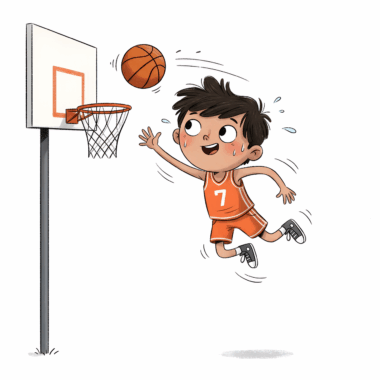
Another vital combination is between HIIT and team sports, such as basketball or soccer. These sports require quick bursts of energy and strength, mirroring the demands of HIIT workouts. By integrating HIIT principles into team practices, coaches can greatly enhance their players’ fitness levels and performance. Short, intense sprints can be included to develop speed and agility. For instance, setting up drills that involve high-intensity exercises followed by rest periods simulates actual game situations. This not only builds endurance but also teaches athletes to recover quickly. Engaging in HIIT alongside regular team practice brings the added benefit of camaraderie and teamwork into workouts. Children and teens appreciate working with peers and sharing success, which bolsters their motivation. Coaches can design routines that incorporate HIIT-based drills within their practice sessions to maximize training effectiveness. Encouraging this combination fosters not just physical athleticism but also instills discipline and competitive spirit. As a result, linking HIIT with traditional team sports effectively equips young athletes for success on the field.
Fitness challenges can also be fun when merging HIIT with other activities. Organizing mini-competitions or fitness challenges involving HIIT can motivate kids and teens to push themselves while enjoying group dynamics. Incorporating elements from other disciplines, such as yoga or martial arts, can enhance these challenges. For instance, adding intervals of yoga poses between HIIT rounds improves flexibility and mental focus. This combination encourages children to explore their capabilities physically while conducting HIIT routines. Furthermore, these challenges engage participants in friendly competition, making exercise more enjoyable. By continuously changing the workouts, children stay excited and committed to improving their fitness levels. The inclusion of rewards can act as an added incentive. For example, certificates, medals, or recognition within school communities can boost their sense of accomplishment. Parents and instructors should prioritize creating a supportive environment during these events. Such experiences promote both a sense of community and physical health. Ultimately, blending HIIT with fitness challenges inspires children to cultivate healthier lifestyles while fostering collaboration and friendship.
HIIT and Outdoor Activities
Incorporating HIIT into outdoor activities can create exciting opportunities for kids and teens. Activities such as hiking, biking, or playing in the park can be enhanced with HIIT elements. For example, integrating sprinting intervals during a hike can add an exciting dimension while boosting cardiovascular fitness. This approach encourages a love for nature and outdoor exploration while promoting fitness goals. Biking routes can have designated spots to stop and perform exercises like push-ups or burpees, allowing for varied physical engagement. Children often find outdoor activities more appealing than exercising indoors, making it a unique platform for fitness. Furthermore, involving friends or family members strengthens bonds through shared goals. Outdoor HIIT workouts can turn into a mini-adventure, allowing kids to enjoy their surroundings. Such experiences also promote mental well-being, reducing anxiety and encouraging positive mood shifts. Communities should organize outdoor fitness events that include HIIT to encourage widespread participation. By merging physical fitness with outdoor fun, children benefit from enjoying nature while staying active. This ultimately fosters a well-rounded approach to health and fitness.
In addition, backyards provide an excellent space for HIIT-inspired games. Games designed to combine HIIT with traditional play can help children develop agility, strength, and coordination. Popular choices include tag-style games where intensity levels vary based on the players’ movements. This engaging format makes working out feel like play, encouraging kids to participate willingly. Setting up obstacle courses or relay races incorporating HIIT elements can also be done. Each segment can combine cardio with strength training. The exciting aspect of working out in an open area encourages creativity and imagination, as children can introduce their challenges. Parents can creatively incorporate HIIT routines into day-to-day activities through such games at home. The flexibility of these workouts ensures that they remain manageable and fun. Furthermore, engaging in games fosters interaction with peers and instills sportsmanship values. Encouragement from family promotes a supportive environment where active play becomes a rewarding experience. Hence, incorporating HIIT into backyard play provides a delightful and effective means for kids and teens to stay physically active while enjoying their childhood.
Summary and Motivation
In conclusion, combining HIIT with various fitness activities creates paths for holistic development of kids and teens. This approach not only increases physical fitness but also fosters social, emotional, and mental wellness. Through team sports or dance classes, children develop essential life skills, including discipline and teamwork. Supplementing indoor routines with outdoor activities enhances excitement and joy in exercise. Parents and educators should encourage diversification of physical routines, ensuring children engage in multiple facets of fitness. Programmed challenges or collaborative games can help instill motivation, creating lasting interest in fitness. Moreover, supporting kids during workouts cultivates a sense of achievement and boosts self-esteem. By combining HIIT with other activities, children gain the benefits of varied movements, enhancing overall physical health. As they grow older, these habits create a foundation for a lifelong dedication to staying active. Engaging children positively in fitness activities encourages them to embrace healthier lifestyles. Ultimately, providing children with diverse opportunities enables them to thrive not only physically but also mentally, paving the path for them to flourish in their overall development.
Encouraging diversity and a multifaceted approach to fitness allows children and teens to explore their interests. By providing opportunities to experience HIIT alongside other fitness forms, parents can inspire a love for being active that lasts a lifetime. Regular involvement in such workouts helps them learn the value of fitness, teamwork, and healthy competition. In doing so, parents nurture resilient, confident individuals prepared to tackle physical and social challenges. An emphasis on enjoyment can deepen their commitment to an active lifestyle and reduce burnout. So, the journey towards integrating diverse fitness formats should start early to reinforce a culture of wellbeing in younger generations. Providing opportunities to explore HIIT with alternative activities will ultimately yield healthier, happier children, equipped with skills to flourish physically and emotionally.