
Cross-Training vs. Specialized Parkour Training: Finding the Right Balance
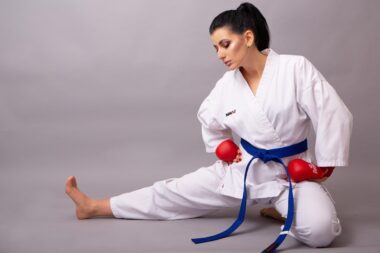
When it comes to parkour and freerunning, understanding the importance of cross-training versus specialized training is essential for optimizing performance. Cross-training involves engaging in various physical activities that complement parkour skills. This can enhance overall strength, flexibility, and endurance. Activities like martial arts, dance, or gymnastics can improve body control and spatial awareness vital for parkour practitioners. By integrating different disciplines, athletes can develop a well-rounded set of skills that enhance their parkour performance.
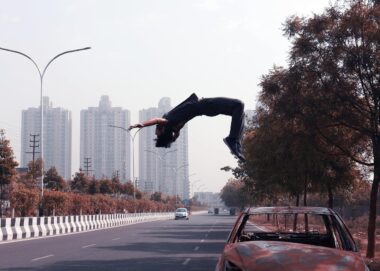
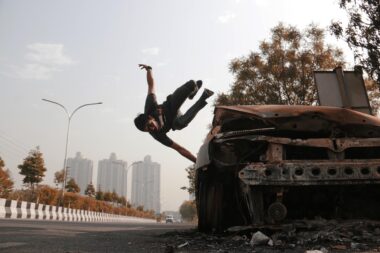
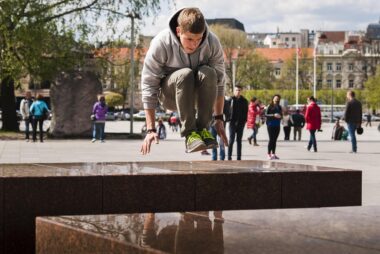
On the other hand, specialized parkour training focuses solely on developing specific techniques used in parkour. This training typically includes jumps, flips, vaults, and landings tailored to parkour challenges. Engaging in specialized training allows practitioners to hone their skills and master obstacles found in urban environments. While the targeted training builds intensity, it may neglect the benefits provided by cross-training for overall physical fitness. Therefore, striking a balance between both approaches is crucial for peak performance.
In practice, a well-rounded training regimen can significantly benefit those involved in parkour and freerunning. Incorporating cross-training sessions into regular routines allows for recovery and helps prevent injuries that may arise from repetitive movements. The varied workout styles can lead to improved muscular endurance and flexibility while promoting mental resilience. Practitioners should consider setting aside at least one or two days a week for cross-training specific activities to keep them engaged and physically prepared for parkour sessions.
The Benefits of Cross-Training for Parkour
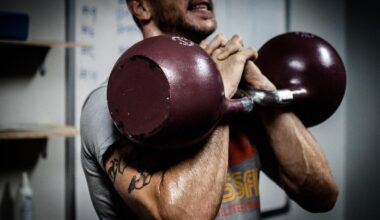
Cross-training offers several advantages for parkour enthusiasts aiming to enhance their performance. Engaging in diverse workouts helps build muscle groups that might not be emphasized in parkour alone. For instance, strength training can improve leg power and gripping strength, while conditioning helps with core stability. Additionally, engaging in aerobic activities will ensure better cardiovascular fitness. As parkour often requires bursts of intense activity, having a strong cardiovascular foundation is crucial for performing well under pressure.
Moreover, cross-training promotes recovery and reduces burnout. When an athlete spends all their time focusing solely on parkour, they may become mentally drained, which can hinder progress. By varying the routine, it keeps workouts fresh and exciting. Additionally, this prevents physical burnout associated with overtraining specific techniques. Practitioners can also explore new likes or skills that either complement parkour or simply provide a break from the intensity of specialized training, enhancing their overall enjoyment.
Challenges of Specialized Parkour Training
While specialized parkour training has its place, it is essential to consider the potential drawbacks as well. Focusing only on parkour techniques can lead to overuse injuries, particularly in high-impact activities like jumping or landing. Athletes may ignore important aspects of mobility and flexibility that can improve performance. Furthermore, ignoring cross-training may limit adaptability as obstacles differ from one environment to another. Practitioners must prepare for a range of challenges, which often requires a diversified skill set.
Additionally, specialized training can foster a narrow mindset, causing practitioners to become overly fixated on technical prowess rather than functional strength. This mindset might hinder their ability to remain versatile in freestyle movements required for competition or performance demos. As parkour emphasizes creativity and adaptability, relying solely on specialized training can become counterproductive. A balanced approach that incorporates cross-training ensures practitioners can face varied environments and perform at their best no matter the situation.
Finding the Right Balance
The key to success in parkour lies in finding the right balance between cross-training and specialized training. Athletes should evaluate their current abilities and carefully plan their training schedules. Setting clear goals helps establish which areas require focus for improvement while allowing time for cross-training. By combining strength, flexibility, and technique, practitioners can forge a path toward impressive progress while maintaining their passion for parkour.