
Developing Core Stability Through Breath Control
Maintaining a healthy posture is essential for overall well-being and optimal physical function. One of the most effective ways to enhance posture is by integrating breathing techniques into daily routines. The process of breath control can significantly aid in developing core stability, which in turn supports proper alignment of the spine and surrounding muscles. Core stability refers to the ability to maintain a strong and stable midsection that can support the spine during various movements. Proper breath control activates deep abdominal muscles, contributing to a more robust core. Additionally, correct breathing techniques help increase lung capacity and improve oxygen delivery to muscles, resulting in enhanced performance and endurance. By consciously focusing on their breath, individuals can foster better awareness of their body’s positioning, thereby correcting poor posture habits. This transformative approach can be beneficial for people working long hours at desks, athletes seeking performance improvements, or anyone wanting to enhance functional movement patterns. In the subsequent paragraphs, we will explore various breathing techniques that effectively promote core stability and superior posture.
Understanding Diaphragmatic Breathing
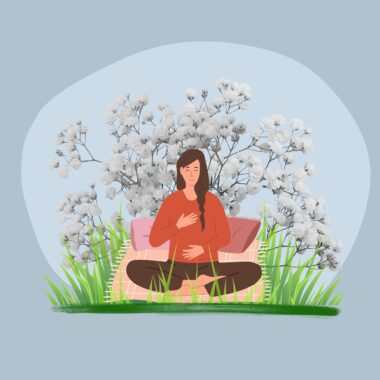
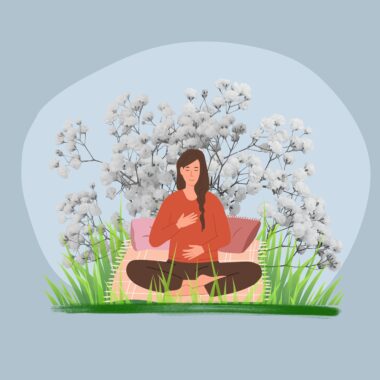
Diaphragmatic breathing, often referred to as deep breathing, plays a crucial role in establishing core stability. This technique involves engaging the diaphragm actively rather than relying solely on chest muscles for breath. When practicing this technique, one should lie down comfortably on their back with knees bent and feet flat on the floor. Place one hand on the chest and the other on the abdomen. Inhale deeply through the nose, ensuring that the abdomen rises while the chest remains relatively still. This expansion of the abdomen is indicative of effective diaphragm engagement. Exhaling through pursed lips allows for controlled deflation of the abdomen, reinforcing stability in the core. Practicing diaphragmatic breathing regularly enhances the body’s oxygen intake, promoting relaxation and stress reduction. This calm state can be particularly beneficial for individuals struggling with chronic tension or discomfort due to poor posture. Incorporating this technique into morning routines or short breaks throughout the day can cultivate a greater sense of body awareness, fostering the connection between breath, mind, and posture. With consistent practice, it encourages a more natural alignment of the spine.
Another beneficial breathing technique is 4-7-8 breathing. This method involves inhaling through the nose for a count of four, holding the breath for seven counts, and exhaling through the mouth for a count of eight. This sequence encourages relaxation and reduces tension during stressful situations. To practice 4-7-8 breathing, find a comfortable seated position. Focus on taking deep, full breaths, and maintain a good posture throughout the exercise. This technique not only improves respiratory function but also enhances core stability. By controlling the breath in this manner, individuals engage their core muscles, supporting the spine as they progress through their day. Additionally, the 4-7-8 technique has been shown to decrease anxiety and promote better sleep quality, which further aids in maintaining a healthy posture. Many individuals who consistently practice this technique report a more grounded sense of being and a heightened sense of awareness in their movements and posture. To implement this technique, allocate a few minutes daily for practice, gradually extending your breath counts as your comfort with the technique increases.
Box Breathing for Enhanced Stability
Box breathing, also known as square breathing, is another powerful technique that can boost core stability while promoting mindfulness. This approach involves a structured pattern of inhaling, holding, exhaling, and holding again, each for the same duration. Start by inhaling deeply for a count of four, holding your breath for another count of four, then exhaling for a count of four, followed by a breath hold of four counts before repeating the process. By integrating this breathing exercise into your routine, you cultivate a rhythmic harmony with your breath that resonates throughout your body. Box breathing helps train the body to respond to stress constructively while fostering a sense of tranquility. Deep, steady breathing strengthens the diaphragm and engages the entire core, facilitating better stability and posture. Many individuals find box breathing to be an excellent technique to prepare for challenging tasks or when facing stressful situations. Practicing this method regularly supports emotional regulation, further empowering individuals to maintain proper posture under pressure. It also enhances mental clarity, supporting overall wellness and focus.
Moreover, the practice of pursed-lip breathing is an effective method to support core stability and enhance posture awareness. This technique is particularly advantageous for individuals experiencing shortness of breath or those dealing with respiratory struggles. Pursed-lip breathing involves inhaling deeply through the nose and exhaling slowly through pursed lips. This process prolongs the exhale compared to the inhale, promoting relaxation and helping to prevent airway collapse during breathing. When practiced consistently, pursed-lip breathing activates deep core muscles, increasing the stability of the low back and pelvis during movement. To implement this technique, find a comfortable position and practice it throughout the day or during physical activities. Engaging the core during breath exhalation reinforces the connection between breath and posture. Enhancing lung function through pursed-lip breathing encourages smooth airflow and can also lead to better endurance during physical exertion. Regular practice allows for improved muscle control and awareness, which are key components of maintaining good posture throughout daily activities. Incorporating this technique into your wellness routine will enhance physical, mental, and emotional well-being.
Combining Breath Control with Movement
Incorporating breath control techniques into physical activities is highly beneficial for improving overall posture. When coupled with exercises such as yoga or Pilates, breath work serves to enhance core stability and support greater control over movements. In yoga, for instance, maintaining a steady breath throughout poses strengthens the connection between breath and body. This synergy fosters improved alignment and awareness, cultivating a strong and flexible core that stabilizes posture. During Pilates routines, breath work is equally essential, as engaging the core during inhalation and exhalation creates the necessary stability for performing complex movements. Together, breath control techniques and movement practices can considerably boost physical performance and prevent potential injuries. It offers the added mindfulness factor that resonates well with enhancing overall wellness. Practicing synchronized breath and movement fosters an innate sense of body awareness, allowing individuals to become more attuned to their postural needs. Furthermore, implementing these techniques regularly enhances athletic performance and daily functional movements, creating a more resilient and adaptable body ready to face challenges.
Finally, cultivating a habit of conscious breathing can lead to lifelong benefits for posture and core stability. Integrating the various techniques explored above into a daily practice can profoundly enhance overall health and well-being. Start by dedicating just five to ten minutes each day to practice one or more of these breathing techniques. As you grow more comfortable, increase the duration and frequency, making it a central aspect of your fitness journey. Consistency is key when it comes to developing core stability and improving posture through breath control. Consider incorporating these practices as part of your mindfulness or self-care routine, ensuring you create moments to reconnect with your breath throughout the day. Ultimately, these techniques can provide support during moments of stress, leading to better emotional resilience and physical health. Encourage continued exploration of personal breath control practices, celebrating progress and improvements as you cultivate a deeper connection with your body. Regularly practicing these techniques will not only refine your posture but also contribute to a healthier, balanced life.