
Effects of Dehydration on Children’s Cognitive and Physical Performance
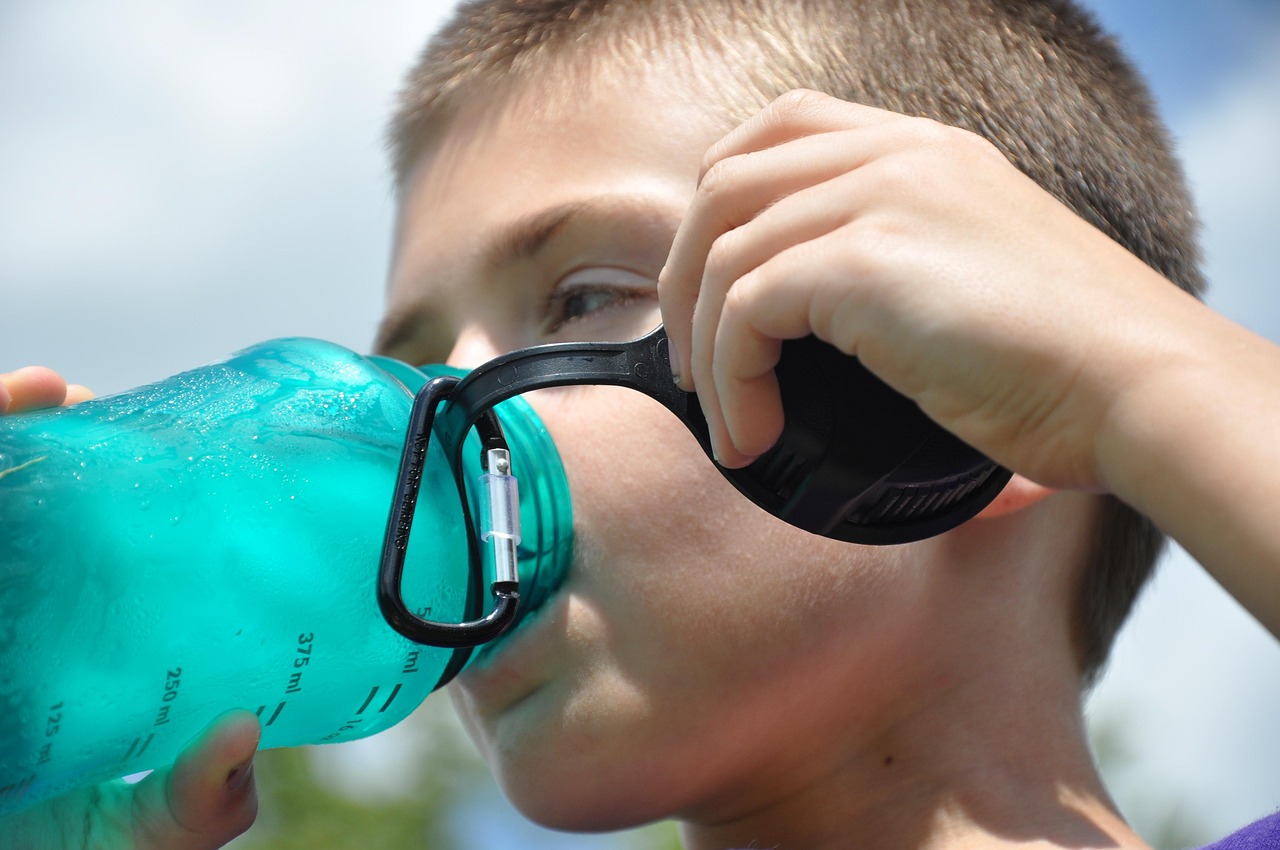
Dehydration is a major health concern for children, significantly impacting their cognitive and physical abilities. Children’s bodies are composed of approximately 60% water, which is essential for nearly all biological functions. When children experience dehydration, their physical performance may suffer dramatically. This can lead to fatigue, diminished strength, and overall poor physical health. Cognitive effects are also quite pronounced; dehydration can impair concentration and response time. Studies have shown that even mild dehydration can adversely affect mood and mental performance in children. Failing to maintain proper hydration can affect classroom performance and even contribute to behavioral issues. Children may become more impulsive and less capable of retaining information when they are not adequately hydrated. It becomes crucial for caregivers and educators to understand the signs of dehydration in children. This can range from dry lips and decreased urination to increased irritability. The best way to combat these effects is to promote regular water intake throughout the day, especially during physical activities. Hydration should be an integral part of children’s daily routines.
Dehydration can severely hamper children’s performance in school and during athletic activities. Cognitive functions rely heavily on adequate hydration, particularly memory, attention, and problem-solving skills. Studies demonstrate that dehydrated children perform worse on tests and tasks requiring mental effort and focus. They may also struggle with simple math or reading comprehension when hydrating inadequately. Moreover, physical performance is equally impaired; children may exhibit slower reaction times and decreased endurance during sports. Their bodies struggle to regulate temperature effectively, leading to increased risk of exhaustion or heat-related illnesses. It is vital for both parents and educators to facilitate regular access to water. Schools can contribute by ensuring water fountains are available and that children understand the importance of hydration. Teachers can help monitor children’s water intake and encourage short breaks for hydration, especially during hotter months. Parents should lead by example, modeling appropriate hydration habits at home. Furthermore, snacks comprised of fruits and vegetables with high water content can enhance daily hydration levels alongside regular water consumption. This combined approach can support both cognitive and physical health for children as they grow and learn.
Understanding the Signs of Dehydration
Recognizing the signs of dehydration in children can help prevent severe physical and cognitive impairments. Common symptoms include dry mouth, tiredness, and reduced urine output. Furthermore, irritability and headaches can be indicators that a child’s hydration levels are dropping. Children may also experience dizziness or confusion if severely dehydrated. Parents and educators must remain vigilant, especially during extensive physical activities, such as sports practices or outdoor play. A readily accessible water supply is crucial during these times. Establishing a routine that emphasizes the necessity of staying hydrated can significantly reduce instances of dehydration. Maintaining hydrated status should be a fundamental part of children’s activities, particularly in hot weather. Additionally, children may not recognize their thirst instinctively and might need reminders to drink water regularly. Educators can play a pivotal role in developing hydration-friendly environments by promoting water breaks between lessons and after recess. Encouraging the consumption of hydrating foods can supplement their water intake and fulfill their body’s requirements. Overall, identifying the symptoms of dehydration is vital for ensuring children’s physical and cognitive well-being.
Strategies to encourage hydration should be incorporated into children’s daily lives seamlessly. Educators and caregivers can create engaging methods to motivate kids to drink water more frequently. Visual cues like water bottles, colorful cups, or hydration charts can make drinking water fun and interactive for children. It is important to allow children to personalize their water containers, making them more inclined to use them. Setting specific hydration goals or games can also promote interest and engagement. Teachers can initiate hydration challenges, rewarding children for percentile goals reached. Besides water, various beverages, including milk and diluted fruit juices, can provide hydration benefits. However, sugary drinks should be limited, as they can contribute to other health issues. Additionally, incorporating hydrating fruits, such as watermelon and oranges into snacks, can encourage natural fluid intake. Active participation allows children to feel empowered in their hydration habits, leading to sustained interest and awareness throughout their daily routines. This strategy underscores that hydration should be both enjoyable and consistent. By making hydration a priority, children can better maintain their physical and cognitive performance in various settings.
Hydration Guidelines for Children
There are established hydration guidelines tailored specifically for children, which can serve as a useful reference for caregivers and educators. The Institute of Medicine suggests varying daily fluid intake for children based on their age, sex, and activity level. Children ages 4 to 8 should consume about 5 cups of fluids daily, whilst those aged 9 to 13 may need around 7 to 10 cups daily. These recommendations consider not only water but also other beverages and hydrating foods, which together contribute to fluid intake. It is crucial to adjust these recommendations according to activity levels; active children should drink more to compensate for fluid loss through sweat. Furthermore, during hot weather, the risk of dehydration increases, requiring heightened awareness and proactive hydration measures. Children should be encouraged to drink water before, during, and after any physical activities to ensure proper hydration status. Parents should monitor their kids’ fluid intake closely, particularly during summer and sports seasons. By adhering to these guidelines and fostering hydration habits, parents and educators can contribute to the overall health and performance of children.
In addition to following hydration guidelines, understanding the nuances of individual hydration needs is paramount. Each child is unique, and their hydration requirements may vary based on factors such as weight, health conditions, and environmental conditions. For instance, children with conditions such as diabetes may require more fluid than their peers. Similarly, involvement in intense sports can lead to increased hydration needs beyond standard recommendations. Monitoring behaviors like thirst levels, activity duration, and external temperatures can help provide insights into individual hydration needs. Offering children different beverage options can help keep them hydrated while also considering their preferences. Encourage children to listen to their bodies, fostering an understanding of their thirst signals. However, it is essential to provide guidance, ensuring children understand that thirst is not always a sufficient indicator of hydration necessity. Education plays a crucial role in shaping children’s perceptions of hydration, so discussions about the importance of water need to occur regularly. Equipped with knowledge and adaptable strategies, children can learn to prioritize hydration effectively.
Conclusion and Takeaway Messages
In conclusion, the effects of dehydration on children’s cognitive and physical performance cannot be understated. Maintaining adequate hydration is vital for optimal brain function and physical health. Awareness of dehydration symptoms can empower caregivers and educators to take proactive steps to ensure children stay hydrated throughout the day. By creating hydration-friendly environments within schools and at home, children will benefit from increased focus and energy. Parents and educators should collaborate to reinforce the importance of hydration while educating children about their unique hydration needs. Incorporating engaging strategies for fostering hydration, including fun water challenges and the integration of hydrating foods, will help children view hydration positively. By following established guidelines and recognizing the individualized needs of each child, families can support sustained healthy habits surrounding fluid intake. Water is not just a drink; it is a crucial component of overall health, learning, and performance for children. As caregivers, promoting proper hydration habits will directly impact children’s well-being. It is essential that everyone works towards ensuring that children understand their hydration requirements.
Ultimately, hydration strategies contribute to children’s overall health and cognitive development. Recognizing the role of hydration in supporting brain function and physical performance should be a priority for all. By fostering environments that prioritize water consumption, caregivers and educators can create a culture of well-being among children. Collaborative efforts can pave the way for innovative and exciting methods to encourage hydration. Simple changes can lead to significant improvements in children’s overall cognitive and physical health. Ensuring children are hydrated will provide them the opportunity to perform at their best, whether in academics or sports. The responsibility lies not only on the children but also on adults to guide and support them in their hydration journey. Advocacy for proper hydration should become an integral part of educational frameworks. Together, everyone can foster a healthy future for children by understanding and addressing the importance of proper hydration. The long-term benefits of promoting healthy hydration practices will undoubtedly shape children’s lives positively. Hydrated children are more likely to excel, both academically and athletically, leading to bright futures.