
Guided Meditation and Breathing for Lower Back Relaxation
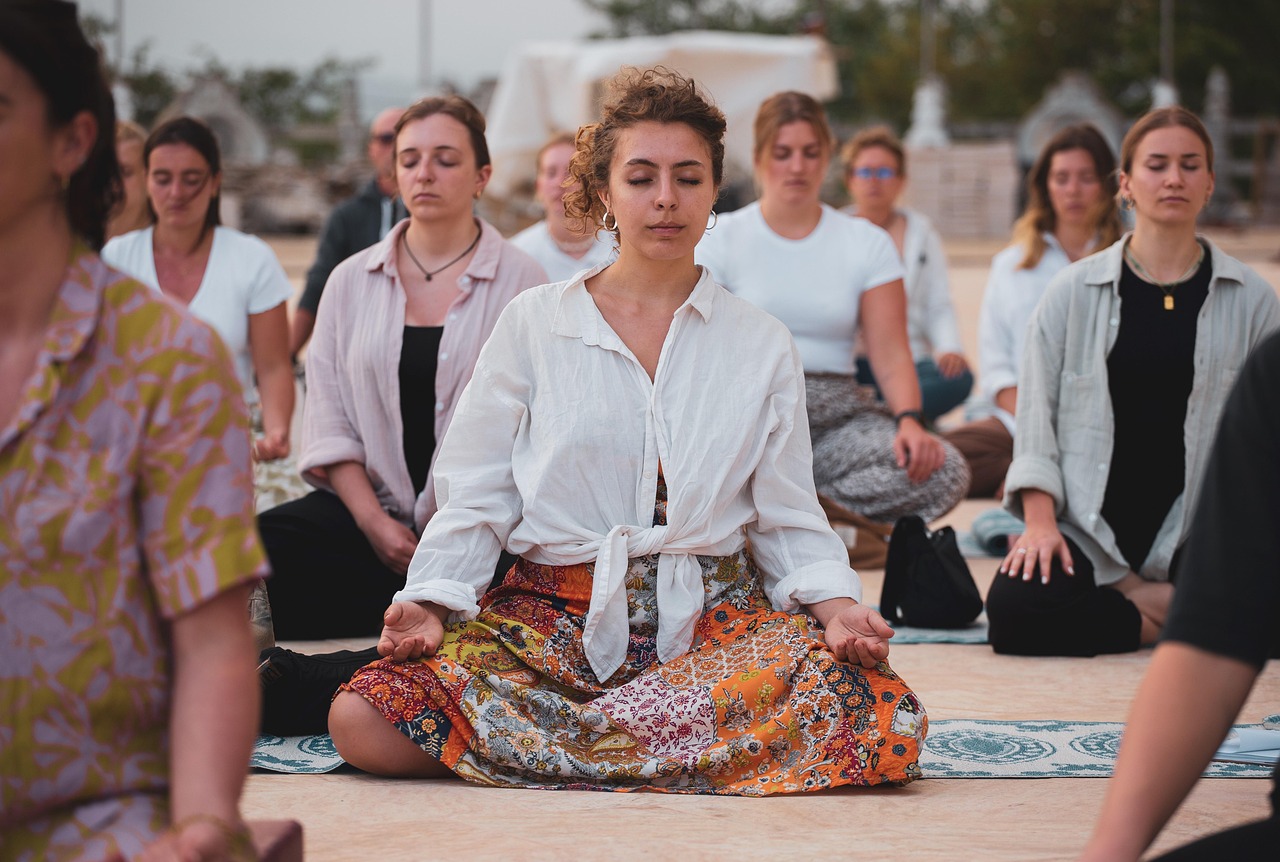
Lower back mobility is crucial for maintaining overall physical health and functional movement. Individuals often experience discomfort due to stiffness or tightness in this area. Guided meditation focusing on lower back relaxation can be a simple yet effective practice. The process begins with finding a comfortable seated or lying position. Take a moment to close your eyes, allowing your body to settle naturally. Ensuring your spine is aligned will enhance the benefits of this meditation. As you begin, focus on your breath, inhaling deeply through your nose and exhaling slowly through your mouth. With each breath, visualize tension leaving your lower back. A relaxed state allows for a deeper connection with your body. This simple exercise can alleviate pain and improve mobility effectively. In addition to meditation, gentle stretching can complement your practice. Incorporate movements like pelvic tilts, cat-cow stretches, or child’s pose to increase flexibility. Remember to listen to your body and adjust your movements as necessary. Regularly practicing these breathing techniques and stretches can contribute to significant mobility improvements over time.
Keeping a daily practice is beneficial for enhancing lower back mobility and comfort. Transitioning between meditation and physical activity helps improve flexibility and reduce stress, which can contribute to stiffness. Combine deep breathing exercises with gentle movements throughout your day. For instance, before rising in the morning or settling in for the evening, take 5 to 10 minutes for these practices. Mindful breathing also allows for better oxygen flow, supporting muscle relaxation. You may connect with your breath as tension dissipates with each exhale. To deepen your practice, consider incorporating mindfulness techniques. Focus on the sensations in your body during your breathing exercises. Are there any tight areas? Simply acknowledge them without judgment. Progress happens gradually and should be approached with patience and consistency. When engaging in guided meditation, visualize warmth spreading through the lower back. This image can enhance feelings of security and ease within your body. Listening to your body is essential. If discomfort arises, adjust your position or take a break. Ultimately, finding a flow that resonates with your body might create a stronger practice overall.
Benefits of Guided Meditation
The practice of guided meditation offers numerous benefits for lower back discomfort and mobility. It allows individuals to tap into their body awareness, which can be empowering. Focusing on the lower back during meditation can lead to a greater understanding of personal tension, enabling individuals to make informed adjustments. As this connection deepens, it often leads to increased relaxation within the muscles affected by stress. Improved mental clarity can also result from regularly engaged practices. You may find that clear thoughts and calmness lead to less muscle tension overall. Another essential benefit is the potential to enhance one’s pain tolerance. It’s vital to recognize that pain often contains a mental component; by focusing on breathing and relaxation techniques, one may redefine their relationship with discomfort. Furthermore, guided meditation promotes a holistic approach to body health. It can complement other forms of treatment such as physical therapy or chiropractic adjustments. Many practitioners encourage their clients to utilize both traditional and alternative methods to achieve outstanding results. The overall goal is to foster a lifetime of improved mobility and well-being.
Years of tension in the lower back can create deep-seated patterns of stress and discomfort. By engaging with techniques like mindful breathing and meditation, individuals can soften the grip of these patterns. The brain retains memories of pain, affecting the body’s responses. Incorporating mindful practices can help rewire these responses, leading to transformative improvements over time. It’s essential to remain consistent in your practice. Building a solid foundation means beginning with short sessions, gradually increasing the duration and complexity of your practice. Over time, deeper states of relaxation will become accessible, leading to greater awareness of physical sensations. Additionally, exploring different guided meditation formats can enhance your experience. Numerous apps and online platforms offer a variety of sessions designed for different skill levels. Experiment with these to discover which resonates best. Some may prefer soothing music, while others might thrive on nature sounds. Explore and find your optimal environment for practice. Consistency in setting an intention for each session, such as focusing on specific areas of discomfort, can develop a more profound impact on improvement.
Breathing Techniques and Their Impact
One crucial aspect of guided meditation for lower back relaxation revolves around effective breathing techniques. The way one breathes can significantly impact the body’s ability to release tension and enhance flexibility. Diaphragmatic breathing, for example, allows for deep inhalation and exhalation. As you breathe into your belly, the diaphragm moves down, encouraging a fuller breath. This technique engages the core muscles and lowers stress levels simultaneously. Use this method during stretches for better results. Breathing in for a count of four, holding for four, and exhaling for eight can calm the nervous system. This rhythm promotes a state of relaxation, making physical movement even more effective. In addition to traditional breath techniques, visualizations can aid in the practice. Picture your breath as a warm wave gently washing over your lower back muscles, loosening them with every exhale. Creating these mental images can positively enhance your meditation practice. Remember to integrate these breathing exercises into daily life, not just during sessions. Practice mindful breathing during routine activities to cultivate comfort and ease consistently.
Integrating relaxation techniques into your lifestyle can significantly promote lower back mobility. Consider allocating specific times for your breathing exercises or meditative sessions. Setting reminders can help create a routine that holds you accountable. Flexibility doesn’t just rely on physical practices; mental health plays an equally vital role. Allow your emotional well-being the attention it deserves, as stress directly impacts bodily tension. One method of creating emotional resilience is through journaling. Writing down thoughts or feelings can provide insight into stressors, allowing the release of pent-up energy. Engaging in creative activities such as art or music can also be beneficial, offering another outlet for expressing emotions. Additionally, staying hydrated supports overall muscle function and elasticity in the body. Pair your meditation practice with increased water intake to enhance results. Eating whole foods, rich in nutrients, aids in recovery and healing, significantly impacting mobility. Finally, always listen to your body’s cues. Some days may require additional rest or gentle movement. Be mindful and compassionate towards yourself, allowing flexibility and mobility to develop naturally over time.
Conclusion
Achieving improved lower back mobility through guided meditation and breathing techniques is an ongoing journey that requires patience and commitment. Remember that everyone’s experience is unique; what works for one individual may not work for another. Embrace the process, remaining open to changes and adjustments as necessary. Take time to celebrate small victories in your progress, acknowledging each step along the way. As individual awareness continues to grow, the body often responds positively to these efforts. Explore more on integrated mind-body practices for a comprehensive approach to mobility improvement. Understanding the mind-body connection paves the way for better long-term results. Incorporating variety keeps the practice enjoyable, preventing burnout. Seek support from experienced instructors or online credible resources if needed. Furthering your education on pain management, mobility, and relaxation will only benefit your journey. Ultimately, the goal is to create a soothing space that fosters peace, healing, and flexibility. Commit to your self-care routine wholeheartedly. In doing so, you invest in not only your physical health but also your mental and emotional well-being, forging a path toward a healthier, more flexible future.
This completes our exploration of guided meditation and breathing techniques designed specifically for lower back relaxation. May you find peace and mobility in your daily practices.