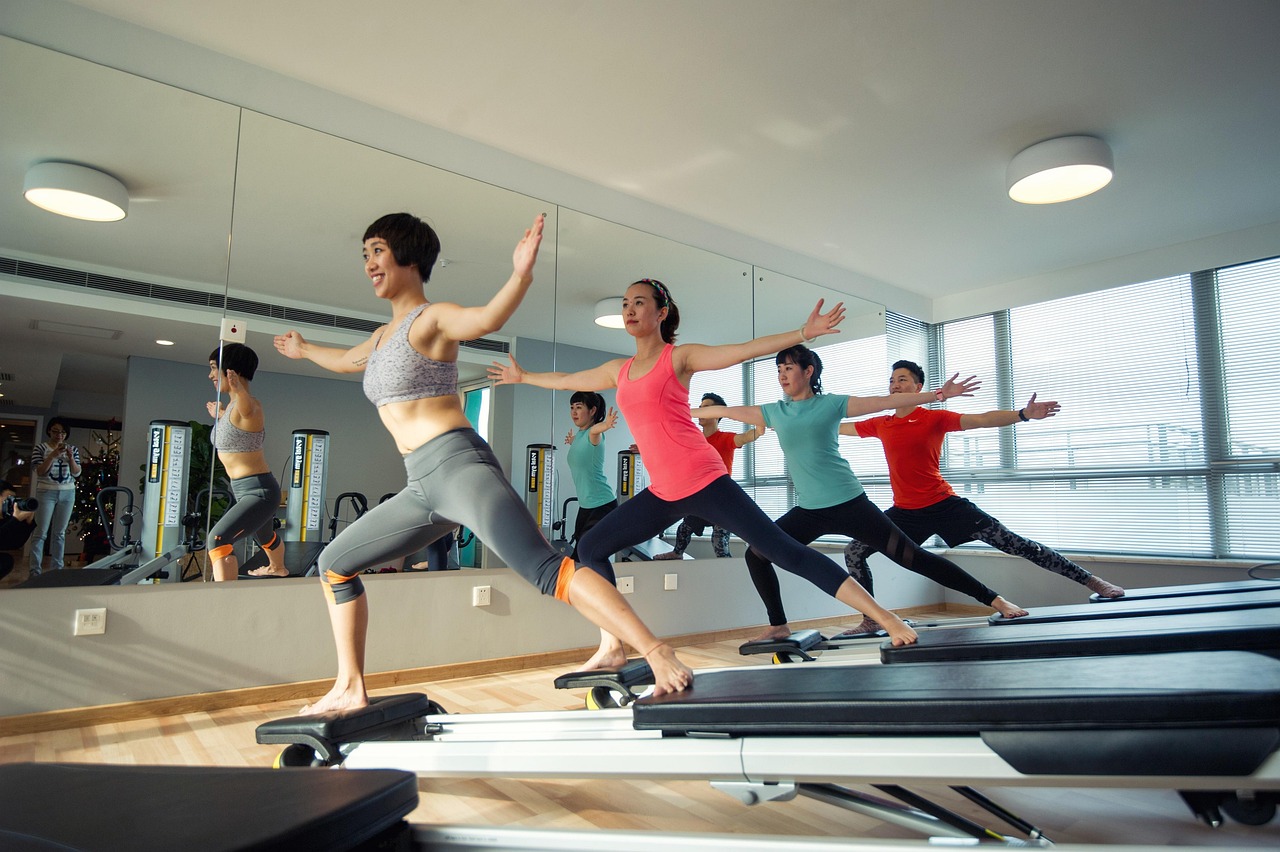

How Pilates Enhances Spinal Mobility and Reduces Stiffness
Pilates is an exceptional method for enhancing spinal mobility, effectively addressing stiffness and discomfort in the back. The foundation it provides engages the core, ensuring that the spine maintains its natural curvature while strengthening the surrounding muscles. With consistent practice, participants notice a difference in their flexibility and overall body alignment, leading to improved spinal health. The controlled movements practiced in Pilates are particularly beneficial, focusing on slow, deliberate exercises that increase mobility gradually. These movements can significantly benefit anyone, especially those suffering from back pain or tension. The emphasis on stabilizing the pelvis and ribcage helps prevent common issues related to poor posture and lack of flexibility. Moreover, regular Pilates practice fosters mindfulness, teaching deep breathing techniques that enhance relaxation and reduce tension in the spine. With an emphasis on coordination between mind and body, practitioners learn how to move efficiently and effectively. This is crucial for anyone who wants to maintain a healthy back and prevent future injuries. Thus, incorporating Pilates into a routine can be advantageous for achieving a more resilient back and promoting overall physical well-being.
Another critical aspect of Pilates is its adaptability, making it suitable for individuals of all fitness levels. Beginners can easily start with modified versions of exercises, while experienced practitioners can challenge themselves with more advanced movements. This versatility ensures that everyone can benefit from the positive impact of Pilates on spinal health. As practitioners become familiar with core engagement, muscle control, and breath synchronization, they can develop greater awareness of their bodies. This mindful practice reduces the risk of injury and enhances functionality in daily activities. Through Pilates, individuals can improve their posture, which significantly contributes to spinal alignment. Well-aligned positions lessen the strain on the back, promoting optimal spinal function. This becomes particularly useful for those who spend long hours sitting, whether at work or during leisure. Regular participation in Pilates classes can empower practitioners to take charge of their health, fostering a proactive approach to back care. Additionally, joining a Pilates community can offer motivation and encouragement, creating a support system that reinforces commitment to fitness and wellness. When combined with other therapeutic practices or rest days, Pilates proves to be a valuable asset for spinal health.
The Role of Core Strength in Spinal Mobility
Core strength is a fundamental element in enhancing spinal mobility through Pilates. A strong core supports the spine, allowing for improved movement in the back and reducing the risk of injury. The core encompasses more than just the abdominal muscles, including the back, hips, and pelvic region. When these muscles work in harmony, they provide stability and facilitate better mobility of the spine. Pilates exercises specifically target these muscle groups, engaging them in ways that promote strength and flexibility. This is achieved through a variety of movements that challenge the core while simultaneously promoting spinal alignment. As practitioners develop their core strength, they notice improvements in their overall posture and reduction of back discomfort. Furthermore, planks, bridges, and other core-focused exercises commonly found in Pilates routines aid in increasing spinal mobility. By focusing on the breath, practitioners can enhance their core engagement, leading to more effective movements. Consequently, the combination of core strengthening exercises and mindful breathing not only promotes spinal health but also contributes to overall athletic performance and daily function.
Incorporating specific Pilates exercises into a routine can effectively target areas of stiffness and tension within the back. Moves such as the Swan, Cat-Cow, and Spine Stretch not only enhance flexibility but also strengthen the back muscles. These targeted exercises allow for a gentle expansion of the spine, encouraging lengthening and relieving tightness. Couple these movements with controlled breathing to further maximize relaxation and release tension. As practitioners progress, they become more attuned to how their bodies feel during these exercises, allowing them to modify and adjust as needed. Additionally, the use of props such as foam rollers or resistance bands can add variety and challenge to the workout. These tools facilitate deeper stretching and engagement of the spinal muscles, leading to improved overall flexibility. Furthermore, Pilates encourages participants to maintain a relaxed mind, making it easier to connect with their bodies throughout the practice. This holistic approach towards fitness empowers individuals to use Pilates not only as a means to enhance spinal mobility but also promotes mental clarity and emotional balance.
Injury Prevention and Rehabilitation
One of the key benefits of Pilates is its effectiveness in preventing injuries, particularly in the back. The low-impact nature of Pilates exercises allows individuals to strengthen their muscles without placing excessive stress on the spine. This is particularly valuable for individuals recovering from previous injuries or dealing with chronic back pain. The emphasis on controlled movements teaches practitioners to perform exercises with correct form, minimizing harmful strains on the back. With a proper foundation and technique, infection and aggravation of existing injuries can be significantly reduced. Additionally, focusing on spinal mobility through Pilates helps improve range of motion, making it easier for the body to move correctly. As individuals become stronger and more aligned, they can engage in other physical activities with a lower risk of injury. For those in rehabilitation, a tailored Pilates program can be a gentle yet effective way to regain strength and stability in the back. Ultimately, this makes Pilates an exceptional approach to both injury prevention and rehabilitation, allowing individuals to enjoy movement without fear or discomfort.
Moreover, Pilates promotes a holistic approach to health, blending physical strengthening with mental wellness. Practicing mindfulness during Pilates sessions allows individuals to focus on their breathing and the sensations in their bodies. This heightened awareness can lead to better decision-making in regard to lifestyle and wellness choices. Participants often notice an improvement in their overall mood and stress levels as they engage in their Pilates practice. The calming environment of a Pilates studio also significantly contributes to mental health benefits. Regular practitioners might find themselves more resilient in handling daily stressors, contributing to an overall sense of well-being. Moreover, the community aspect of group classes helps foster connections, offering emotional support from others with similar health goals. This social engagement further promotes mental health, as individuals do not navigate their journey alone. By incorporating these elements into Pilates practice, individuals can cultivate a more balanced lifestyle. Consequently, this combination of physical and mental health benefits positions Pilates as an effective tool for sustainable back care and overall wellness.
Conclusion: The Lasting Impact of Pilates on Spinal Health
In conclusion, the positive effects of Pilates on spinal mobility and back health cannot be overstated. The combination of core strengthening, mindful movement, and injury prevention strategies creates a well-rounded approach to spinal flexibility. Regular practice can lead to lasting improvements in posture, pain reduction, and enhanced range of motion. Participants learn to move through life with greater ease, promoting an active lifestyle. Moreover, the holistic benefits extend beyond physical health, helping individuals develop a stronger connection between their body and mind. As they embrace mindful practices, they gain awareness that translates into other areas of their lives. This newfound knowledge also encourages individuals to adopt healthier habits, ultimately leading to a better quality of life. Pilates empowers individuals not only to improve their spinal health but also to embrace a comprehensive approach to well-being. By committing to a regular Pilates practice, individuals can look forward to greater joy in movement, an enriched understanding of their bodies, and a proactive stance against back-related issues. Overall, incorporating Pilates into one’s fitness regimen proves to be a worthwhile investment in long-term health and wellness.
Exploring the transformative effects of Pilates on spinal health is essential for anyone seeking relief from back discomfort. As practitioners delve into this practice, they discover the engaging and dynamic approach to enhancing spinal mobility. With commitment and practice, individuals can harness the benefits of Pilates to experience a profound shift in their physical and emotional well-being.