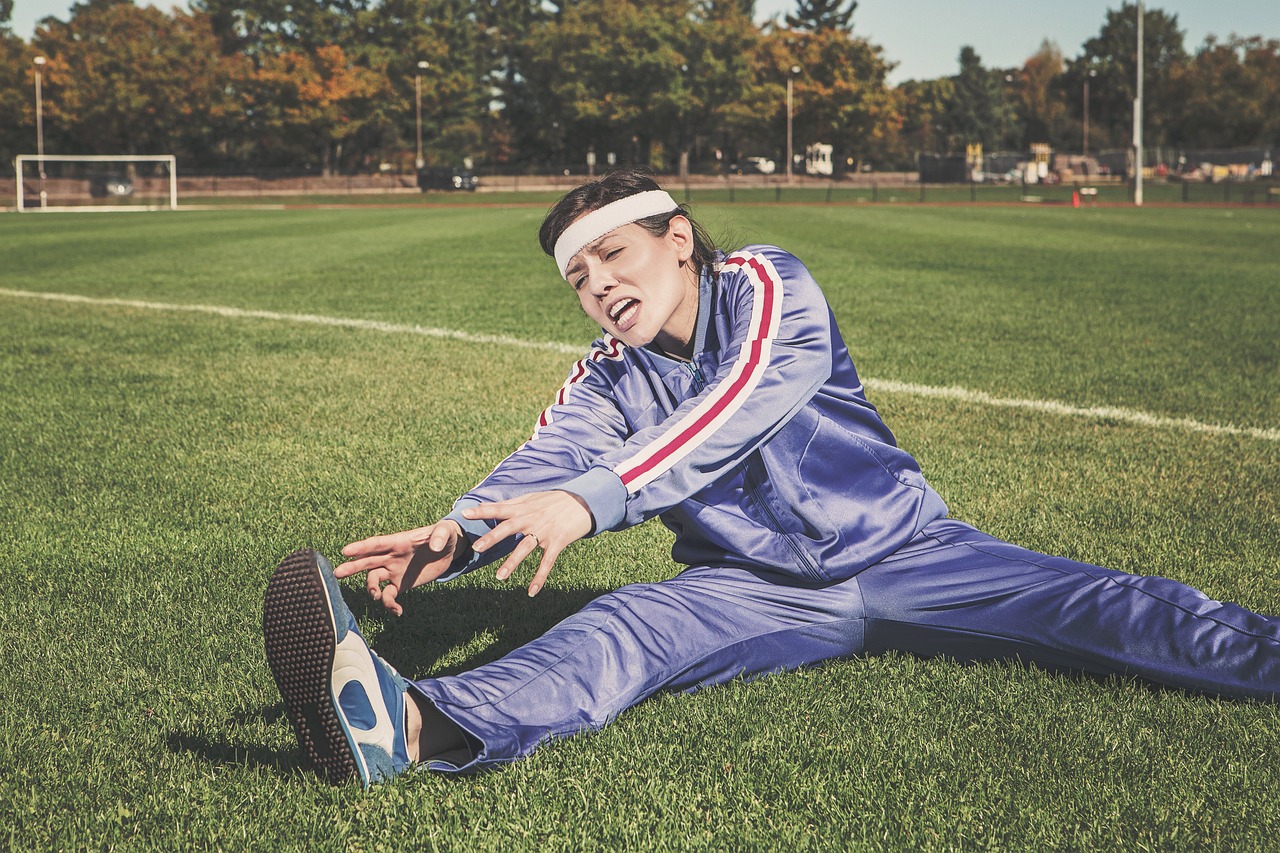

How Static Stretching Impacts Muscle Elasticity and Performance
Static stretching is a commonly practiced technique in the world of athletics, aiming to enhance flexibility and improve overall performance. It involves holding a muscle at its maximum stretch for a specific duration, typically between 15 to 60 seconds. This practice is believed to increase muscle elasticity and range of motion, which are critical components for athletes seeking optimal performance. Studies suggest that static stretching can positively influence the mechanical properties of muscle, thereby increasing its elasticity. Enhanced elasticity allows muscles to absorb and release energy more effectively, contributing to improved performance in various sports. Furthermore, incorporating static stretching into a regular training regimen may help to prevent injuries, as more elastic muscles are less susceptible to strains and tears. Athletes who effectively utilize static stretching often report improved post-exercise recovery times. Additionally, static stretching can also serve as a mental preparation tool, allowing athletes to focus and mentally engage before competitions. Overall, the physiological benefits of static stretching make it a valuable practice in enhancing athletic capabilities and promoting long-term physical health.
Incorporating static stretching into a training routine should be approached with care and consideration. While there are numerous benefits, understanding the timing and context of stretching is essential. Research indicates that performing static stretches prior to high-intensity activities might temporarily reduce strength and power output, placing athletes at risk of suboptimal performance. Thus, many trainers recommend performing static stretches during the cool-down phase rather than before the actual performance. This practice helps in facilitating muscle recovery and gradually returning to a resting state post-exercise. It is essential for athletes to differentiate between static and dynamic stretching as well, as the latter is often preferred for warm-up routines. Dynamic stretching engages muscles through controlled movements, which prepares the body for the rigorous demands of competitive activities. Therefore, a well-balanced approach that includes both static and dynamic stretches may yield optimal performance outcomes. Research has shown that athletes incorporating both forms of stretching report increased overall flexibility, strength gains, and better performance metrics. Thus, timing and the selection of stretching types should be integral components of an athlete’s training regimen.
The Role of Muscle Elasticity
Muscle elasticity plays a significant role in athletic performance, serving as the foundation for explosive movements such as jumping and sprinting. Elasticity refers to the ability of muscles to stretch and return to their original shape, facilitating effective energy storage and release during physical activities. When muscles exhibit high elasticity, they can perform better by providing quick and powerful contractions. This is particularly important in sports that require short bursts of speed and agility. Static stretching directly impacts muscle elasticity by lengthening muscle fibers and tendons, allowing them to operate more efficiently. Moreover, research indicates that athletes with superior muscle elasticity tend to experience less muscle fatigue and soreness, leading to improved performance and reduced downtime between training sessions. A well-structured static stretching routine may contribute to enhanced overall athletic durability, enabling athletes to sustain peak performance levels over more extended periods. In addition, the benefits of enhanced muscle elasticity extend beyond athletic pursuits, promoting increased flexibility and coordination in everyday movements. Thus, understanding the importance of muscle elasticity can significantly influence training methods and performance outcomes for athletes.
Static stretching can also enhance blood circulation, playing a crucial role in muscle recovery and performance enhancement. Improved blood flow increases the delivery of oxygen and nutrients to the muscles while aiding in the removal of metabolic waste products. This increased circulation can help reduce muscle soreness and stiffness after strenuous activities. Furthermore, static stretching stimulates the production of synovial fluid—a lubricating fluid found in joints—which aids in joint flexibility. This is particularly beneficial for athletes who engage in high-impact or repetitive sports, as joint health is vital for long-term performance. Additionally, static stretching creates an opportunity for athletes to focus on breathing techniques, which can further enhance relaxation and mental focus. Engaging in deep breathing while stretching can promote a state of mindfulness, enabling athletes to mentally prepare for their upcoming activities. Research highlights that athletes who incorporate static stretching not only experience physical benefits but also mental clarity that can significantly impact performance. Consequently, establishing a consistent static stretching routine can provide both physiological and psychological advantages, thereby enhancing overall athletic performance.
Practical Tips for Effective Static Stretching
For athletes to reap the maximum benefits of static stretching, specific strategies should be utilized during their routines. First, it is essential to focus on major muscle groups, including the hamstrings, quadriceps, calves, and hip flexors. Targeting these areas can yield comprehensive flexibility and performance improvements in a majority of sports. Additionally, maintaining proper form and technique is critical to avoid the risk of injury; athletes should avoid bouncing or jerking movements while stretching. Instead, a smooth, controlled approach is necessary for optimal effectiveness. Another key aspect is ensuring that each stretch is held for an adequate duration—typically between 15 to 60 seconds—to properly elongate the muscle fibers. It is also advisable to incorporate a variety of stretches to address different areas of the body. Athletes should aim to perform static stretches when the muscles are warm, preferably after workouts or in conjunction with dynamic warm-up exercises. Finally, consistency is vital; integrating static stretching into regular training can produce cumulative benefits over time, ensuring continuous improvement in elasticity and overall performance.
Another valuable aspect of static stretching is its contribution to injury prevention among athletes. When muscles are adequately stretched, they become less prone to strains, tears, and other injuries. Static stretching enhances flexibility, ensuring that muscles can cope with the stresses and strains associated with athletic activities. Various studies indicate that athletes who regularly engage in static stretching routines exhibit significantly lower rates of injury compared to those who do not. A robust stretching regimen can also improve muscle recovery by promoting relaxation and reducing residual tension in the muscles. This contributes to a quicker recovery time, allowing athletes to return to training or competition more rapidly. Additionally, static stretching can serve as a preventative measure against common athletic injuries, such as pulled hamstrings or shin splints. However, it is important to note that static stretching should be used in combination with other injury prevention strategies, such as strength training and proper warm-up exercises. To maximize effectiveness, athletes should work closely with coaches or trainers to develop a comprehensive stretching program tailored to their individual needs and performance goals.
Conclusion
In conclusion, static stretching serves as an effective tool for improving muscle elasticity and enhancing athletic performance. By incorporating static stretching into training, athletes can experience a range of benefits, from improved flexibility and enhanced muscle recovery to reduced risk of injury. Understanding the appropriate timing, duration, and types of stretches can significantly contribute to maximizing performance outcomes. Athletes are encouraged to adopt a holistic approach that includes both static and dynamic stretching techniques, ensuring a well-rounded routine. Furthermore, recognizing the importance of muscle elasticity can underline the need for careful attention to stretching practices in athletic training. As research continues to evolve in this area, the synergy between static stretching and athletic performance will likely become even clearer. Therefore, to achieve their full potential, athletes should prioritize static stretching as a fundamental aspect of their overall training regimen. With consistent practice and applications, static stretching can be a transformative element in an athlete’s journey toward achieving peak performance and reduced injury risks.
Moreover, static stretching positively influences the psychological state, leading to heightened performance confidence. Engaging in a structured stretching routine may allow athletes to familiarize themselves with their bodies, promoting self-awareness and body control. When athletes feel more in tune with their muscles and joints, they experience reduced anxiety and increased focus during performances. Studies support the notion that enhanced body awareness through stretching can contribute to improved coordination and balance, essential elements for athletic success. Ritualistic stretching practices may become an effective technique for injury prevention as well. Developing a pre-performance routine that includes static stretching not only prepares the physical body but also prepares the mind for upcoming challenges. Additionally, athletes may form a stronger connection with their sport, fostering an emotional investment in their performance. Ultimately, integrating static stretches leads to a comprehensive approach that embraces both physical and mental readiness. To maximize the benefits, athletes should advocate for proper education regarding effective static stretching techniques. Working under professional guidance can refine the approach, ensuring both physical and psychological improvements are attained effectively.