
Recognizing and Managing Exercise-Induced Asthma
Exercise-Induced Asthma (EIA) can pose a significant challenge for those who enjoy physical activity. This condition occurs when the airways narrow during or after exercise, leading to symptoms such as wheezing, coughing, chest tightness, and shortness of breath. It’s crucial for individuals, especially athletes, to recognize these symptoms early on. Despite awareness, many people may overlook the signs or chalk them up to fatigue or exertion. However, understanding EIA is essential to successfully managing it. Factors that contribute to EIA include cold air, high pollen counts, air pollution, and strenuous activities, especially in dry conditions. Being informed can empower individuals to take preventive measures to mitigate these triggers. Charting one’s exercise environment, noting the conditions, can help in identifying patterns. Keeping a detailed diary of symptoms can also be beneficial. Over time, individuals can track how their asthma symptoms correlate with various exercises. This data allows for informed discussions with healthcare providers, which facilitates the creation of personalized management plans. Ultimately, awareness and understanding of one’s personal triggers pave the way for healthier exercise experiences.
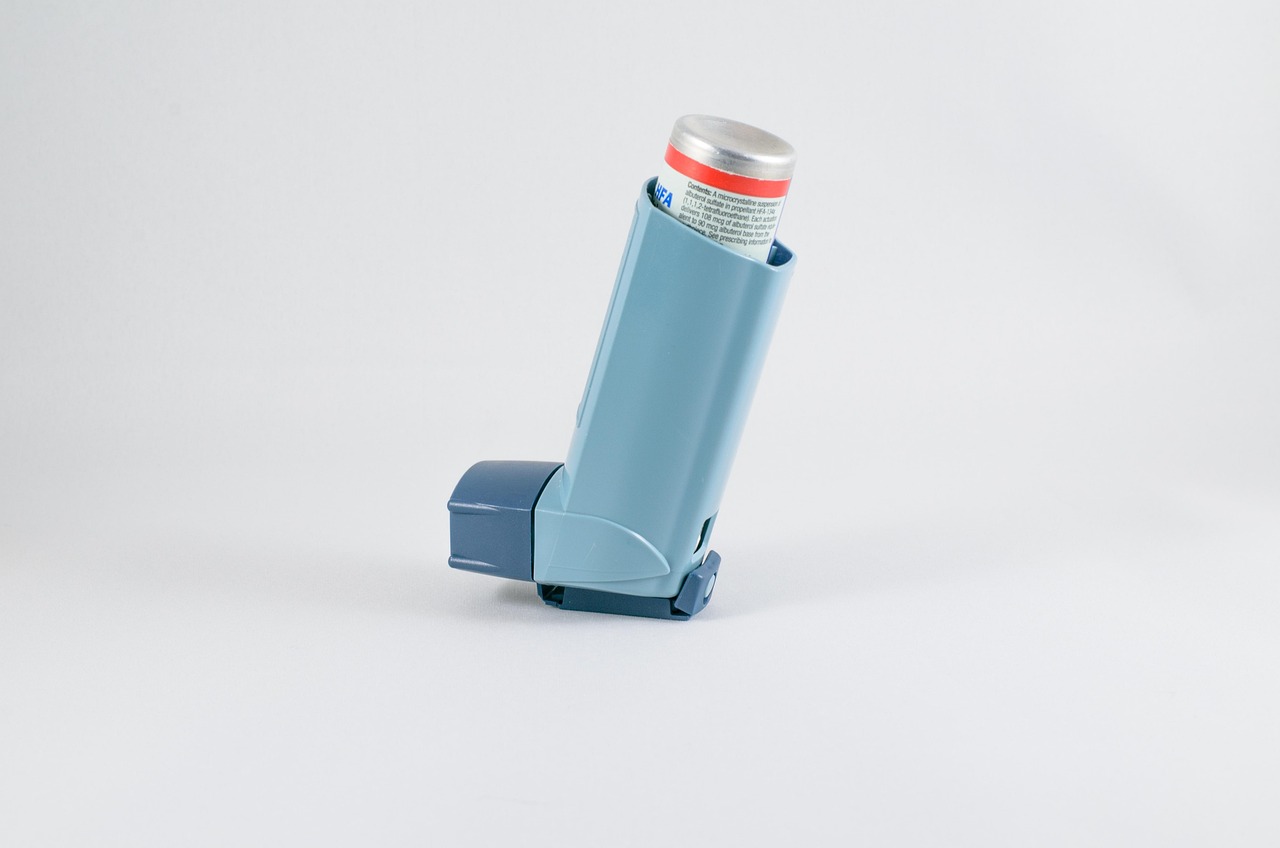
Effective management of Exercise-Induced Asthma often starts with proper preparation and planning before engaging in physical activities. This includes consulting healthcare professionals to evaluate one’s condition and create a tailored action plan. Asthma medication, particularly bronchodilators, can be a fundamental aspect of this strategy. These medications help open airways and ease breathing during exercise. It’s advised that individuals use their inhalers as prescribed, often 15 to 30 minutes prior to working out. Additionally, warming up before engaging in strenuous exercise is vital. Initiating activity gradually can minimize the risk of asthma symptoms escalating during high-intensity workouts. Individuals should also consider wearing a scarf or mask over their mouth when exercising in cold weather to help warm and humidify the air before it enters the lungs. Alongside physical preparations, staying hydrated and avoiding exercise in high-pollution areas is essential. Furthermore, awareness of the surrounding environment can greatly affect asthma management. When pollen counts are high, switching workout routines to indoor settings can significantly reduce the likelihood of triggering an asthma event.
In addition to medication and environmental considerations, breathing techniques play an essential role in managing exercise-induced asthma. Learning and practicing specific breathing exercises can help individuals control their breathing rhythm during physical activity. Techniques such as pursed lip breathing and diaphragmatic breathing can be beneficial. These methods help to increase lung capacity and improve oxygen flow. Practicing these techniques outside of exercise can help solidify these habits for times of need. Joining group classes like yoga can also offer great strategies for managing breath, thus improving overall lung function. It’s beneficial for individuals with EIA to engage in low-impact exercises such as swimming, walking, or cycling. These exercises tend to have a lower incidence of inducing asthma symptoms. Moreover, incorporating strength training into the routine can enhance overall fitness and respiratory function. Partnering with knowledgeable trainers or coaches who understand the implications of EIA can also facilitate a safer workout experience. Individualized exercise plans can make a significant difference in adherence and overall enjoyment of physical activities. Ultimately, the right strategies can allow those with EIA to enjoy an active lifestyle without compromising their safety.
Recognizing Triggers
Understanding the specific triggers that might invoke exercise-induced asthma is equally essential for effective management. While environmental factors play a pivotal role, personal habits can also contribute. Identifying patterns—is crucial to developing a reliable strategy for when asthma symptoms arise. For instance, individuals might notice symptoms increasing based on weather changes, pollution levels, or allergies. Keeping track of these conditions can greatly assist in planning when and where to exercise. Some people find that vigorous outdoor workouts exacerbate their symptoms, while others may tolerate them better in milder conditions. On days with heightened allergens, such as high pollen counts, it may be more prudent to opt for indoor workouts. Heat and humidity can also trigger asthma symptoms in certain individuals. Therefore, monitoring weather reports and adjusting exercise times accordingly will ensure better management of their condition. Joining a local support group can provide further insights into managing triggers effectively. Engaging with others experiencing similar situations can foster community and share valuable experiences, enhancing coping mechanisms in challenging conditions.
Education is vital in managing exercise-induced asthma, not only for individuals but also for coaches and peers in sports and fitness settings. Health and fitness professionals trained in asthma management can significantly support individuals with EIA by ensuring proper techniques are practiced and considered during sessions. Coaches need to understand the implications of EIA to provide reasonable accommodations for affected athletes, such as adjusting practice intensity or scheduling recovery breaks. Moreover, it’s pivotal to normalize discussions surrounding asthma within teamwork settings. Greater awareness can reduce stigma and foster a supportive culture among teammates. Additionally, first-aid education regarding asthma management should be encouraged across all team-related environments. Friends and family can play a supportive role, assisting in monitoring symptoms and encouraging adherence to action plans and medication use, along with helping with emergency preparedness. Creating an environment where everyone is informed on how to assist if an asthma event occurs can be life-saving. Educational sessions or workshops can strengthen knowledge about asthma triggers, enabling wider understanding and empathy when engaging in physical activities.
Conclusion
In conclusion, recognizing and managing exercise-induced asthma requires a proactive and informed approach. Individuals need to understand their personal triggers, adequately prepare for exercise, and utilize effective breathing techniques. Collaboration with healthcare professionals forms the backbone of successful asthma management. Having a personalized action plan is essential, allowing for modifications during workouts based on environmental factors. Awareness plays a significant role—individuals must stay informed about their surroundings and adapt accordingly. Support from coaches, friends, and the community enhances coping mechanisms and encourages a healthier, supportive environment for all. Dealing with EIA does not mean the end of physical pursuits; rather, it invites new exercises and adaptations to traditional workout methods. With diligence, exercise-induced asthma can be effectively managed, allowing individuals to engage in physical activities they love without the burden of fear or anxiety over potential asthma events. Empowering oneself through knowledge and shared experiences can lead to an active lifestyle filled with enjoyment and satisfaction. Remember, maintaining open communication with healthcare providers, and friends can drastically improve the quality of life for those dealing with asthma while exercising.
Taking the time to understand the multifaceted nature of exercise-induced asthma also encourages exploration of alternative physical activities that are less likely to provoke symptoms. Finding enjoyment in suitable low-impact exercises can foster long-term commitment to maintaining fitness. Activities such as yoga or Pilates, for example, not only enhance physical flexibility but also encourage mindful breathing and body awareness. This holistic approach to fitness helps to mitigate not only asthma symptoms but also contributes positively to overall well-being, significantly enhancing life quality. Additionally, the emotional and psychological components of managing an asthma condition shouldn’t be neglected. Individuals often benefit from counseling sessions that develop healthy coping mechanisms for dealing with anxiety related to EIA. Mental resilience plays a vital role in effectively handling asthma symptoms while engaging in physical activities. Sharing experiences with others who understand can also relieve some of the emotional stressors linked to fitting in while managing EIA. By taking such comprehensive steps, those living with EIA can find joy in physical activities while effectively managing their symptoms. After all, knowledge is power, and it can drastically improve one’s quality of life.
Lastly, implementing regular check-ups with healthcare providers can serve as a proactive measure in tracking the effectiveness of management strategies. Adjustments may be necessary over time based on symptom changes or shifts in personal health. Continuous education on the evolving understanding of asthma can help individuals feel empowered. Furthermore, research advancements continually shape the understanding of exercise-induced asthma, guiding tailored treatment plans towards enhanced effectiveness. Staying updated on recent discoveries in asthma management may yield new treatment options or alternative medications that could improve symptom control. Engaging with credible online platforms or agenciesthat focus on asthma education may provide resources to bolster personal management strategies. This comprehensive approach paves the way for a healthier lifestyle regardless of the limitations posed by exercise-induced asthma. Incorporating these strategies can increase physical performance while enhancing personal safety. Ultimately, the blend of medical, educational, and emotional aspects for navigating EIA can create a positive exercise experience, promoting long-lasting engagement in physical activities. The journey toward managing exercise-induced asthma is multifaceted, requiring understanding, readiness, and a supportive community to succeed.