
Sports-Based Challenges That Improve Kids’ Overall Fitness
Introducing fun fitness challenges for kids is a fantastic way to enhance their physical health. Incorporating engaging sports-based activities not only improves fitness levels but also fosters teamwork and social skills. By participating in challenges that integrate elements of sports, children can develop crucial motor skills. Activities such as relay races and obstacle courses provide a structured way to exercise while encouraging friendly competition. It’s essential to design challenges that cater to various skill levels. This ensures every child feels included and motivated to participate. Moreover, setting achievable goals can boost their self-esteem. Kids can work in teams to complete different exercises, making it a social event. Incorporating play into fitness challenges can help change the perception of working out from a chore to an enjoyable activity. Coaches and parents can create a schedule and set time limits for each challenge, adding an extra layer of excitement. The goal is not just fitness; it’s about creating a positive association with exercise that lasts a lifetime. With proper guidance and diverse activities, we can instill the values of health, fitness, and teamwork in our children.
Relay Races: Speed and Teamwork
Relay races are an excellent option for kids as they combine speed and teamwork in a fun and lively atmosphere. Teams of children can compete against each other, sparking an exciting sense of competition among them. This encourages not only physical exertion but also develops strong bonds as they work toward a mutual goal. A race can include varied activities such as running, hopping, or even skipping, which makes the event more thrilling. Kids can rotate roles within their teams, allowing everyone to take part and contribute, promoting teamwork. Additionally, these races teach children about sportsmanship, as they learn to applaud their friends’ efforts regardless of the outcome. Preparing for a relay race also offers an opportunity for kids to build strategy as they decide who runs or performs specific activities best. Implementing fun props like batons or themed costumes can make the relay challenges even more engaging. Coaches can introduce friendly competitions where specific skills are focused on in each relay, enhancing overall sports performance and physical abilities. The collective movement and rhythm found in relay races allow children to enjoy fitness while making meaning memories with friends.
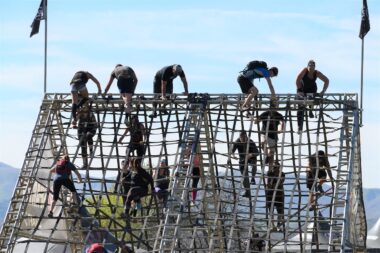
Obstacle courses present an exhilarating chance for kids to face unique challenges that keep them engaged physically and mentally. Developing a fun obstacle course can range from jumping over low hurdles to crawling under nets and balancing on beams. Encouraging children to navigate through various physical challenges helps improve their strength, flexibility, and coordination, all while offering a little thrill. Such courses also provide a fantastic environment for teamwork, as kids can either compete individually or together. They can cheer each other on and share strategies on how to conquer each obstacle. For maximum enjoyment, safety should always be prioritized by using soft mats and ensuring all structures are stable. Modifying the challenges to suit different age groups keeps participation interesting. Creating themed obstacle courses such as an animal-themed jungle gym or timed challenges can boost engagement levels by tapping into their imaginations. The excitement that comes from completing a course can instill a sense of accomplishment in children, further motivating them to stay active. Expertly arranging these physical challenges ensures that participants get a full-body workout without them even realizing they are exercising. Obstacle courses can become a staple in any fitness curriculum.
Fundamental Skills through Sports
Engaging children in sports offers an exceptional opportunity to refine fundamental skills essential for their growth. Sports such as soccer, basketball, and even swimming focus on employing various body movements, which are key to developing physical capabilities. Teaching essential skills through sports helps build a solid foundation for future athletic endeavors. Practicing movements like kicking, tossing, and catching not only benefits their fitness levels but also enhances their coordination and spatial awareness. Coaches can set up simple drills tailored to children’s age and skill levels to make learning fun and encouraging. With regular practice, kids can improve their resilience and determination, essential traits for succeeding in various life aspects. Structured sports programs can also provide an avenue for kids to socialize and foster new friendships outside of the classroom. Introducing future athletic prospects with varied sports experiences ensures that children find what they are passionate about and thrive. Additionally, consolidating sports and fitness programs teach essential lessons in time management as they balance practice with school work. These lessons not only have immediate advantages but also wield lifelong impacts on how kids approach tasks and challenges.
Fitness challenges can also be centered around fun games that kids love, allowing them to sneak in physical activity without the routine feeling dull. Games such as Capture the Flag, Duck-Duck-Goose or relay variations provide an excellent platform for kids to exercise while having immense fun. Such games encourage running, jumping, and even problem-solving skills as children strategize to win. By organizing these game-oriented challenges, coaches can focus on energetic engagement, ensuring kids are active participants throughout. Besides the physical aspects, these challenges promote a natural synergy of teamwork and leadership. The dynamic nature of these games provides excitement, keeping children enthusiastic about their fitness journey. Creating teams based on friendships can increase motivation as kids cheer for one another. Additionally, rewards or recognition for groups based on performance could promote a competitive spirit beneficial for their development while ensuring it remains positive. As children participate, they’re building rapport while practicing fitness, which translates into healthier habits in the long run. Celebratory events after these challenges can further emphasize their importance and embed a love for fitness within their hearts for years to come.
Incorporating Technology in Fitness
In today’s tech-savvy world, incorporating technology can significantly motivate kids to engage in physical activities and fitness challenges. Utilizing fitness apps and interactive games introduces an exciting way for children to monitor their progress while engaging in sports-based challenges. Some apps turn fitness activities into adventures where kids earn points or rewards for completing challenges that involve physical exertion. Integrating technology with fitness can also lead to collaborative challenges, allowing children to compete with friends or share their achievements. This can make them more accountable and engaged in their journey toward better health. Virtual fitness classes have gained momentum, providing parents with additional solutions to keep their children active regardless of location. Fitness wearables can track physical activity levels and motivate kids to surpass their daily step goals. As they see their improvements over time, it can boost their confidence and commitment to remaining active. Involving technology in fitness training can create a harmonious blend between play and exercise, making workouts more interesting and less tedious. This direct feedback loop keeps children motivated, significantly improving their engagement levels in sports-based fitness challenges.
The role of family support cannot be overstated when implementing fitness challenges for kids. Families that engage in physical activities together set powerful examples for their children. Participating in group fitness challenges or sports can create lasting memories while promoting a healthy lifestyle. Organizing weekend sports days or family fitness goals can enhance bonding time. Parents should actively take part in the same activities, emphasizing unity in pursuing fitness. Moreover, conversations about healthy habits can become routine occurrences during these challenge moments. Parents can set the stage by modeling positive behavior, embracing an active lifestyle. Including kids in planning fitness challenges allows them to take ownership, increasing their excitement about participation. They can suggest activities they enjoy, which can align with overall fitness goals. Community events can serve as family bonding opportunities as everyone participates in local runs, cycling events, or charity sports competitions. Demonstrating enthusiasm and commitment to fitness encourages kids to embrace healthy choices. Through regular and engaging family fitness challenges, children learn vital lessons about health, wellness, and the value of teamwork while creating treasured memories that will inspire habits that last into adulthood.