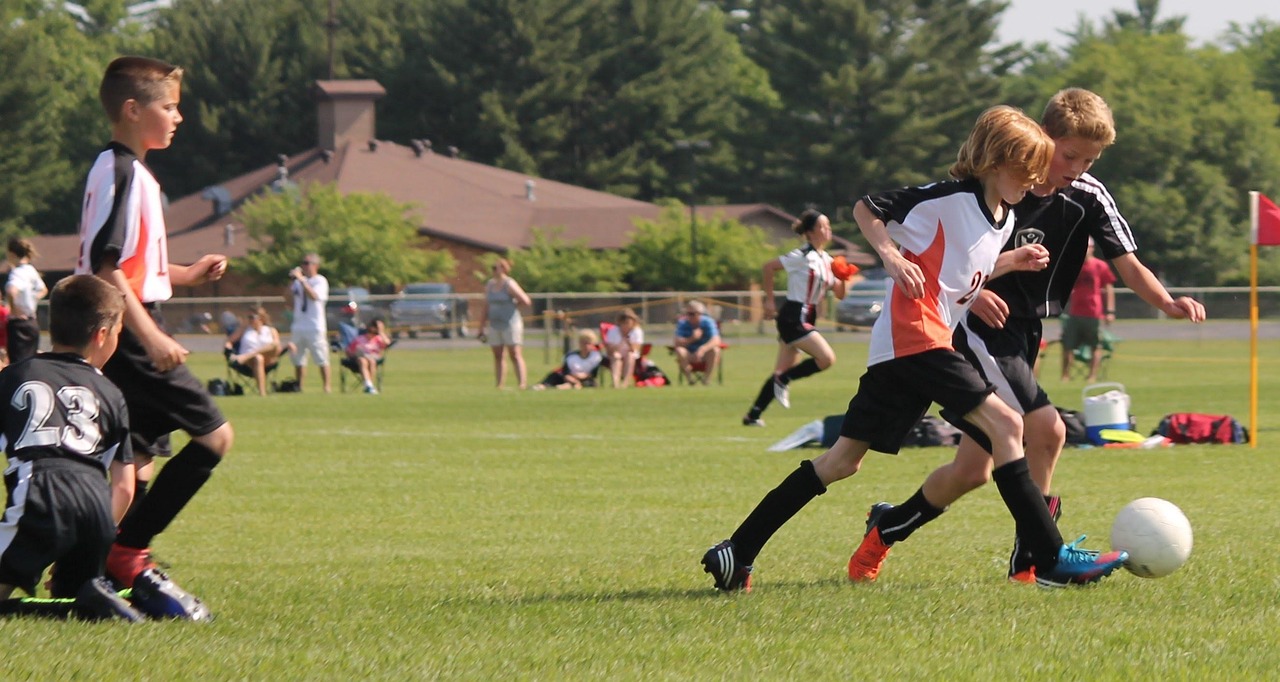

Sports Psychology Interventions for Youth Athletes
Youth athletes experience numerous pressures, from competitive performance to balancing academics and social lives. Understanding the psychological aspects that influence these young athletes is crucial for their development. Sports psychology focuses on the mental and emotional facets that impact performance and well-being. Implementing effective interventions can significantly enhance an athlete’s mindset, resilience, and overall experience in their sport. Strategies in sports psychology can include mental skills training, such as visualization, self-talk, and relaxation techniques, which can help athletes manage stress and anxiety. Creating a positive environment that encourages open communication is essential for coaches and parents alike. It is also important to educate young athletes about goal setting, as this encourages them to define their personal objectives. Effective goal setting promotes a sense of achievement, improving motivation and performance. Furthermore, informing parents and coaches about the psychological needs of youth athletes fosters a collaborative approach that supports their mental health. Ultimately, addressing the psychological factors surrounding sports can lead to improved athletic performance, satisfaction, and lifelong enjoyment of physical activities for youth participants.
Another critical element in sports psychology interventions involves fostering emotional resilience in young athletes. Emotional resilience refers to the ability to bounce back from setbacks, an essential quality for competing at any level. Methods to enhance this trait include teaching athletes coping strategies for handling disappointments and failures. Coaches can introduce concepts like reframing negative experiences to help young athletes view challenges as opportunities for growth. Consistent practice of these strategies can lead to improved confidence, reducing performance anxiety. Additionally, engaging in regular discussions about emotional states can help athletes understand their feelings and responses better. Creating a culture where expressing emotions is accepted and encouraged will contribute to a more comprehensive approach to athletic training. Peer support is also vital, as sharing experiences fosters camaraderie and mutual understanding. Parents can play an influential role by promoting a healthy attitude towards competition and the importance of enjoying sports. Encouraging youth to emphasize skill development over winning can alleviate pressure and enable athletes to pursue their passions authentically. As they navigate sports and athletics, resilient emotional and mental frameworks can lead to happier, well-adjusted individuals.
Developing Motivation and Focus
Motivation is a driving force necessary for the success of youth athletes. Understanding and enhancing this motivation is a key area within sports psychology. Athletes should develop intrinsic motivation, which arises from genuine interest and satisfaction in the activity. Coaches can foster this type of motivation by providing engaging training sessions and encouraging exploration of techniques and strategies. Recognizing effort and improvement, rather than solely focusing on outcomes, promotes a growth mindset. Furthermore, establishing clear expectations and rationale for practice routines makes athletes feel more invested in their training. Incorporating games and challenges can make practices enjoyable, which further stimulates engagement. Moreover, setting short-term achievable goals enables athletes to track their progress, reinforcing their dedication and commitment. Coaches and parents can assist young athletes in maintaining focus by minimizing distractions during practices and events. Techniques like mindfulness and concentration exercises can be beneficial in this aspect. Teaching athletes to visualize successful performances before competitions enhances their focus and boosts confidence on the field. It’s essential to recognize that motivation is an ongoing process requiring regular adjustment to maintain enthusiasm and drive.
Incorporating relaxation techniques into the training regimen of youth athletes is essential for enhancing performance and reducing stress levels. High levels of anxiety can be detrimental to performance on and off the field, making it crucial to equip athletes with tools to manage pressure. Breathing exercises, for example, can help youth athletes calm their minds and bodies. These exercises can be performed quickly before competitions or during training sessions. Techniques such as progressive muscle relaxation allow athletes to learn how to release tension methodically, promoting overall physical and mental well-being. Furthermore, mindfulness practices have shown to improve focus and reduce anxiety for young athletes. Encouraging athletes to practice meditation or yoga can contribute to enhanced mental clarity and emotional balance. These practices help young athletes develop awareness of their thoughts and feelings, leading to better self-management during high-pressure situations. Coaches can include time in their sessions dedicated to relaxation and mindfulness activities. By integrating these techniques, athletes can cultivate a healthier relationship with competition, promoting longevity in their sports endeavors. Ultimately, a balanced approach focused on mental well-being can enhance athletic performance.
Building Confidence and Self-Esteem
Building confidence is fundamental to the personal and athletic development of youth athletes. A strong belief in one’s abilities significantly impacts performance and overall enjoyment in sports. Coaches play a crucial role in fostering this confidence by providing positive reinforcement and constructive feedback during practices and competitions. Celebrating small victories, whether through skill improvements or achieving personal bests, helps athletes recognize their strengths. Furthermore, encouraging athletes to challenge themselves leads to increased levels of self-efficacy. Coaches should embrace a supportive approach, emphasizing that mistakes are part of the learning process. Teaching young athletes to set realistic expectations can help prevent feelings of inadequacy. This can be achieved by promoting a growth mindset where effort and perseverance are valued over innate talent. Additionally, allowing youth athletes to participate in decision-making regarding their training can empower them and build ownership of their development. Engaging with mentors and role models can further shape their self-esteem positively. By creating a nurturing environment that promotes exploration and growth, youth athletes can develop confidence, enabling them to reach their full potential in their sporting endeavors.
Effective communication is an essential skill for youth athletes and their coaches. Establishing a clear and supportive communication channel fosters trust, which is vital for any successful athlete-coach relationship. Coaches should engage in active listening, ensuring that young athletes feel heard and understood. Providing specific feedback helps athletes comprehend areas for improvement and celebrates their strengths. Encouraging athletes to express their feelings openly contributes to their emotional development and builds resilience. Furthermore, involving parents in their children’s sporting experiences creates a supportive ecosystem that enhances communication. Workshops and information sessions for parents can bridge gaps in understanding their child’s needs on and off the field. In addition to communication with coaches and parents, athletes must learn to communicate with their peers. Team-building exercises and collaborative activities promote camaraderie and enhance interpersonal skills. This attitude fosters an environment of mutual respect, as athletes learn to appreciate both individual and team contributions. Maintaining a culture of open dialogue and honesty creates a safe space for young athletes to thrive, ultimately paving the way for success both in sport and life.
Conclusion: The Importance of Sports Psychology
In conclusion, sports psychology interventions play a crucial role in the development and performance of youth athletes. Focusing on psychological well-being not only helps young athletes achieve their goals but also equips them with essential life skills. Through motivation, confidence-building, effective communication, and emotional resilience, athletes become better prepared for challenges in sports and personal life. Coaches and parents must prioritize mental health alongside physical training, creating an environment that values both aspects. As children engage in sports, they learn critical lessons that extend beyond the field, fostering traits such as discipline, collaboration, and perseverance. Integrating sports psychology into youth training programs is a proactive approach that supports well-rounded development. Additionally, by promoting a healthy balance of competition and enjoyment, we can instill lifelong passions for physical activity. It is vital for everyone involved in an athlete’s journey to embrace and advocate for these psychological aspects, ensuring that youth athletes flourish not only as competitors but also as healthy, resilient individuals. Ultimately, the embrace of sports psychology paves the way for holistic growth and success in the realm of athletics.