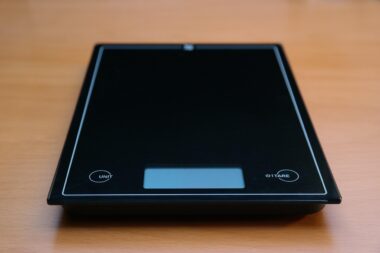

The Future of Smart Scales in the Fitness Industry
Smart scales have become a crucial part of the fitness landscape, evolving beyond mere weight measurement to provide comprehensive health insights. These innovative devices now offer metrics including body composition, BMI, and muscle-to-fat ratios through advanced technology and sensors. Fitness enthusiasts and health advocates are increasingly integrating smart scales into their routines. By utilizing apps, users can track and analyze their data over time, making informed decisions regarding their health and fitness goals. The real-time feedback provided by these scales promotes motivation and accountability. Furthermore, the connection with other smart devices enhances the user experience, creating a symbiotic relationship across fitness platforms. Multiple user profiles can often be created, allowing families and groups to share insights. Smart scales also help in identifying long-term trends that can inform dietary and exercise plans. As technology continues to advance, we can expect more personalized recommendations from these devices, truly revolutionizing how individuals approach their fitness. The enhanced interactivity and engagement fostered by smart scales lead towards a healthier community focused on holistic well-being.
The rise of smart scales signifies a shift towards technology-driven fitness monitoring that is both efficient and effective. Companies in the fitness industry are leveraging data analytics, artificial intelligence, and connected systems to enhance the functionality of these devices. Users benefit from daily tracking of their statistics, empowering them to make necessary adjustments to their training and nutrition. Moreover, many smart scales now come equipped with Bluetooth or Wi-Fi connectivity, enabling data syncing with smartphones and cloud services. This accessibility allows for immediate access to historical data and progress monitoring through mobile apps. Users can visualize their journey with graphs and metrics that help in sustaining motivation. In addition, some brands incorporate social features in their platforms, fostering community support among users. This can lead to sharing achievements, challenges, and tips, thus building a collaborative fitness environment. For health professionals, smart scales offer valuable insights into the progress of their clients, facilitating better personalized advice and intervention. Overall, smart scales represent more than a technological trend; they are a pivotal element in enhancing fitness experience and accountability.
Innovations in Smart Scale Technology
Recent advancements in smart scales are significantly transforming user experiences in the fitness realm. As technology continues to develop, smart scales are not only improving accuracy but also expanding their functionality. Many models now feature bioelectrical impedance analysis (BIA), which allows them to present a detailed breakdown of body composition including fat percentage, water weight, and muscle mass. These enhancements provide users with important insights directly related to their health objectives. Furthermore, recent trends involve the integration of machine learning algorithms, promoting personalized insights and tailored fitness suggestions to users. Smart scales now analyze patterns in data collected over weeks or months, identifying shifts that can be addressed in health plans. The innovation extends to design as well, with aesthetic considerations and user-friendly interfaces that easily fit into any home. Accurate weight measurement is now just one facet of a multidimensional approach to health. The continuous evolution of smart scale technology underscores a growing emphasis on integrating data and user experience. In essence, innovation in smart scales positions them as essential tools for contemporary health management.
As smart scales become more ubiquitous, the market is witnessing an influx of brands and models catering to a variety of user needs. This competitive landscape encourages ongoing development and improvement in both design and functionality. Smart scales can now be found with different features aimed at specific user demographics. Families may prefer models that accommodate multiple users while fitness enthusiasts might search for options with advanced metrics like metabolic age or segmental body composition analysis. A greater emphasis on style is evident, with smart scales available in diverse designs that appeal to aesthetic sensibilities. Moreover, pricing options have expanded, allowing consumers to choose products that align with their financial considerations. For those seeking integration with fitness trackers and apps, smart scales that offer compatibility with various ecosystems have emerged as preferred options. The ever-growing variety reflects consumer demand for customizable health solutions, reinforcing a trend towards personal wellness initiatives. Ultimately, the competitive market environment is not only beneficial for consumers but also catalyzes innovations aimed at enhancing overall user engagement and satisfaction. Keeping up with these advancements is vital for both consumers and fitness professionals alike.
The Impact of Data on Health and Fitness
The collection and analysis of data from smart scales have profound implications for personal health and fitness journeys. By easily integrating with other digital health tools, smart scales contribute to a comprehensive view of an individual’s health metrics. This data-driven approach equips users with the knowledge to make informed lifestyle choices, enhancing their overall fitness outcomes. For instance, tracking changes in body composition over time can reveal progress not visible on a standard scale, thereby fostering a more nuanced understanding of body health. Educating users about the importance of multiple metrics helps in demystifying weight loss and fitness gain. Additionally, smart scales create a narrative around individual health journeys, emphasizing that fitness is not merely about numbers but also about overall well-being. This shift in perception encourages users to focus on long-term goals rather than short-term setbacks. With the backing of professionals, data from smart scales can inform and enrich personalized coaching efforts. As a result, this new frontier of fitness technology promotes a healthier mindset and serves as a tool for sustained motivation and engagement in fitness activities.
Looking to the future, smart scales are poised to further merge with holistic health approaches, ensuring a more comprehensive understanding of wellness. Beyond weight metrics, advancements are paving the way for features that track vital signs like heart rate and sleep patterns, providing a rounded picture of a person’s overall health. This prospect excites health professionals and fitness enthusiasts alike, as it implies an era of connected wellness devices that work seamlessly together. Enhanced interconnectivity with applications not only uplifts users’ health monitoring but also encourages a more integrated approach to personal fitness regimens. Furthermore, the potential for telehealth integration means that users can share data directly with healthcare providers, ensuring timely interventions when necessary. Monitoring one’s health has never been this at-hand and intuitive. In a society increasingly leaning towards preventive health measures, these futuristic smart scales likely represent the forefront of a transformative shift in how fitness and healthcare intersect. As innovations continue to unfold, expect smart scales to play a significant role in shaping the landscape of health and wellness in the coming years.
Conclusion: Embracing the Smart Scale Revolution
In summary, the advancement and adoption of smart scales signify a larger trend within the fitness industry that embraces technology to improve health outcomes. As their capabilities expand and integration with other devices grows, smart scales undoubtedly position themselves as indispensable tools for modern fitness enthusiasts. Encouraging a proactive approach to health isn’t merely a trend but a necessary evolution in an era where data drives decision-making. Reducing complexity in tracking fitness and health metrics has opened doors for both new and experienced users to find their best selves. With ongoing innovations, increased accessibility, and heightened awareness, the next generation of smart scales promises to deliver insightful feedback and personalized experiences. As individuals seek sustainable fitness journeys, smart scales will play a vital role in motivating and facilitating enduring habits. Communities will be centered around shared health experiences; thus, allowing collaboration in achieving wellness milestones. Embracing this transformation signifies an acceptance of technology’s role in personal health empowerment. As a result, smart scales will not just measure; they will ultimately help foster healthier lifestyles, enhancing collective well-being in society.