
The History of Swim Clubs and Their Associated Pools
The evolution of swimming pools and the concept of swim clubs can be traced back to ancient civilizations. The earliest records of swimming dates back thousands of years when people swam for recreation, survival, and as a competitive sport. Ancient Greeks and Romans built public baths which served not only as bathing places but also as social centers where people exchanged ideas and celebrated athletic prowess. During the Renaissance, the appreciation of swimming grew, leading to the establishment of formal clubs. These clubs became a staple in many communities, allowing swim enthusiasts to gather for competition, social interaction, and instruction. By the 19th century, swim clubs gained popularity in Britain as municipal swimming pools were developed. These pools were often designed with artistic elements and served as venues for competitions and festivities. The growth of swim clubs was particularly significant during the Victorian era, allowing both men and women to participate in aquatic activities. With the influence of swim clubs, many communities began to see the construction of scenic swimming facilities that encouraged community engagement and leisure. Swim clubs played a vital role in fostering a culture centered around aquatic activities.
The recognition of swimming pools as essential recreational spaces led to more specialized designs. The late 19th and early 20th centuries witnessed the creation of more refined and elaborate swimming facilities, embodying the architectural styles of their times. These pools were often constructed in hotel lobbies, private estates, and public parks, making swimming more accessible. Prominent figures in society began to establish their own swim clubs, highlighting the status associated with membership. Substantial investments in public infrastructure made swimming pools a vital addition to community development projects. As swimming gained traction as an important sport, competitions expanded, leading to the establishment of national championships and international events. The introduction of standardized rules for competitive swimming further solidified the role of swim clubs in fostering talent. By the 1920s, swim clubs began to offer training for competitive swimmers, creating pathways for athletes to excel. This era also saw the advent of swim coaches who pioneered systematic training methods, elevating the performance of swimmers. Over time, amateur clubs aimed to promote and develop swimming moved forward, reflecting the growing significance of aquatic culture in recreational and competitive sports.
The Impact of Swim Clubs on Communities
Swim clubs have historically served as vital communal hubs that encourage not only athleticism but also social connectivity. These clubs have been pivotal in breaking down barriers, offering a welcoming environment for individuals of all backgrounds, ages, and skills. The culture surrounding swim clubs provides opportunities to forge lasting friendships and encourages interaction through shared experiences in water. Municipal swim clubs were crucial in promoting the sport of swimming among children and teenagers, emphasizing water safety and instilling essential swimming skills. Through organized instruction, clubs fostered a sense of confidence in young swimmers, paving the way for future competitions. The uniformity of swim practices and shared goals created a strong team spirit, essential not just for competition but for personal growth and learning. Swim clubs have also engaged communities in collaborative events, emphasizing not only competition but also health awareness, promoting overall fitness and well-being. Various athletic events hosted by swim clubs draw communities together, often serving as fundraisers or support for local charities. The emphasis on inclusivity within these clubs has had a lasting legacy, promoting lifelong fitness habits that stem from early childhood.
The construction of swimming pools in conjunction with swim clubs has had historical significance, as these facilities often reflect socio-economic dynamics within communities. In the earlier part of the 20th century, the exclusivity of private swim clubs played a role in revealing societal divides in access to sporting facilities, which often depended on race and class. However, this shifted mid-century, as civil rights movements led to greater inclusivity in recreational activities, facilitating a more equitable approach to swimming facilities. Many previously exclusive clubs began to welcome diverse populations, changing the nature of aquatic activities. The post-war era saw a boom in public swimming pools, which led to expanded access for the masses. This increased accessibility highlighted the importance of swimming as a life-saving skill across all communities. It also transformed swim clubs into venues for sports education and community events. With the changes in demographics, swim clubs became interconnected with local culture, ensuring that aquatic practices evolved to meet the needs of various groups. Today, many swim clubs focus on broadening participation, creating programs that encourage diverse groups to engage in swimming and aquatic events.
The Evolution of Pool Designs
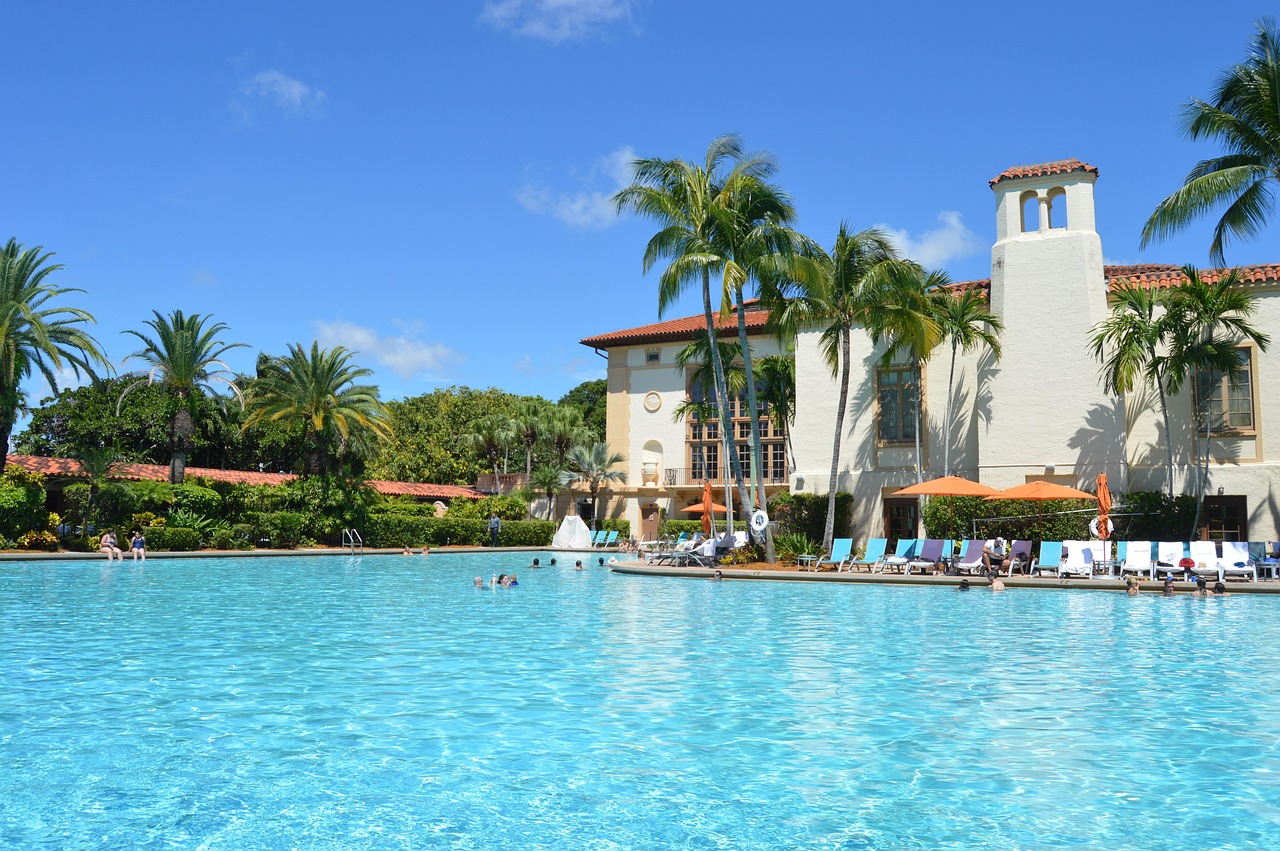
In parallel with the development of swim clubs, pool designs have evolved dramatically over the decades. Early swimming pools were often simplistic in style—primarily functional, engineered for practicality and usability. However, as the appreciation for aesthetics grew, swimming pools began to be seen as architectural masterpieces. In the mid-20th century, resort-style pools emerged, characterized by unique shapes and pathways, enhanced by landscaping that integrated water features. The introduction of swimming pool engineering advanced the creation of pools tailored to specific activities, such as lap swimming or recreational play. Recreational pools, complete with slides and shallow areas for children, became popular among families. Today, modern swimming pool design is characterized by innovation, pushing the boundaries of creative design and sustainable practices. A focus on the environment has led to the creation of eco-friendly pools that use natural filtration systems and solar heating. These advancements in technology encourage swim clubs to provide facilities that align with contemporary societal values, promoting environmental awareness. The integration of smart materials and designs has transformed traditional swimming pools into interactive experiences that continue to attract new generations of swimmers.
The final years of the 20th century and the early 21st century have seen swim clubs and pools adapt to the rise of technology and digital culture. Innovations in technology have begun to shape not only competitive swimming but also the experience of social swimming within clubs. Virtual coaching applications and online aquatic communities have allowed swimmers to connect and learn from one another regardless of geographic location. Furthermore, swim clubs are increasingly utilizing digital platforms for registrations, event organizations, and member engagement. The convenience provided by these technological advancements has made swim clubs more accessible to both new and potential swimmers. Moreover, training has evolved with the introduction of wearable technology, enhancing performance through real-time feedback. The use of wearable technology has made it possible for swimmers to monitor their progress directly and adjust their training accordingly. Additionally, the integration of smart pools, which utilize energy-saving technology, has further enhanced the swimming experience. Swim clubs are now increasingly focused on sustainable practices, ensuring that their facilities and operations align with the environmental standards needed to support future generations.
As swim clubs continue to evolve, the focus on inclusivity remains paramount. New initiatives aim to engage individuals with disabilities and provide tailored training programs that allow everyone to enjoy the benefits of swimming. Many clubs have established partnerships with local organizations to create programs that cater specifically to those with special needs or different abilities. This shift towards inclusivity enhances the cultural aspect of swim clubs, fostering a sense of belonging among diverse user groups. Swim clubs are also increasingly recognizing the importance of mental wellness in sports participation, crafting programs that emphasize the value of mental health alongside physical prowess. The promotion of swimming as a pathway for mental clarity and relaxation has resulted in the introduction of mindfulness practices related to aquatic environments. Swimming pools have transformed into safe spaces where individuals can experience tranquility, thereby enhancing their overall experience. As society continues to value physical activity, self-care, and community engagement, swim clubs will remain prominent leaders in providing opportunities for individuals across the spectrum. The legacy of swim clubs, steeped in rich history, speaks not only to the love of the water but also to forging lasting connections in our communities.
Conclusion: The Legacy of Swim Clubs
As we reflect upon the historical impact of swim clubs and their associated pools, it is evident that they have and will continue to be integral to society. They symbolize community spirit, athletic excellence, personal development, and inclusivity. The transformation of swim clubs from exclusive entities to welcoming communities for all demographics is a testament to their resilience and adaptation. Today’s swim clubs not only focus on athletic training but also promote education, safety, and mental well-being among members. Their ability to inspire passion for aquatic activities ensures that future generations will maintain and deepen their connection to swimming. The ongoing commitment to diversity and access will shape the narrative moving forward, fostering environments where all individuals feel included. As technology influences the way swimming is experienced, swim clubs are poised to embrace these changes while preserving the traditions that define them. The history of swim clubs and pools reveals a complex tapestry of cultural values, transforming a simple sport into a communal experience. The legacy of these clubs endures, exemplifying the profound impact of swimming on personal lives and community cohesion.