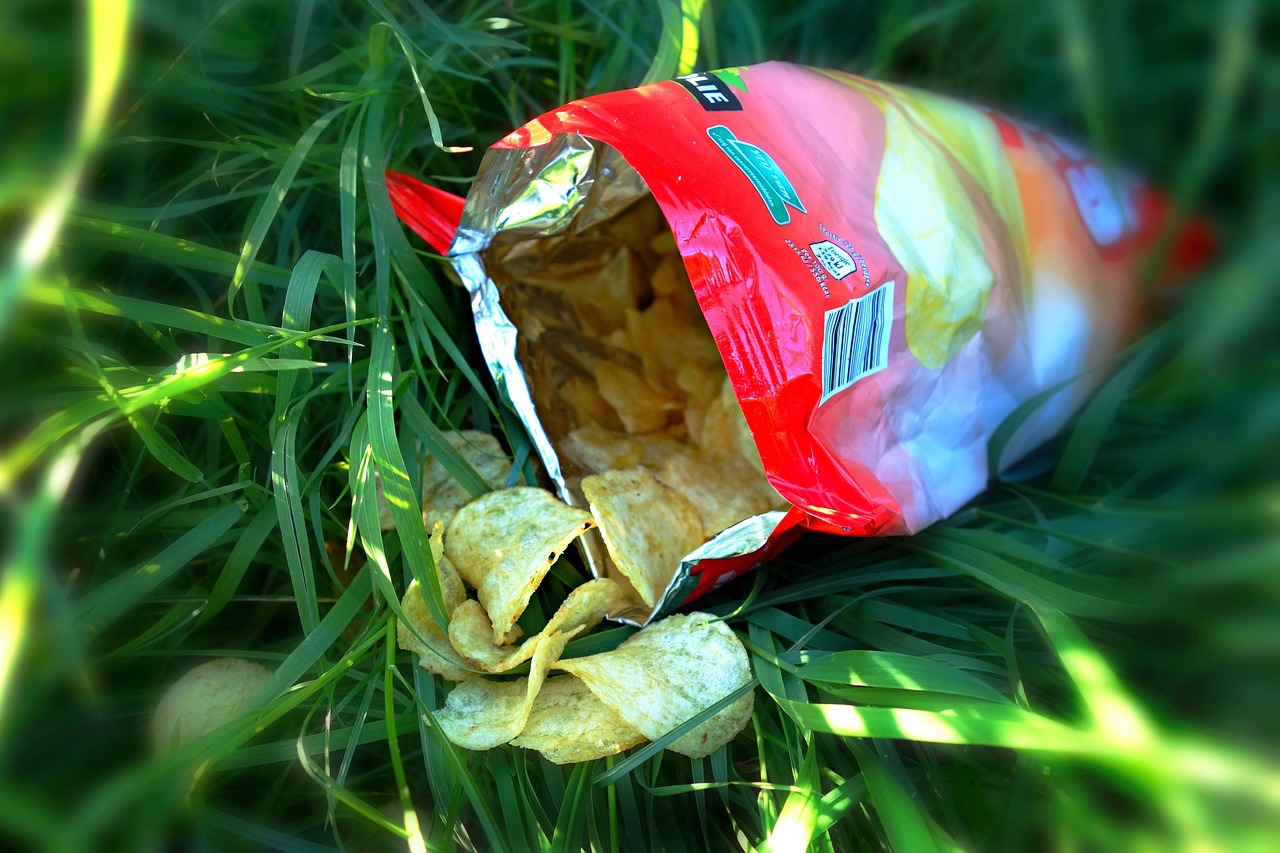

The Impact of Processed Foods on Balance and Coordination
Processed foods have become a staple in modern diets, providing convenience and quick meal options. However, they can significantly affect our physical well-being, especially in terms of balance and coordination, which are crucial for everyday activities. Refined sugars, unhealthy fats, and additives commonly found in these foods can lead to various health issues, including weight gain, muscle weakness, and impaired cognitive function. These factors negatively impact our body’s ability to maintain balance. Consistent consumption of processed foods can also alter our gut microbiome, which affects our brain-gut connection, further complicating coordination. Hence, it is essential to be mindful of dietary choices. Individuals seeking improved physical coordination need to evaluate their nutritional intake. By focusing on whole foods like fruits, vegetables, whole grains, and lean proteins, one can better support body’s coordination. Reinstating natural foods can enhance our balance as they provide the necessary vitamins and minerals for optimal nerve and muscle function. Continuous connection between nutrition and movement should prompt individuals to assess how their dietary patterns correlate with their physical stability, encouraging healthier habits for better overall health.
Various studies indicate a strong link between nutrition and physical performance, aligning with the idea that processed foods can detrimentally impact balance and coordination. The consumption of nutrient-deficient foods often leads to decreased muscle strength and impaired reflexes. Our coordination abilities rely heavily on muscular responses and proprioception—the sense of body position. When processed foods overwhelm our diets, essential nutrients such as omega-3 fatty acids, vitamins, and minerals may become scarce, inhibiting our body’s ability to function optimally. Emphasizing hydration plays a critical role in maintaining balance, as even mild dehydration can severely affect coordination. Hence, combining hydration with nutrient-rich foods can bolster physical performance. Adequate nutrient intake contributes to effective neuron communication between the brain and muscles. Processed foods hinder this communication because they may include high levels of sodium, which can contribute to dehydration and muscle cramps. For anyone looking to enhance balance and coordination, re-evaluating one’s diet becomes paramount. Aiming for a balanced diet that prioritizes whole foods lays the foundation for better mobility, enabling us to perform daily tasks more efficiently, especially as we age and our physical capabilities naturally decline.
Understanding the Nutritional Deficiencies
Processed foods often lack essential nutrients that promote muscle and nerve health. Consequently, relying on these products instead of whole foods may lead to deficiencies that affect both balance and coordination. Vitamins such as B12 and D, calcium, and magnesium are crucial for maintaining muscle function, while antioxidants support overall health. Affected nutrients trigger a chain reaction within the body, resulting in diminished balance and coordination capabilities. Proper nutrition encourages optimal nervous system function and muscle engagement, both vital for coordination. Foods rich in complex carbohydrates help sustain energy levels throughout the day, positively influencing physical stability. Those engaged in physical activity must prioritize nutrition, ensuring they receive adequate macro- and micronutrients to support their bodies effectively. Furthermore, it is essential to combine a nutritious diet with regular exercise to improve coordination and balance. Engaging in activities that challenge one’s stability—such as yoga, tai chi, or strength training—can further enhance these skills, promoting a lifestyle that benefits both physical and mental health. Nutrition should not only support physical activity but also foster the mental acuity required for improving coordination.
Protein intake is another vital consideration in enhancing coordination and balance, making it critical to assess dietary choices. Foods high in protein, like lean meats, legumes, and nuts, provide the building blocks necessary for muscle repair and growth. Strenuous activities can lead to muscle fatigue, thus affecting balance. The nutritional quality of our diets significantly influences muscle recovery and strength. By substituting processed foods for protein-rich options, we promote muscle health, consequently enhancing our body’s coordination. Moreover, healthy fats found in foods like avocados and olive oil encourage brain function, which plays a crucial role in maintaining physical coordination. Unlike processed foods often high in trans fats, healthier options foster improved cognition. Overall, incorporating nutrient-dense food options can help individuals maintain balance and overall well-being. It is essential to recognize that dietary changes do not have to happen overnight, but gradual modifications can lead to significant improvements. Individuals should strive for balanced meals, integrating various macronutrients and micronutrients daily. Staying informed about food choices empowers us to make healthier decisions, fostering improved overall health, balance, and coordination.
The Role of Mindfulness in Nutrition
Mindful eating encourages individuals to connect with their food, promoting better choices regarding balance and coordination. By paying attention to what we consume, we can understand which foods enhance or detract from our physical capabilities. Processed foods often cater to convenience rather than nutrition, and healthy alternatives foster a mindful approach that can enhance our well-being. Practicing mindfulness involves not only choosing healthier foods but also embracing portion control and recognizing hunger cues. This proactive approach aligns well with improving our overall stability. Moreover, cultivating a mindful relationship with food helps individuals appreciate the value of their meals. Engaging all senses while eating can enhance enjoyment and satisfaction, reducing cravings for processed foods. Consistently choosing nutritious options allows the body to thrive, supporting rigorous activity levels while enhancing balance and coordination. Over time, a significant shift can occur by incorporating mindfulness into our eating habits, allowing individuals to maintain their physical and mental health better. Ultimately, nutrition is intricately connected to our bodily functions, with mindful decisions leading to improved well-being.
Another aspect to consider is the impact of inflammatory responses triggered by processed foods. Inflammation can severely hinder muscle recovery and overall joint functioning, leading to decreased balance and coordination. Ingredients found in many processed products, such as refined carbs and additives, can promote inflammation throughout the body. Chronic inflammation can lead to degradation of musculoskeletal components, making it more challenging to maintain physical stability. Emphasizing an anti-inflammatory diet, rich in whole foods, fruits, and vegetables, mitigates these adverse effects. Foods like fatty fish, berries, and leafy greens are known for their anti-inflammatory properties and contribute to enhanced physical performance. Transitioning to an anti-inflammatory framework not only aids recovery but enriches an individual’s overall health. Many athletes and fitness enthusiasts are shifting towards this approach to optimize their physical capabilities. By pursuing a diet focused on reducing inflammation, individuals can effectively support better balance and coordination while enhancing their overall quality of life. Nutrition should empower us, allowing us to navigate our physical environments with ease, regardless of age or fitness level.
Final Thoughts on Processed Foods and Coordination
In conclusion, the considerable impact of processed foods on balance and coordination brings attention to the essential role nutrition plays in our daily lives. Many of today’s common diet habits revolve around fast, convenient, and easily accessible processed options. However, regularly indulging in these foods can compromise our physical health, especially regarding functional movement abilities. Recognizing the detrimental effects should prompt individuals to make more informed dietary choices. Focusing on whole foods that nourish the body can foster improved balance and stability, encouraging an active, healthier lifestyle. Communities can also play a supportive role in promoting awareness about nutrition and health risks associated with consuming processed foods. Engaging in discussions and knowledge-sharing enables individuals to connect with one another in seeking healthier alternatives. The journey towards improved coordination begins with personal accountability in food choices. Adopting gradual changes not only paves the way to better health but encourages awareness of the direct relationship between nutrition and physical capabilities. The focus on whole foods leads to long-lasting benefits for balance and coordination, enhancing our overall quality of life.
For those looking to improve their balance and coordination, prioritizing a balanced and nutrient-dense diet is essential. Processed foods may offer convenience but provide little to no nutritional value. Emphasizing whole foods packed with vitamins and minerals ensures effective body functioning, enhancing coordination over time. A combination of mindfulness and awareness regarding food choices empowers individuals in making healthier decisions for their physical well-being. Ultimately, nutrition serves as a foundation for developing balance, coordination, and overall quality of life. By adopting this approach, anyone can significantly improve their physical performance, no matter their fitness level or age. Commitment to better nutrition requires conscious effort and determination, as transformation isn’t instantaneous. The rewards, however, are well worth the effort, resulting in improved health, mobility, and independence. So, take small steps today towards healthier eating practices, shifting away from processed foods towards nutritious foods that your body craves and requires. Prioritize your well-being, allowing your body to flourish, and in turn, your ability to balance and coordinate will enhance, leading to a dynamic, active lifestyle.