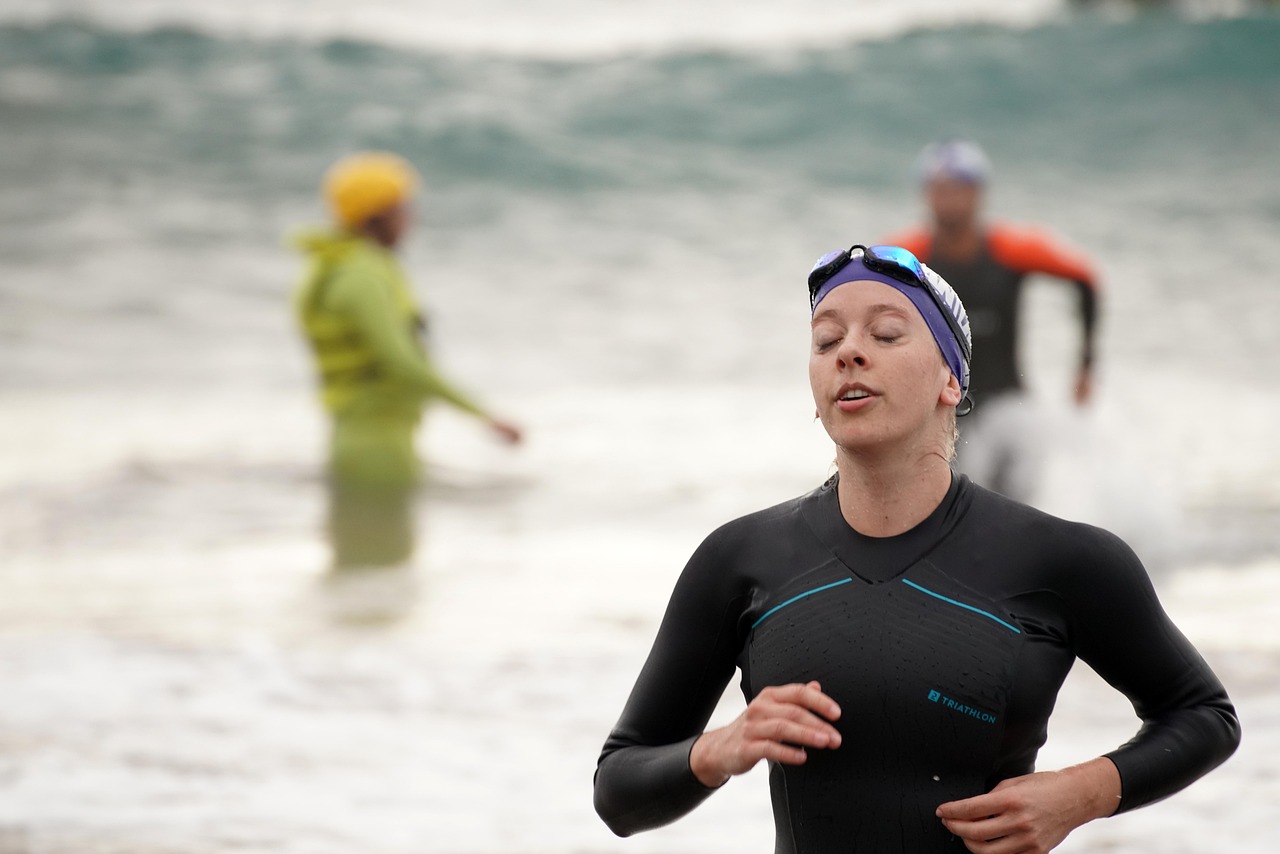

Triathlon for Social Change: Community Impact Stories
Triathlon has evolved beyond a simple sporting activity into a catalyst for social change. Many communities have embraced the challenges and camaraderie of training for triathlons, using it as a platform to raise awareness about critical social issues. One remarkable example is the initiative that focuses on mental health awareness, where athletes share their experiences. By opening up about their journeys, they create supportive environments that encourage others to do the same. Participants often report feeling empowered through their athletic experiences, transforming challenges into strengths while fostering connections with others who face similar battles. The physical demands of triathlon training mirror the emotional resilience required to tackle deep personal struggles. Training groups often foster an inclusive atmosphere, promoting relationships and conversations about mental health. This creates a ripple effect, inspiring participants to advocate for mental health resources and education within their communities. Through local races, athletes can unite to raise funds for various mental health organizations. By engaging family and friends, they increase awareness of the importance of mental health in our society and provide hope for others on their personal journeys.
Equally important is the role of triathlons in promoting physical activity among youth and disadvantaged populations. In many neighborhoods, access to sports and recreational activities is limited, which can lead to health disparities. Organizations around the world have recognized this gap and have initiated youth triathlon programs aimed at providing underprivileged kids with the opportunity to participate in triathlons. These programs not only introduce children to the excitement of swimming, cycling, and running but also teach them about nutrition, teamwork, and discipline. As part of the training, mentors guide participants through the process of developing their skills and achieving personal goals. The exposure to structured physical activity helps combat childhood obesity and encourages lifelong healthy habits. Moreover, the sense of achievement derived from completing a triathlon can significantly impact a child’s self-esteem and motivation. Many children report feeling proud not only to finish races but also to have learned valuable life lessons along the way. Some even continue their sporting journeys into adulthood, becoming leaders and positive role models in their communities. Through these efforts, triathlon becomes a powerful tool for social change.
Fostering Unity through Triathlon
Triathlon communities are often characterized by their inclusivity and support, making them ideal for fostering unity among diverse groups. This aspect of triathlon training and participation has resonated particularly well in areas affected by social division. Various organizations have begun to harness the power of triathlon to bring together individuals from different backgrounds, promoting understanding and collaboration. Programs specifically targeting refugees and immigrants have emerged, providing them access to training facilities, equipment, and coaching. By encouraging these newcomers to embrace this challenging sport, community bonds are strengthened, and shared experiences lead to a deeper appreciation of cultural diversity. Events organized around these training programs often feature family-friendly activities that engage the larger community, allowing for shared celebration and recognition. The endurance required for triathlon reflects the perseverance found in these individuals’ journeys. Successful completion of an event can symbolize hope and progress, encouraging participants to envision a brighter future. As athletes cross the finish line, they represent not just personal achievement, but also their communities’ resilience and commitment to togetherness.
Additionally, triathlon events often include charity components that leverage participants’ dedication to create fundraising opportunities for pressing social causes. Many races designate specific charities as beneficiaries, allowing athletes to raise funds with the support of their friends and families. Participants often engage in sponsorship campaigns, using their training as a way to connect with the community. This not only raises money but also spreads awareness about the causes that the event supports, from environmental issues to support for vulnerable populations. The fundraising efforts linked to triathlons can spark important conversations around these topics, helping educate the community on pressing social issues. Furthermore, athletes involved in fundraising often form connections with the beneficiaries of these efforts, allowing them to see the direct impact of their work. This personal engagement often inspires participants to remain active advocates beyond the race, encouraging volunteerism and community investment. As a result, triathlons serve as more than just athletic competitions; they become platforms for advocacy, raising awareness and driving meaningful change in society.
Adapting Triathlon for Accessibility
Adapting triathlon events and training programs for individuals with disabilities is another important aspect of promoting inclusivity and social change. Organizations have begun to create specialized programs that ensure everyone has the opportunity to participate in triathlons, regardless of physical ability. Adaptive equipment such as handcycles, specialized wheelchairs for running, and floating devices are made available, allowing athletes to compete on a more level playing field. These adaptations empower individuals with disabilities, demonstrating that they too can pursue challenging athletic endeavors. Community members often rally around these events, providing much-needed support and encouragement. As adapted athletes train and compete, they not only challenge societal perceptions of disability but also inspire others with disabilities to step outside their comfort zones. The very act of participating in a triathlon can remove barriers and change perspectives in the community about what individuals can achieve. Events featuring adaptive races have seen increased interest, spreading messages of resilience and hope, encouraging accepting attitudes towards diversity as well as promoting a healthier community overall.
Furthermore, the stories that emerge from these triathlon communities can inspire others to take action within their own neighborhoods. Athletes frequently share their experiences through social media, local news outlets, and community forums. Their narratives highlight not only their personal achievements but also the collective impact of training and competing as a group. Many athletes report how these stories motivate others to join training programs, support charitable efforts, or simply encourage more physical activity in their communities. Community leaders often recognize the power of these narratives, using them to galvanize efforts around social causes. By showcasing success stories, they inspire hope and illustrate that change is possible, regardless of one’s starting point. With the visibility that social media provides, sharing narratives has become easier and more widespread. Athletes continually uplift one another through their shared stories, generating a culture of encouragement and determination both within and outside the triathlon community. As word spreads, the potential for greater social change expands, creating further opportunities for communities to unite in positive ways through the sport.
Conclusion: The Future of Triathlon as a Catalyst for Change
In conclusion, triathlon not only serves as a rigorous sporting challenge but also exemplifies the power of community-driven social change. Through collective efforts in supporting mental health, encouraging youth participation, and promoting inclusive practices, triathlons create thriving ecosystems beneficial for all. The personal tales stemming from these communities enrich the overall narrative of triathlon and its reach far beyond physical achievements. As awareness of the various social issues continues to grow, the role of triathlons as a catalyst for change will undoubtedly expand. Emerging programs seeking to address more pressing societal concerns rely on the resilience and spirit inherent in the triathlon culture. Participation and involvement in these initiatives have proven effective in creating profound impacts, providing athletes a voice for advocacy and raising vital funds for meaningful causes. The community spirit fostered through triathlons embodies hope and motivates action towards addressing injustices and disparities faced by many. Overall, the sport will likely continue to evolve, influencing generations of athletes who champion and support significant change within society.
The ongoing evolution of triathlon into a vehicle for social change demonstrates the limitless possibilities of communities coming together for progress. By sharing their stories, advocates inspire others and create bonds that surpass barriers. The triathlon community showcases how a challenging sport often transcends competition, allowing individuals to embrace shared goals, victories, and struggles. Through their resilience, athletes influence discussions around mental health, accessibility, and youth empowerment. Every race traversed and every story shared reflects the determination found within each participant, setting an example for future generations. As more individuals opt to participate in these events, they’re, in effect, choosing to support an inclusive environment that fosters a sharing spirit. Triathlon’s unique position promotes cross-cultural understanding while highlighting the shared experiences of overcoming adversity. With successful strategies in place to elevate the voices of often marginalized groups, triathlon has the potential to impact new areas. As this sport continues to grow globally, its emphasis on community involvement will remain a powerful tool for generating positive social change and ultimately transforming lives.