
Using Fitness Goals to Improve Mental Strength
Setting fitness goals is an impactful way to boost your mental strength and resilience. These goals do not only pertain to physical transformation; they provide focus, direction, and a source of motivation that extends beyond the gym. Start with specific, measurable, attainable, relevant, and time-bound (SMART) goals. Emphasizing gradual progress fosters a steady buildup of mental strength. Over time, small wins accumulate, significantly enhancing your confidence. Goals may include daily exercise routines, strength increase targets, or preparing for a particular event. Such targets can keep you accountable and engaged with your fitness journey, giving you a clear focus. Moreover, as you pursue your goals, you develop patience and perseverance. Individuals often experience setbacks such as injuries or obstacles to routine. Overcoming these challenges fosters resilience, a critical aspect of mental strength. It trains your brain to adapt, allowing for recovery despite difficulties. This adaptability can generally translate to other life challenges. Additionally, engaging in physical activities releases endorphins, improving your mood and mindset. Confronting and surmounting fitness challenges works wonders for enhancing mental toughness as well.
The Connection Between Fitness and Mental Health
Research highlights a strong connection between fitness and mental health, emphasizing how physical activity can greatly influence mental well-being. Regular exercise has been shown to reduce symptoms of anxiety and depression, providing an outlet for stress relief. As you engage in fitness activities, endorphins and neurotransmitters are released that significantly improve mood. This releases tension and elevates your state of mind. Furthermore, committing to a fitness plan enhances your self-esteem as you meet the milestones you set for yourself. This confidence built through fitness also extends to other areas of life, driving you to confront personal challenges with greater courage. Additionally, social engagement in fitness activities, like group classes or team sports, strengthens communal ties and provides support networks. These social connections can act as vital encouragements during tough periods, helping to maintain motivation and commitment. Alongside these aspects, physical fitness contributes to better sleep quality, further boosting mental resilience. Thus, prioritizing fitness equals prioritizing mental health, forming a foundation upon which you can build your emotional strength. Therefore, integrating fitness goals into your life can serve as a powerful catalyst for enhancing overall mental health.
Establishing a routine around your fitness goals can serve as a meaningful structure that promotes mental resilience. When you commit to regular workouts, your body and mind become accustomed to a specific rhythm. This consistency is integral as it lays a foundation for accountability and self-discipline. Within this framework, individuals can cultivate habits that reinforce their commitment to self-improvement. The structure of familiar workout times allows you to track progress and reflect on achievements. Tracking workouts through apps or journals adds an element of accountability, helping you remember your goals and stay motivated. Not just that, but such tracking mechanisms also help identify patterns in performance over time. Seeing tangible progress significantly contributes to your mental fortitude, showcasing the hard work and dedication you’ve applied. As you observe improvements, whether in strength or endurance, you will find yourself motivated to set even more ambitious goals. Along with this, overcoming challenges, such as hitting a plateau, aids in developing greater emotional stability. Each bump along the road becomes a learning opportunity, building resilience through the process. In all, creating a reliable routine around fitness promotes both consistency and mental toughness.
Effective goal-setting can drastically enhance understanding of personal limits and capabilities through consistent reflection and adjustment. By setting realistic and challenging fitness goals, you invite growth into your life and provide a platform for introspection. As the space for self-assessment unfolds, you learn to understand how much effort you are willing to put in for success. Challenging fitness goals teach you about your tenacity and strengths. You may discover your innate ability to push through discomfort or learn how to manage fatigue effectively. Regularly evaluating your performance helps celebrate milestones after every workout, thus reinforcing compliance to your goals. This reflection could involve noting how you felt during workouts and adjusting accordingly for better performances. Additionally, challenging yourself to step outside of your comfort zone contributes to fostering mental resilience. Engaging with new exercises or intensities can feel daunting, yet offering fresh experiences contributes to your adaptability. Building upon this mental adaptability is essential; it allows you to tackle not only fitness challenges but also broader life challenges, fostering a resilient mindset that thrives amidst adversity.
Overcoming Mental Barriers Through Fitness
Many encounter mental barriers that can inhibit progress in fitness and overall well-being. These barriers often manifest as fear or self-doubt, posing obstacles to pursuing goals. Exercise can be a powerful antidote to these feelings. As one continues to push through workout challenges, it gradually reduces the negative chatter in your mind. Overcoming physical challenges translates directly into overcoming mental limitations. For example, finishing a 5K or achieving a personal best in weight lifting can substantially boost your confidence and self-belief. It’s essential to recognize these victories and let them serve as motivation for future endeavors. Embracing these milestones empowers individuals to confront their fears constructively, alleviating self-imposed constraints. Moreover, engaging in physical activities fosters a mindset of growth. Adopting a perspective of learning from each workout prepares you for deeper reflections about your fears. Fitness challenges act as practice grounds for tackling bigger life hurdles. By extending your comfort zone in fitness, you unconsciously apply this learning to other facets of life, enhancing overall resilience. Thus, the practice of overcoming physical barriers inherently strengthens mental endurance.
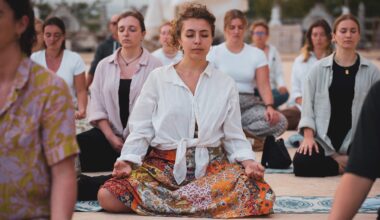
Incorporating mindfulness alongside your fitness regime can yield significant benefits for mental resilience and overall well-being. Mindfulness encourages being present in each moment, allowing you to connect with your body and mind during workouts. This practice promotes greater awareness of your physical sensations, thoughts, and feelings, which aids tremendously in understanding emotional responses. Focusing on your breath and form during physical activities anchors your mind, thus enhancing mental clarity amid the repetitive motions of exercise. Mindfulness can transform the way you approach workouts, igniting appreciation for the process rather than solely chasing end results. Practicing yoga or pilates introduces mindfulness techniques into your fitness routine, enhancing focus and body awareness. Furthermore, developing this connection demonstrates how fitness becomes a vessel for reflection and learning. It shapes your mentality, nudging you to confront internal struggles with greater ease. As you cultivate a balanced perspective, personal growth becomes evident, reinforcing mental strength through challenging moments. Resources like apps or guided meditation can assist integrating mindfulness into fitness sessions. Overall, this combination nurtures resilience, as it fosters a compassionate self-approach through each workout.
Conclusion: The Long-term Benefits of Fitness for Mental Strength
In conclusion, harnessing fitness goals to bolster mental resilience is a powerful strategy for self-improvement. As individuals embark on this journey, they can unlock a wealth of benefits that extend beyond physical transformations. Personal discipline and accountability gained from setting and achieving fitness targets serve as foundational pillars for enduring mental strength. The progress cultivated through fitness translates directly to various life challenges, facilitating emotional growth and adaptability. As you develop confidence through overcoming barriers, your perspective shifts toward a more positive mindset, gradually reinforcing resilience. The ability to overcome both physical and mental hurdles becomes integral to experiencing personal breakthroughs. Utilizing fitness as a tool for mental strength cultivation effectively contributes to maintaining a healthier lifestyle overall. It creates a harmonious balance where mental and physical aspects thrive side by side. As you set forth on this path, finding joy in achievements provides intrinsic motivation that fuels your dedication to future endeavors. Therefore, embracing fitness goals not only benefits your body but fortifies your mind, perpetuating a cycle of empowerment and growth that lasts a lifetime.