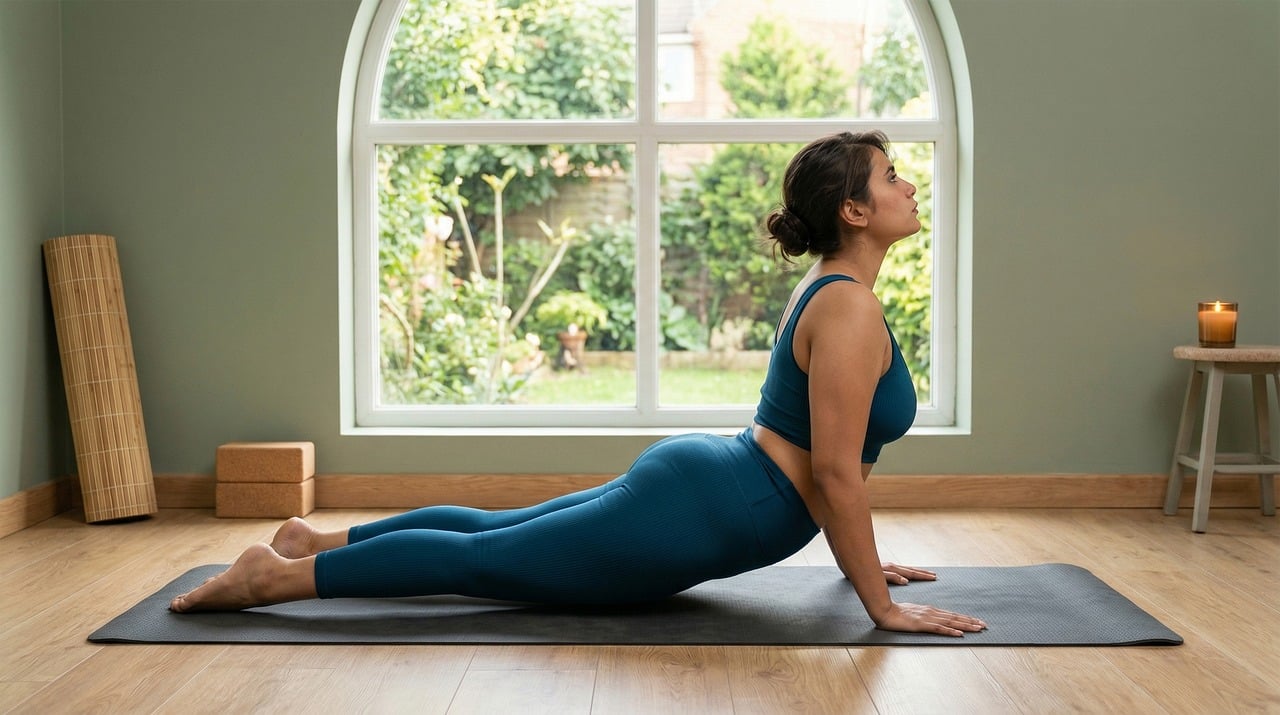

Using Yoga and Pilates to Manage Stress in the Workplace
Stress in the workplace can significantly impact mental health, productivity, and overall job satisfaction. Increasingly, organizations are recognizing the benefits of Yoga and Pilates as effective stress management techniques. These practices not only enhance physical well-being but also foster a calm and focused mind. Incorporating these exercises into the workplace can help create a balanced atmosphere where employees feel valued and empowered. Regular practice can lead to improved concentration, better teamwork, and a greater sense of community among colleagues. To get started, workplaces can offer classes led by qualified instructors or even provide resources, such as videos and articles, that employees can access at their convenience. Such initiatives can help foster a culture that values mental health through physical wellness. Employees who engage in yoga and Pilates are more likely to report reduced stress levels, which in turn can lead to better engagement and retention within companies. Given the competitive nature of modern work environments, adopting these techniques can prove beneficial for both employees and employers alike in maintaining a happy, productive workforce. Making a commitment to mental health can create a ripple effect of positivity in the workplace.
Physical Benefits of Yoga and Pilates
The physical benefits of Yoga and Pilates are well-documented and play a crucial role in stress management. These practices promote flexibility, strength, and balance, which are essential for maintaining overall physical health. Engaging in regular Yoga or Pilates sessions can help alleviate tension and release pent-up stress. Both methods involve deep breathing techniques that enhance oxygen flow, fostering relaxation and mental clarity. Muscle tension often contributes to stress and pain; thus, stretching and strengthening through these exercises can help mitigate discomfort. In this way, employees may not only experience reduced stress but also fewer physical ailments related to sedentary lifestyles, such as back pain and repetitive strain injuries. Providing options for practicing these disciplines can encourage employees to take breaks, which is essential for maintaining productivity. Organizations should consider setting up designated spaces for practice or even offering virtual classes. By supporting employees in their physical wellness journeys, companies promote environments that encourage movement, mindfulness, and a balanced approach to work-life integration. This commitment ultimately shapes a healthier workforce that performs at their best.
Mindfulness is another key component of both Yoga and Pilates, emphasizing the importance of being present in the moment. This focus not only reduces anxiety but also aids in emotional regulation. Practicing mindfulness can help employees manage overwhelming situations by cultivating a sense of control over their responses. Employees equipped with these skills can better navigate stressful situations, leading to improved communication and collaboration within teams. Additionally, individuals practicing mindfulness often report increased job satisfaction and motivation. Workplace stress can stem from various sources, but fostering a culture centered on mindfulness can help transform how employees tackle challenges. Organizations can offer mindfulness workshops alongside Yoga and Pilates to provide comprehensive stress management solutions. In those workshops, employees can learn techniques that both practices incorporate, such as breathing exercises and visualization methods. Companies can thus equip their employees with tools to face stress head-on. These strategies, when implemented consistently, can transform workplace dynamics, create a more harmonious atmosphere, and enhance overall well-being. By prioritizing mental health through such initiatives, companies not only improve individual resilience but also create a more supportive workplace culture.
Group Classes Foster Community
One major advantage of practicing Yoga and Pilates in the workplace is the opportunity to foster community among employees. Group classes encourage social interactions, helping to break down barriers and build relationships. When employees participate in these activities together, they often share experiences and challenges, forming strong bonds. This sense of community can lead to enhanced collaboration, team spirit, and morale. When employees feel connected to one another, they are more likely to support each other through stressful times, creating a cohesive work environment. The shared goal of wellness within group classes motivates participants to remain dedicated to their practice and encourages them to hold each other accountable. In some cases, organizations may even consider offering friendly competitions, challenges, or workshops that focus on Yoga and Pilates. Such initiatives elevate the enjoyment level and make the processes of learning and growing fun. As a result, employees may become more invested in their health and well-being, which subsequently contributes to overall workplace happiness. By using these group activities, companies can cultivate an atmosphere of shared wellness and enthusiasm, yielding positive outcomes for everyone involved.
Moreover, regular practice of Yoga and Pilates can lead to improved mental focus, a factor that greatly benefits workplace productivity. Employees who engage in these activities often experience heightened levels of concentration, which can directly translate to superior work performance. A clear mind combined with enhanced physical wellness allows individuals to approach tasks more efficiently and creatively. Simplifying complex problems becomes easier when the mind is relaxed and focused, leading to greater innovation and problem-solving capabilities. Employers who support these initiatives may witness lower absenteeism, as employees are less likely to take sick days when they feel healthy and balanced. Furthermore, integrating Yoga and Pilates into the workplace can serve as a preventive measure against burnout, a prevalent issue in many industries today. By prioritizing well-being and providing these constructive outlets for stress relief, organizations can create an environment where employees thrive. The return on investment often becomes evident through improved job satisfaction and retention rates. As mental wellness becomes interwoven with workplace culture, organizations may thrive through more engaged and enthusiastic employees eager to contribute effectively.
Customization for Employee Needs
Another significant aspect of implementing Yoga and Pilates in the workplace is the ability to customize programs to meet diverse employee needs. Not everyone approaches fitness and wellness in the same way; therefore, offering various styles and levels of Yoga and Pilates can be essential. Tailoring classes to accommodate varying skill levels ensures that all employees, regardless of experience, can participate and benefit from these practices. Newcomers may require gentle introductions, while seasoned practitioners may seek advanced classes that challenge them further. Encouraging feedback from employees helps in refining and enhancing these programs over time. Organizations can also consider offering options such as lunchtime classes or virtual sessions for remote employees, catering to various schedules. Flexibility in scheduling makes it easier for more employees to participate, thus increasing overall engagement. Additionally, encouraging employees to help lead or facilitate workshops can empower them and create a sense of ownership over their wellness journey. Providing various platforms and options ultimately makes the wellness initiative more effective, reinforcing a culture that prioritizes mental and physical health across all levels.
Finally, the introduction of Yoga and Pilates in workplace settings not only enhances employee wellness but also fosters management’s commitment to holistic approaches to well-being. When leaders participate alongside their teams, they send powerful messages about the value of maintaining mental health. This involvement models positive behaviors for employees and strengthens bonds across all levels of the organization. As a result, management’s support can serve as a catalyst for organizational change, encouraging everyone to prioritize self-care and wellness actively. The visible commitment from leadership can inspire employees to embrace these practices wholeheartedly. Beyond physical and mental health benefits, incorporating Yoga and Pilates into workplace culture elevates the overall organizational ethos. Employees while practicing together cultivate shared experiences that benefit all. In this way, businesses can develop resilience that enhances their collective ability to adapt to challenges. Ultimately, supporting mental health in the workplace through these practices can lead to an enriched culture, higher morale, and flourishing productivity. As companies continue to recognize and implement the benefits of Yoga and Pilates, employee well-being will undoubtedly thrive, shaping a brighter future for workplaces everywhere.