
Voice-Activated Fitness Assistants: Helping Seniors Stay on Track
In recent times, seniors are increasingly being encouraged to adopt fitness routines that cater to their specific health needs. One promising avenue for this is through the use of technology, particularly voice-activated fitness assistants. These devices provide elderly individuals with the ability to engage in physical activities and maintain their fitness levels while accounting for any mobility challenges they may face. Voice-activated assistants make exercise accessible by offering guidance, tracking progress, and even suggesting new workouts tailored to the user’s fitness level.
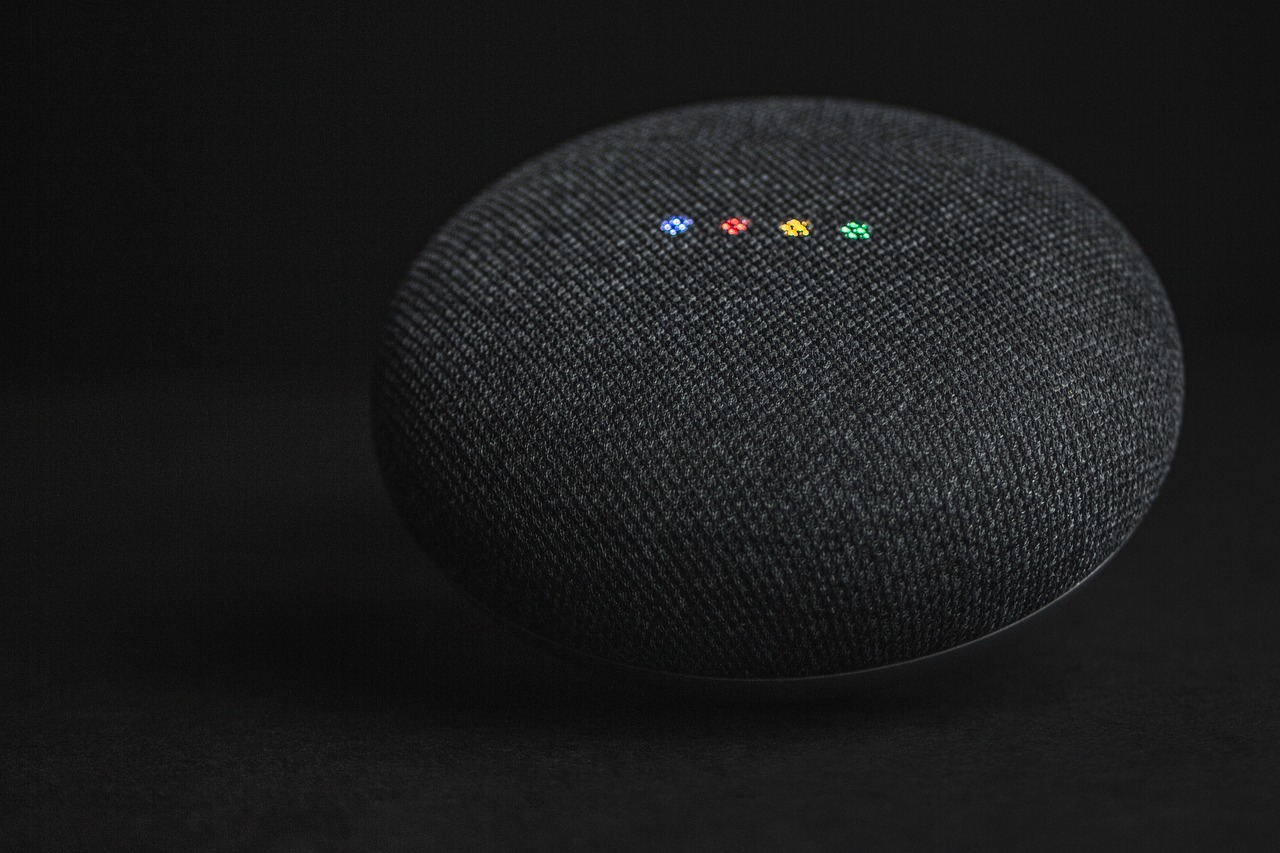
Many voice-activated fitness assistants are designed to be user-friendly, with simple vocal commands that can initiate workouts or request information about health metrics. For seniors, this is immensely beneficial as it eliminates the need for complex interfaces that might be challenging to navigate. Devices such as Amazon Echo or Google Home can be configured to deliver customized exercise regimens that align with individual preferences. Further enhancing the experience, these platforms often provide immersive and engaging fitness classes that encourage seniors to participate actively in their health journey.
In addition to guiding physical workouts, voice-activated fitness assistants can monitor vital health parameters such as heart rate or calories burned during exercise sessions. This reactive capability means seniors can receive real-time feedback on their performance, helping them adjust their workouts on the fly. Having this constant connection between fitness goals and real-time data empowers seniors to push their limits safely without fear of over-exertion. With continuous monitoring, seniors can experience a more holistic approach to fitness, which also extends to their overall well-being.
Motivational Aspects of Voice Technology
Motivation can significantly impact a senior’s inclination to pursue a healthy lifestyle. Voice-activated fitness assistants bring a social element into the exercise routine, attempting to combat feelings of isolation. With the ability to have conversations, these assistants can provide encouragement, offer praise, and suggest exercises based on past performance. Regular motivation from a voice assistant could lead to higher engagement in workouts. These devices also keep track of achievements, enabling users to celebrate milestones in a manner that feels rewarding and personal.
Moreover, many assistants can integrate with social media platforms, allowing seniors to share their progress with family and friends. This does not just foster accountability; it also generates a sense of community and support that can enhance their fitness efforts. Whether it’s competing in friendly challenges or simply sharing workouts undertaken, this visibility can keep seniors motivated and committed to their fitness journeys. The availability of online web support groups further complements the data generated by assistants, helping seniors stay connected with peers who face similar fitness challenges.
Voice-activated fitness assistants can also be customized to remind seniors about specific health-related tasks like hydration breaks, medication schedules, or time for physical activity. This adaptability means that the technology can fit seamlessly into their daily routines rather than feeling like an additional obligation. Audio reminders can enhance adherence to regular exercise by prompting seniors when it’s time to get up and move. Seniors can create consistent schedules that include physical activity, which is vital for maintaining mobility and strength as they age.
Conclusion: The Future of Senior Fitness
The fusion of technology and fitness for seniors appears promising, marking the beginning of a new era in health maintenance. Voice-activated fitness assistants embody this shift by not only engaging users but also providing essential support in physical activities tailored to their unique needs. As technology advances, we can expect even more specialized functionality aimed at improving usability for seniors. The choice to adopt these technological aids can fundamentally change how seniors view fitness, making it an enjoyable, accessible, and integral part of their lives.
In summary, the inclusion of voice-activated assistants in senior fitness routines demonstrates a significant step forward in promoting health and well-being. Through empowering technology, seniors can take active roles in their fitness journeys, leveraging support that complements their lifestyles. This evolution in fitness technology aims to foster healthier, happier, and more engaged lives for seniors, ultimately reducing sedentary behavior and enhancing their quality of life. With each advancement in this area, seniors can look forward to a future where staying active is as simple as speaking a command.