
Calming the Mind: Guided Meditation for Trauma Survivors
Trauma can leave lasting imprints on the mind, greatly affecting emotional and mental well-being. Therefore, it is crucial to understand how meditation specifically geared towards trauma recovery can help. Guided meditation offers a gentle approach that nurtures healing and self-compassion. Recognizing that each trauma survivor has unique experiences, tailored guided sessions can foster deeper connections with oneself. Some techniques available in these sessions include visualization, breathing exercises, and mindfulness practices. When practiced regularly, these methods not only promote relaxation but also encourage release from negative patterns. Committing to a routine can create safe spaces for survivors to explore their feelings without judgment. Many therapy practices complement these sessions, ensuring holistic healing. You may find support through community workshops or digital platforms entirely dedicated to trauma recovery. Deepening your understanding of the effects of trauma can foster greater empathy and acceptance, thereby enriching the meditation practice. Embracing this self-care journey helps build resilience, allowing trauma survivors the tools they need to move forward with strength and confidence. Always remember, seeking help professional guidance can significantly enhance your experience on this path.
One of the most beneficial aspects of guided meditation is its accessibility. survivors can practice in the comfort of their homes, ensuring a personal and comfortable environment. Numerous resources exist, such as mobile applications and online platforms that provide guided sessions focusing on trauma recovery. These resources often feature diverse techniques tailored for different needs. For instance, a survivor might try a body scan meditation or loving-kindness meditation to promote healing. Mindfulness practices allow individuals to ground themselves in the present moment, reducing anxiety associated with past trauma. By focusing on breath and sensations, individuals can cultivate awareness without judgment. It’s essential to establish a routine, as consistency is key to effective meditation practice. Setting a specific time and creating a designated space can enhance your meditation experience. Creating a peaceful atmosphere through soft lighting, calming scents, or soothing music could amplify the effects of meditation. As you immerse yourself in the exercises, it’s important to remain patient and kind to yourself. Each journey is unique, and progress may be gradual. Celebrate small victories, as they contribute significantly to overall healing.
The Power of Breath in Meditation
Breath is a focal point in meditation that anchors individuals in the present moment. During times of trauma, the breath can become shallow or uneven, signaling stress responses. Learning to control breath can significantly impact mental and emotional health. Breathing techniques, such as the 4-7-8 method or diaphragmatic breathing, can help regulate emotions during meditation sessions. These methods promote relaxation and calmness, allowing individuals to detach from overwhelming thoughts. Incorporating breath into guided meditations helps trauma survivors connect with their bodies safely. Visualizing their breath moving through the body can create a sense of grounding and security. Listening to guidance can assist in recognizing emotional patterns tied to trauma. Over time, these techniques can enable survivors to respond to triggers with more resilience. Practicing focused breathing can also reduce symptoms of anxiety and panic. The power of breath serves as a reminder of the inherent connection between body and mind, inviting individuals to maintain presence during meditation. As one becomes more attuned to their breath, the opportunity for healing and self-discovery expands significantly. This self-awareness journey fosters inner strength and empowerment.
Incorporating meditation into daily routines need not be overwhelming. Start with shorter sessions to build familiarity and comfort. Allow for flexible durations during your practice, adapting to how you feel each day. As your confidence increases, gradually extend your meditation time. Explore various types of guided meditation sessions, which focus on themes relevant to trauma recovery. Consider experimenting with audio recordings, apps, or streaming platforms that specialize in meditation for trauma. Engaging with different instructions will help identify what resonates best with you. Journaling also complements meditation practice effectively; it allows survivors to process feelings arising during sessions. Writing reflects experiences and emotions, offering valuable insights about their journey. Regularly revisiting journal entries can reveal growth over time, creating a sense of connection to one’s healing process. When comfortable, engage in group meditation sessions for additional support and shared experiences. Connecting with others fosters a sense of community and understanding. Remember, progress may look different for each individual, and it is vital to honor your unique journey. Developing a consistent practice paves the way for deeper healing and enhanced emotional well-being.
Evaluating Progress in Meditation
Reflecting on one’s meditation practice can be an important aspect of healing from trauma. It’s essential to evaluate how the practice has been beneficial over time, leading to increased mindfulness and emotional regulation. During this reflection process, consider tracking specific changes or improvements to mental health. Survivors may notice less reactivity to triggers or improved resilience in daily life. Meditation fosters strengths, such as self-awareness and self-compassion, intrinsic to healing. Revisiting goals set during the beginning of the journey may provide clarity and motivation. Celebrate milestones, regardless of their scale, as they signify profound shifts toward recovery. Additionally, sharing experiences with trusted friends or groups can help articulate progress as well. Having a support network fosters accountability, promoting a collaborative healing experience. Consider consulting a meditation guide or therapist equipped with experience in trauma recovery to facilitate discussions on progress and challenges. Professional guidance also offers constructive feedback, enriching the meditation practice. Writing about progress can consolidate feelings and insights, further deepening the understanding of healing journeys. Remember that the path is not linear, and patience is vital in navigating trauma recovery. Embrace every step along the way.
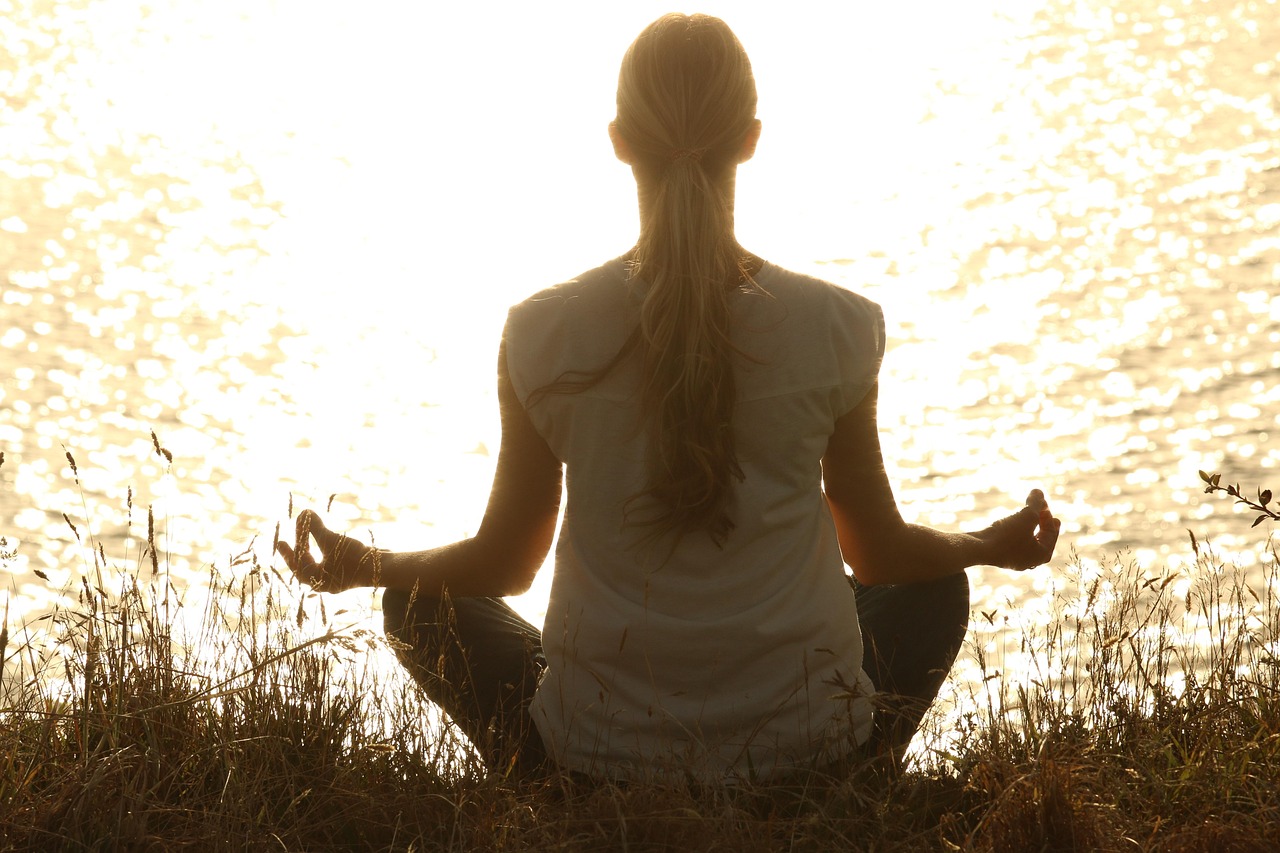
As you embark on your journey with guided meditation for trauma, embrace various tools to enhance your experience. The integration of movement, such as gentle yoga or stretching, can truly amplify the benefits of meditation. These practices can help release physical tension often held within the body as a result of trauma, promoting overall well-being. Creating rituals around your meditation sessions can also deepen your connection. This could include lighting a candle, using essential oils, or incorporating calming music. Incorporate these elements as a means of special dedication to your practice. Additionally, remember that exploring nature can significantly soothe the mind and provide peace. Consider outdoor meditation, where the sounds of nature act as a beautiful backdrop for your practice. Engaging with the world around you can foster a sense of belonging and connection. As the seasons change, observe how nature mirrors your healing process, inviting a time to reflect and grow. Finally, educate yourself about trauma recovery resources available in your community. Understanding that help exists can inspire hope, reinforcing the knowledge that change is achievable with perseverance and commitment.
Building Lasting Change Through Meditation
The journey towards healing through guided meditation is ongoing and transformative. It greatly improves resilience and perspective on trauma’s impact. Committing to a consistent practice can result in profound shifts in emotional well-being. With each meditation session, survivors learn to cultivate self-compassion and strength, leading to empowerment. Moreover, the practice also brings awareness to the mind’s tendencies and habitual thought patterns, enabling individuals to break free from limiting beliefs. Engaging in mindfulness during daily activities can further reinforce the lessons learned on the meditation mat. This allows individuals to interact with life more fully and authentically. Over time, as you develop a deeper connection with yourself, the opportunity for lasting change flourishes. Learning to live within the present moment creates a richer experience, ultimately facilitating happiness and contentment. As you progress, recognize the importance of resilience in facing challenges, as it becomes an essential part of healing. The empowerment gained through meditation can inspire others in similar situations, allowing for shared strength. Celebrate your journey as it intertwines with others, fostering connection through vulnerability and authenticity. Embrace wisdom while focusing on brighter days ahead, knowing that healing is possible.
In conclusion, guided meditation offers invaluable support for trauma survivors on their healing journey. By exploring different techniques and resources, individuals can tailor their practices to best suit their needs. The marvelous interplay between breath, body, and mind emphasized within meditation fosters greater self-acceptance and inner peace. Additionally, the practices pave the way for resilience, empowering survivors to face challenges head-on. As you embrace your unique journey, remember to be patient and kind to yourself as personal growth unfolds naturally. Recognizing the significance of individual experiences is critical, as each step counts towards recovery’s overall success. Celebrate the small victories and honor progress, understanding that it may not always be linear. Seek connections with supportive communities or resources, creating a network of understanding. As you navigate this journey, trust that the path to healing is yours to define. Acknowledge moments of clarity and insight, leading to deeper emotional connections and awareness. Through the art of guided meditation, survivors may not only calm their minds but also unlock a universe of inner strength. Finally, embrace this opportunity for self-discovery, recognizing that healing truly lies within.