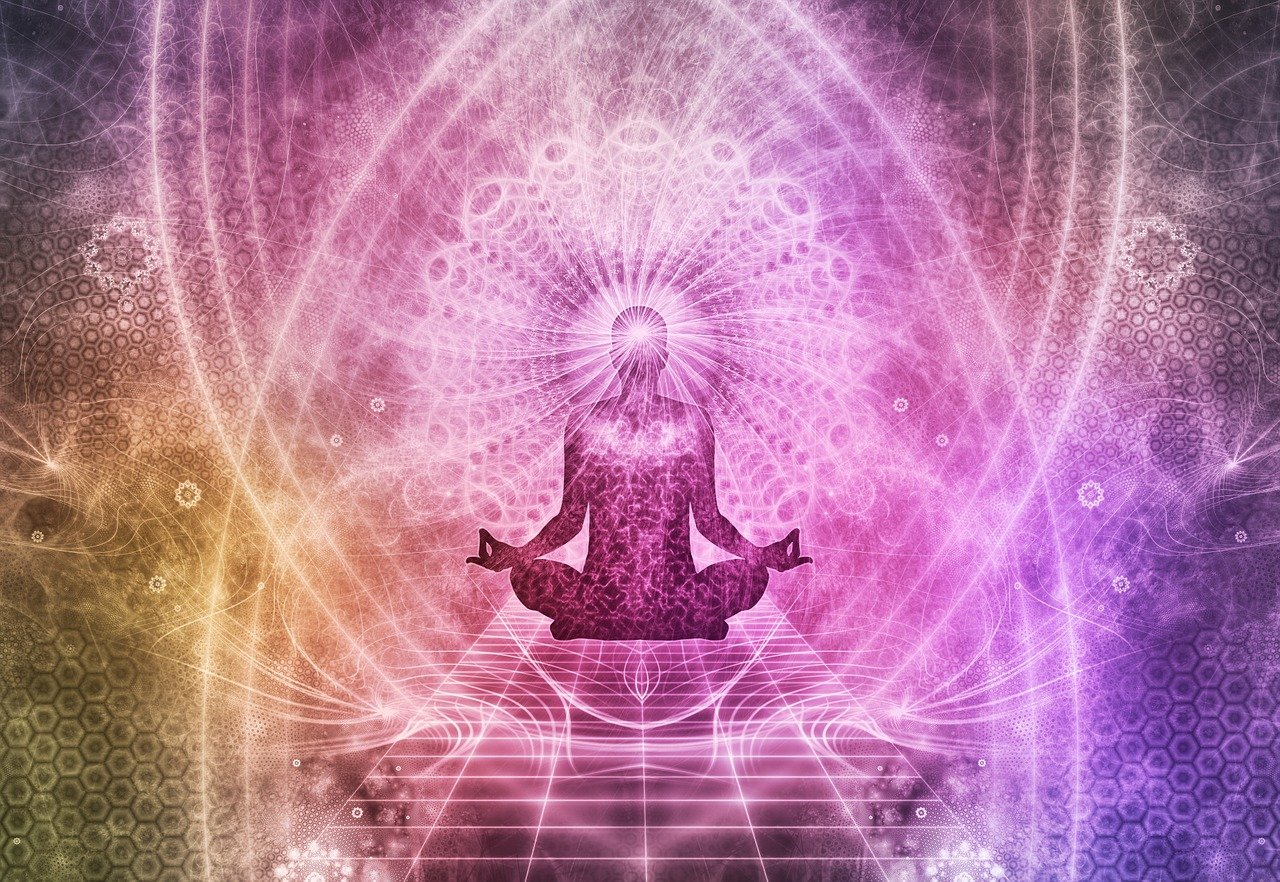

Coping with Panic Attacks through Meditation Practices
Panic attacks can feel overwhelming, leaving individuals in search of effective coping strategies. One powerful tool to consider is meditation, which helps cultivate mindfulness and awareness. By engaging in regular meditation practices, individuals can learn to recognize their anxiety triggers more effectively. This self-awareness allows for preemptive measures to reduce the frequency and intensity of panic attacks. Furthermore, meditation promotes deep relaxation, helping the body to calm down when panic hits. Through techniques such as deep breathing, visualization, and focusing on the present moment, a person can regain control. Additionally, it can provide tools to help manage the physical sensations that accompany panic attacks. Many practitioners find solace in specific meditation styles tailored to anxiety relief. Options include guided meditations that focus on grounding and affirmations that foster positive thinking. Regular practice encourages resilience, helping one feel more empowered in the face of anxiety. Ultimately, integrating meditation into daily routines can be profound, enabling a sustainable path toward emotional balance. Be sure to explore different techniques to discover the best fit for your unique needs.
Another significant benefit of meditation for managing panic attacks lies in its effect on the brain. Research indicates that consistent meditation practices can alter brain structure, particularly in areas responsible for emotion regulation. This can lead to decreased reactivity to stressors and increased emotional resilience. Studies have shown that individuals who meditate regularly often report lower levels of anxiety and depression. Additionally, various meditative techniques can help strengthen an individual’s focus and attention, which can be particularly helpful during moments of panic. Practicing mindfulness through meditation teaches individuals to accept their feelings without judgment. This acceptance can break the cycle of fear and anxiety associated with panic attacks. Moreover, guided imagery and progressive relaxation techniques can reduce physiological symptoms of panic, such as rapid heartbeat or shortness of breath. Engaging the mind in creating peaceful imagery can dramatically change one’s response to an imminent attack. Incorporating meditation into daily routines cultivates a sense of safety and controlled breathing, reducing feelings of panic that often emerge unexpectedly. As individuals gain more control, they can experience noticeable improvements in their overall mental health.
Implementing meditation into one’s life does not require extensive time commitments. In fact, even short daily sessions can yield substantial benefits. Beginners can start with just a few minutes each day, gradually increasing the duration as they become more comfortable with the practice. Many people find the early morning or late evening to be ideal for meditation, providing much-needed solitude. Simple breathing exercises and body scans can serve as effective entry points into meditation. For instance, focusing on inhaling slowly and exhaling deeply can transform feelings of panic into calmness. Apps and online resources offer guided meditations specifically tailored to reduce anxiety. Additionally, joining a meditation group can provide support and enhance motivation, making the practice more enjoyable. Creating a serene meditation environment enhances the experience, such as a comfortable cushion, soft lighting, or soothing scents like lavender. It’s essential to approach meditation without pressure or judgment; the goal is to foster a sense of relaxation and awareness. Over time, individuals may begin to notice changes in how they respond to stressors, leading to improved overall well-being. Consistency is critical to experiencing the full advantages of meditation.
Developing a Personal Meditation Routine
Developing a personal meditation routine is crucial for effectively managing panic attacks. Finding a practice that resonates with personal preferences can increase motivation and make meditation enjoyable. Individuals should explore various techniques to ascertain what feels best for them. Some may prefer breath-focused meditations, while others might enjoy loving-kindness meditation, fostering compassion for oneself and others. It can be beneficial to journal experiences after meditation sessions, noting any insights gained. This practice not only helps track progress but also encourages reflection on triggers and coping mechanisms. Establishing a dedicated space for meditation can enhance the experience, allowing for fewer distractions. Additionally, trying out different styles such as mindfulness, mantra repetition, or transcendental meditation may provide further insight into what works best. Setting realistic goals, such as committing to five minutes daily, can cultivate a sustainable practice. Furthermore, envisioning an achievable meditation outcome helps maintain motivation and commitment. Celebrate small victories along the way, as every minute spent meditating is a step towards greater peace and anxiety management. Consistency, self-reflection, and openness will enrich one’s meditation journey, positively impacting mental health.
In addition to developing a personal routine, understanding the nature of panic attacks can empower individuals to cope more effectively. Knowledge about the physiological process involved in panic, such as the fight-or-flight response, can normalize the experience. By recognizing that panic attacks are not life-threatening, individuals can reduce fear associated with them. Education around stress management techniques, alongside meditation, further bolsters coping mechanisms. This can include physical exercises, journaling, or expressing feelings through creative outlets. Additionally, combining meditation with deep breathing exercises can help mitigate acute panic attacks by calming the nervous system. Engaging with professionals trained in anxiety management can provide additional support, encouraging accountability and growth. Cognitive Behavioral Therapy (CBT) techniques can be especially beneficial when paired with meditation. Many individuals find success in discovering specific thought patterns that contribute to anxiety, allowing for targeted intervention. Embracing a holistic approach to mental health creates a multifaceted plan for overcoming panic attacks. As individuals learn to incorporate meditation alongside other strategies, they may experience a greater sense of agency over their emotional well-being.
Long-Term Benefits of Meditation
Long-term benefits of meditation extend beyond immediate anxiety relief, encompassing emotional stability and improved focus. By committing to a consistent practice, individuals may find their relationship with anxiety evolving. Regular meditation cultivates a sense of compassion and acceptance towards oneself, fostering a more balanced emotional state. Many report feeling increased clarity in decision-making, as meditation helps silence the constant chatter of anxiety-driven thoughts. Furthermore, meditation can contribute to better sleep patterns, improving overall mental and physical health. Sleep disturbances often accompany anxiety, so addressing them through meditation can enhance both quality of life and emotional resilience. Additionally, many practitioners note enhanced creativity and problem-solving skills as meditation encourages new perspectives. The practice may help individuals navigate their emotions, promoting healthy communication, which is essential in interpersonal relationships. As people nurture their mental health through meditation, they often find the ability to engage in life more fully, leading to satisfying experiences and personal growth. Sharing meditation’s benefits with others may empower friends and family, fostering a supportive community dedicated to well-being and emotional health. The cumulative effects of consistent meditation practice serve as a vital tool for managing panic attacks.
Lastly, it’s essential to recognize that while meditation is a powerful tool, it is not a standalone solution for dealing with panic attacks. Integrating various therapeutic methods may yield the best results. For some, combining meditation with medication, therapy, and social support can create a well-rounded approach to anxiety management. Building a strong support network, whether through friends, family, or support groups, can offer encouragement and understanding during challenging times. While developing practices such as yoga or tai chi can enhance the physical aspect of anxiety relief, integrating them with meditation can yield even greater benefits. Exploring different practitioners and methods will help clarify what works best for individual needs. Remaining patient with oneself during this journey is vital, as progress may take time. Reflecting on one’s journey can provide insight into growth and resilience. Healing is not linear, and understanding this can alleviate additional pressure. By cultivating meditation as part of one’s life, individuals move towards a path of healing and empowerment. Encourage self-care, celebrating small milestones, as each step contributes to managing panic attacks more effectively.
Conclusion
In conclusion, meditation offers significant potential for individuals seeking to cope with panic attacks. Engaging in consistent practices builds awareness, promotes relaxation, and fosters emotional resilience. By recognizing anxiety triggers through meditation, individuals are empowered to take charge of their experiences. Building a personal routine that incorporates meditation, alongside other therapeutic methods, can create a comprehensive approach to managing panic attacks. The journey toward emotional well-being can be transformative with dedication and patience. Each practice navigated leads to greater self-discovery, ultimately promoting a healthier relationship with anxiety. Individuals can integrate supportive communities into their journey, enhancing motivation and encouraging growth. Furthermore, remaining open to new experiences allows for continuous learning and adaptation in treatment strategies. In practicing self-compassion, individuals can nurture their personal growth while working towards healing. Meditation’s benefits can resonate throughout many aspects of life, ultimately leading to improved mental health. Employing these practices provides a sense of strength and empowerment. As individuals find calm amidst chaos, they create lasting change in their lives. In the pursuit of mental well-being, let meditation open doors to new possibilities of peace.