
Essential Recovery Methods for Fitness Enthusiasts Abroad
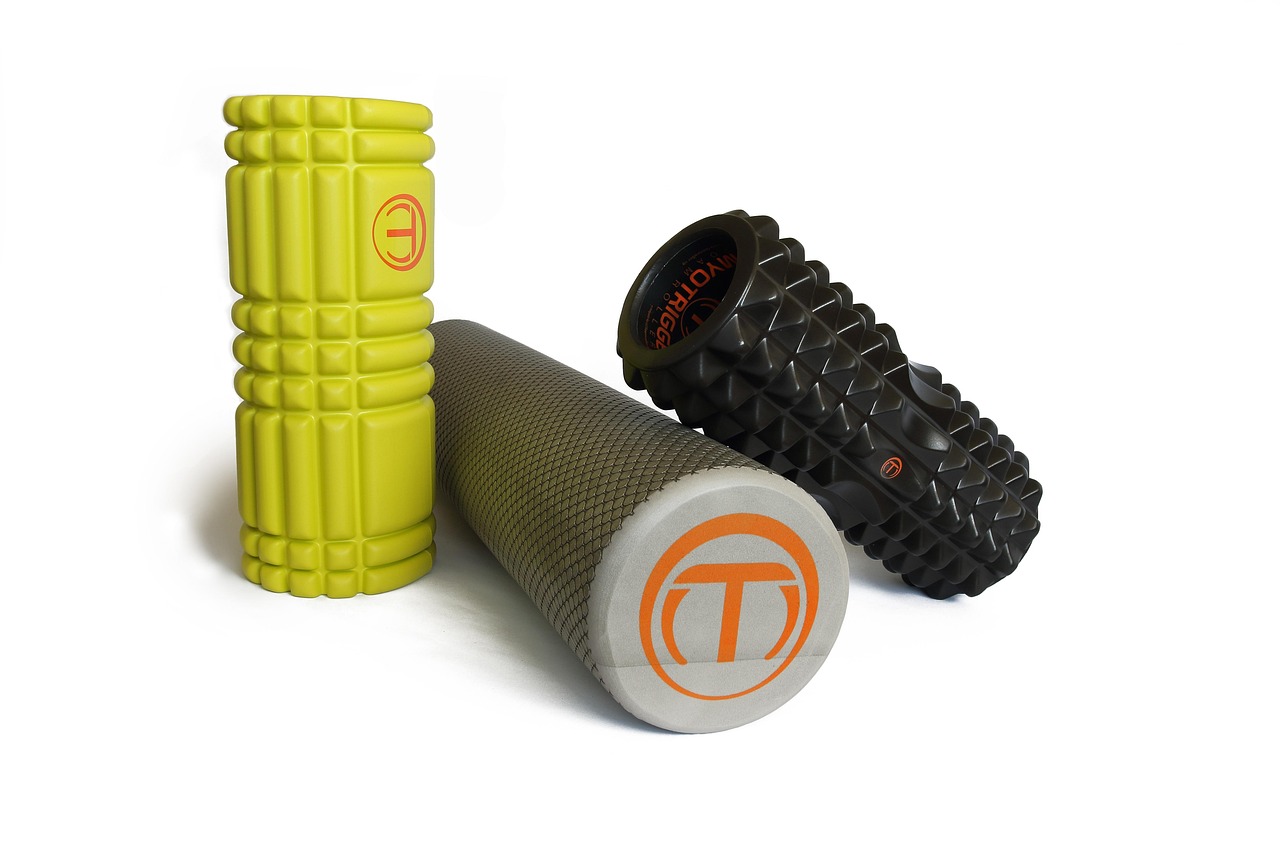
Traveling while maintaining fitness can be a challenge, especially when it comes to recovery methods. Recovery is essential for muscle rejuvenation and overall fitness, but it becomes tricky when you’re in a foreign place. First, understand the importance of staying hydrated. Water helps in muscle repair, while proper hydration flushes toxins out of your body. You can easily find local bottled water to keep your hydration levels high. Secondly, ensure you have a portable recovery kit packed with essentials such as foam rollers and resistance bands. These tools will allow you to perform recovery exercises anywhere. Thirdly, prioritize getting enough quality sleep, as it facilitates muscle recovery and overall wellness. Consider adjusting your schedule to ensure proper rest when you travel. Last but not least, listen to your body. If you’re feeling excessively fatigued, it’s crucial to take a day off from intense workouts. This helps prevent injuries and promotes long-term fitness. Travel might disrupt your routine, but these recovery tips ensure you stay on track and continue to make progress in your fitness journey, no matter where you are.
Another effective method is to engage in light activities like yoga or stretching. After a long day of travel, these activities can help alleviate stiffness and promote flexibility. Many cities offer outdoor yoga classes or peaceful parks where you can unwind and stretch. Additionally, consider local foods that aid in recovery. Foods rich in protein, healthy fats, and antioxidants—like fish, nuts, and berries—can be found almost anywhere. Not only will these foods help nourish your muscles, but they also support overall health. Incorporating these into your meals while abroad can keep you in top shape. Consider visiting local markets to discover fresh produce that fits your recovery diet. Don’t forget to seek out local wellness spas or massage centers, where you can indulge in massages tailored to your recovery needs. A good massage can do wonders for muscle tension and relaxation. Finally, use technology to your advantage; fitness apps can help guide your recovery routines, providing workout suggestions, nutrition tips, and reminders to stay hydrated. By integrating these practices into your travels, you can effectively balance exploration with fitness enhancement, both abroad and at home.
Utilizing Massage and Physical Therapy
In many cultures, massage is integral for recovery. If you’re traveling through countries like Thailand or Sweden, consider investing in a local massage experience tailored to athletes. Different techniques, such as deep tissue or sports massage, can accelerate muscle recovery. Not only does this method alleviate soreness, but it also promotes relaxation. When booking a service, ask about therapists experienced in working with athletes to gain the most benefit. If you’re unable to access a professional service, consider practicing self-massage techniques. Use your hands or a massage ball to target sore areas. Furthermore, research local physiotherapy options if you deal with ongoing injuries. A physiotherapist can provide personalized advice on how to manage and prevent injuries while staying active during your travels. This professional guidance can be invaluable, particularly if you plan on hiking trails or participating in strenuous activities. By integrating these massage and therapy options into your travel plans, you ensure that your fitness regime remains uninterrupted and your body receives the care it requires during your adventures.
As recovery involves much more than just physical treatments, mental recovery plays a substantial role in overall fitness. While traveling, take time to engage in mindfulness practices. Techniques like deep breathing, meditation, or journaling can help center your thoughts and reduce travel anxiety. You can download guided meditations or breathing exercises to practice anywhere. Consider allocating a few quiet moments each day just to reflect and reconnect with your goals. Additionally, adventure can create mental fatigue, so scheduling downtime is essential. This downtime helps prevent burnout and gives you time to recharge. Whether you enjoy reading a book, exploring local art, or listening to soothing music, make sure to incorporate leisure activities into your schedule. You can engage in cultural experiences that may be less physically demanding. Embrace the slower pace and allow yourself to fully enjoy the sights. Not only will mental recovery bolster your overall fitness, but it also contributes to a fulfilling travel experience. Balancing activity with rest allows you to return from your journey both physically fit and mentally refreshed. This ensures longevity in your fitness pursuits upon returning home.
Nutrition Tips on the Go
Nutrition also holds paramount importance in your recovery journey, especially when you are on the road. Eating well fuels your workouts and enhances recovery. Consider packing snacks rich in protein and good fats, such as protein bars, nuts, or jerky to combat hunger between meals. This allows you to avoid the temptation of unhealthy food options available during travel. When dining out, opt for meals that include lean proteins, whole grains, and plenty of vegetables. Learning basic phrases in the local language can help you ask for specific meal preparations or substitutions that align with your dietary needs. For instance, express your need for gluten-free or dairy-free options, ensuring you receive meals that aid your recovery. Next, supplement your diet with vitamins or protein powders that you can easily mix into your meals or drinks. Carrying portable supplements can maintain your nutrient levels while away. Stay mindful of your food choices and prioritize nutrition whenever possible. Knowledge about local dishes and healthy eating can also enrich your travel experience, making you appreciate the culture while supporting your fitness goals.
After your workouts, ensure that you are replenishing lost nutrients effectively. This means consuming a post-workout meal or snack shortly after exercising, ideally within 30 to 60 minutes. The combination of protein and carbohydrates is crucial to promote muscle repair and replenish energy stores. Options like a protein shake with a banana, yogurt with granola, or even a local protein option can be beneficial. Additionally, don’t shy away from local cuisine that offers unique health benefits. Explore traditional dishes which might be both delicious and nutritious; many cultures prioritize health in their cuisine. Researching local specialties beforehand can add excitement to your culinary experience. Another point to highlight is the significance of meal timing as different time zones may disrupt your eating patterns. Try to adjust gradually before your trip to help your body adapt better to new schedules. Finally, keep track of how your body responds to different meals and activities while traveling. Regularly reflect on diet effectiveness and recovery methods as you navigate life on the road. This self-awareness will aid continuous improvement whether you’re at home or exploring new adventures.
Stay Active with Recovery in Mind
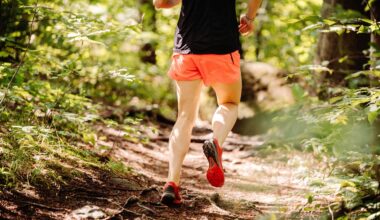
Incorporating recovery strategies while remaining active should be a priority for fitness enthusiasts traveling abroad. Choose activities that enhance your recovery instead of hinder it. For instance, swimming is a low-impact, full-body workout that can aid recovery while you enjoy the local water. Many destinations have lap pools or natural bodies of water you can take advantage of, which also helps soothe sore muscles. Engaging in light activities like walking or hiking can also play a dual role in exploring the local landscape while promoting recovery. Make it a habit to warm up before activities and cool down afterward. This practice minimizes injury risks and enhances recovery rates. Additionally, utilizing local fitness facilities or joining community groups can be beneficial—experience new forms of fitness while adapting your routine. Filming or capturing your activities can also motivate you to reflect on your progress. Remember that the goal is to maintain a balance; ensure you record your activity levels to avoid overtraining. Striking this balance leads to a successful trip that serves both your curiosity and your fitness aspirations.
The benefits of recovery extend into your mental health as well. Traveling can be overwhelming, so incorporating relaxation methods can help mitigate stress. Consider exploring local nature trails or parks to find tranquility amidst your busy itinerary. Utilizing recovery methods that focus on the body and mind ensures optimal performance, especially when balancing exercise and exploration. Take time to engage with local wellness tourism—activities like hot springs, sauna sessions, or wellness workshops can be refreshing. When you embrace recovery into your travels, you’ll not only improve your fitness but also fully immerse yourself in your surroundings. This holistic approach to wellness is crucial for keeping you motivated and energized throughout your activities abroad. By actively seeking recovery while traveling, you build habits that enhance your overall health. This experience not only enriches your journey but also creates meaningful memories along the way. Remember, the ultimate goal is to enjoy your adventures without compromising your health. Embrace recovery; it is not merely an afterthought but should be an integrated aspect of your travel lifestyle, making every journey, whether fitness-related or not, a fulfilling and exciting experience.