
Health Monitoring Apps: An Overview
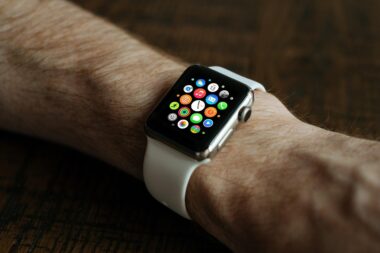
Health monitoring apps have rapidly gained traction in recent years, significantly transforming how users manage their physical and mental well-being. These apps typically offer various functionalities, from tracking physical activity to monitoring sleep patterns and mental health. As individuals grow more conscious of their health, using smartphones has become indispensable in maintaining a balanced lifestyle. Many health monitoring apps are designed to promote physical activity by recording daily steps, heart rates, and calories burned. Additionally, they can streamline health data collection, allowing users to share insights with healthcare professionals effectively. Moreover, the integration of wearable technology has enhanced the capability of these apps, providing real-time feedback on users’ health metrics. Importantly, the psychological aspect of these applications cannot be overlooked. They often include features that help manage stress, anxiety, and other mental health challenges. By tracking emotional well-being, users can identify patterns and triggers that affect their mental health positively. Overall, health monitoring apps aim to empower users to take charge of both their physical and mental well-being, making them a critical tool in modern healthcare.
The Benefits of Utilizing Health Apps
Utilizing health monitoring apps offers numerous benefits that extend beyond merely tracking data. One significant advantage is the enhancement of awareness regarding one’s health metrics. With easy access to health-related data, individuals can better understand their lifestyle choices and make informed decisions to improve their habits. These apps often come equipped with user-friendly interfaces, making it easy for users to interpret their results and set personalized health goals. Furthermore, apps encourage consistency and motivation by providing reminders or alerts for workouts and other significant health activities. Social features enhance these motivational aspects, allowing users to connect with friends for shared challenges and support systems. The gamification of fitness, such as earning rewards for reaching specific targets, also plays a crucial role in maintaining user engagement and commitment. Another vital aspect is the potential for improved communication with healthcare providers. By sharing the collected data from health apps, users can provide their physicians with clearer insights, promoting more tailored treatment plans. This collaboration between users and healthcare professionals can lead to more effective strategies for managing both mental and physical health.
Mental Health Tracking Features
Many health monitoring apps incorporate features specifically aimed at tracking mental health, contributing positively to users’ overall well-being. By allowing users to log their moods, stress levels, and anxiety triggers, these applications foster a better understanding of their mental health states. Tracking mood patterns over time can illuminate connections between users’ physical health and mental well-being. For instance, individuals may discover that poor sleep or prolonged inactivity can contribute to feelings of anxiety or depression. Additionally, many apps provide guided activities such as mindfulness exercises and meditation, which have shown notable efficacy in improving mental health. By integrating these practices, users can cultivate healthier coping mechanisms for stress and emotional challenges. Another exciting feature is the ability to set personal reminders for self-care activities, whether it’s taking a break or practicing gratitude journaling. Many apps also offer community support groups, enabling users to connect with others facing similar challenges. Engaging in this online community can provide inspiration and encouragement, helping users navigate their mental health journey more effectively and successfully.
Privacy and security concerns are prevalent in the realm of health monitoring apps, particularly regarding mental health data. Users often hesitate to share sensitive information about their mental state, fearing misuse or lack of confidentiality. Thankfully, reputable health apps prioritize user security with robust data encryption, ensuring that individual health records remain private. Users should always verify the security measures of an app before downloading and check whether the company adheres to regulatory standards. Transparency about how data is managed and shared is also vital. Users must read the privacy policy to understand what information is collected and how it is utilized. Selecting an app that offers user control over data sharing enhances the overall experience while safeguarding personal information. Moreover, the ability to delete account data upon request is crucial for users wanting to maintain their privacy. Additionally, engaging in discussions around data privacy within the health tech community helps raise awareness and prompt developers to build more secure applications. By prioritizing privacy, users can explore the benefits of health apps without compromising their mental health confidentiality.
The Role of Community Support
Community support is integral to fostering mental health awareness within health monitoring apps. Many applications facilitate user interactions, encouraging sharing experiences and challenges with similar individuals. These platforms provide a crucial space for individuals to connect, reducing feelings of isolation that often accompany mental health issues. By engaging with others, users can share strategies for coping with stress, anxiety, and depression, fostering a sense of belonging and understanding. Community features may include forums, discussion boards, and group challenges that keep users engaged while promoting a supportive environment. Sharing success stories within these communities can inspire others, motivating them to pursue their mental health goals. Additionally, online support groups can be particularly beneficial for those uncomfortable discussing their struggles in person. These virtual connections often serve as a stepping stone for users, leading to improved self-esteem and emotional resilience. Building relationships in this manner can enhance the effectiveness of mental health tracking features, reinforcing accountability and dedication to personal progress. Ultimately, integrating community support features significantly enriches the overall user experience in health monitoring apps.
Challenges and Limitations
Despite the numerous benefits of health monitoring apps, there are challenges and limitations that users should consider. One significant drawback is the reliance on user engagement; many individuals may download the apps but fail to use them consistently. This inconsistency can lead to incomplete data, ultimately rendering the tracking features less effective. Furthermore, age and tech literacy disparities can hinder some users from fully utilizing these technological advancements. Older adults, in particular, may struggle with navigating app interfaces, which can limit their ability to manage their health efficiently. Additionally, users may face oversaturation due to the overwhelming number of apps available, making it challenging to find the most suitable one for their needs. Such confusion can lead to frustration and disillusionment with the overall concept of health monitoring. Moreover, while apps can provide valuable insights, they should never replace professional help for mental health issues. Users must remain discerning about when to seek in-person care, especially if they experience persistent emotional challenges. By recognizing these limitations, users can make more informed decisions about their health monitoring journey.
In conclusion, health monitoring apps have greatly impacted mental health management by empowering users to track and understand their well-being. The benefits encompass fostering awareness, enhancing communication with healthcare providers, and building valuable community support. While the features offered by these applications have proven effective in promoting a healthier lifestyle, it remains crucial for users to approach them with a critical mindset. Recognizing the limitations and challenges associated with health apps ensures individuals can maximize their benefits without overreliance. Privacy concerns should always be considered when selecting an app, and users must be proactive about understanding the data security measures in place. Engaging with supportive online communities can enrich personal experiences, providing motivation and shared insights in tackling mental health issues together. By utilizing these resources mindfully, users can harness the full potential of health monitoring apps in pr. Ultimately, optimizing their health outcomes while prioritizing the integration of professional help when necessary is essential for overall success in mental health management.