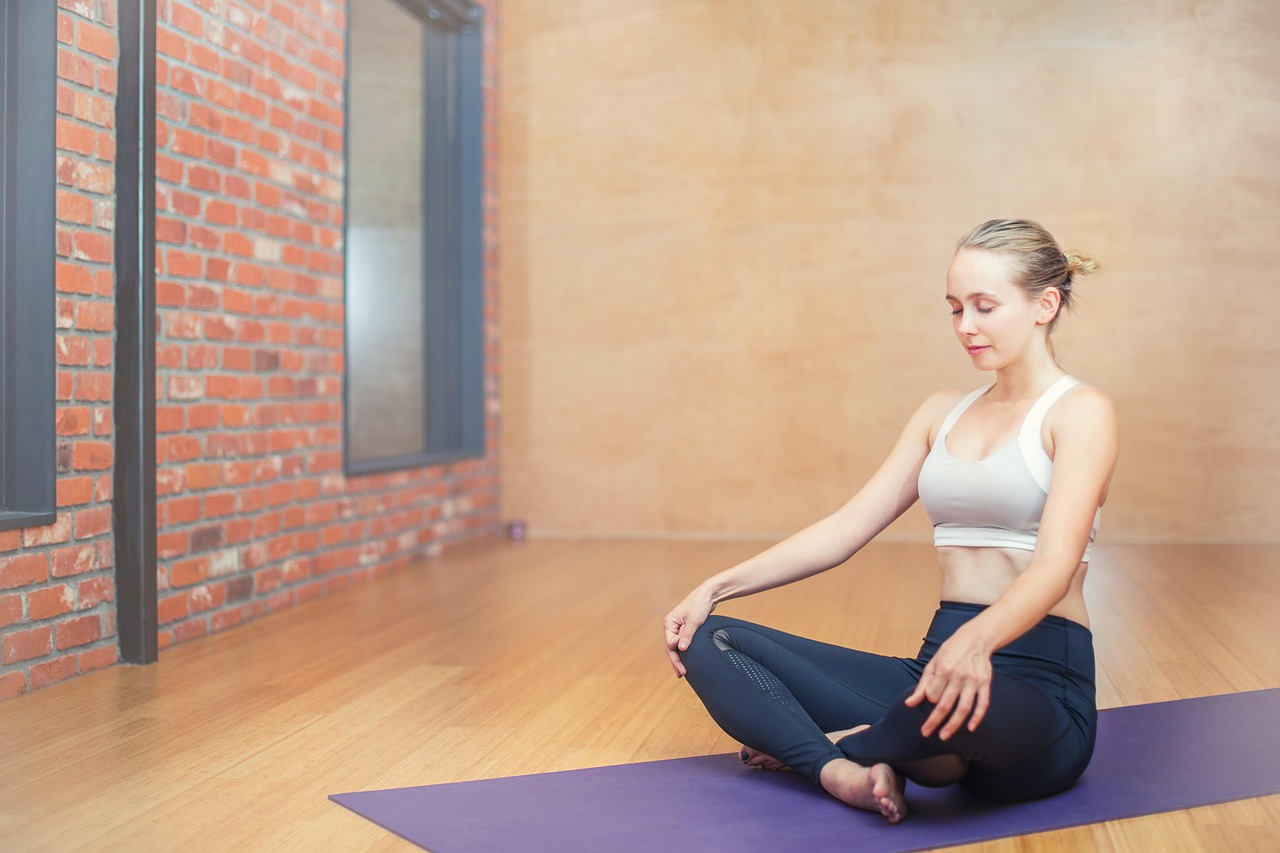

How Can Mindfulness Enhance Prenatal and Postnatal Fitness?
Embarking on the journey of parenthood is an exhilarating experience that carries its unique challenges and joys. One often overlooked aspect during the periods of prenatal and postnatal wellness is the significance of mindfulness. Practicing mindfulness can provide numerous benefits for expectant and new mothers alike, particularly in managing stress and anxiety levels. Expecting mothers can benefit immensely from incorporating mindfulness techniques into their daily routines, enabling them to connect with their bodies and their babies on a deeper level. Furthermore, postpartum fitness can greatly improve with the mindfulness mindset, allowing mothers to be more in tune with their physical and emotional states. Developing a regular mindfulness practice through various forms such as meditation, yoga, or breathing exercises can yield significant improvements in overall well-being. This holistic approach not only nurtures the mother’s mental health but also positively impacts the baby’s development in utero. With mindfulness, women can navigate their changing bodies and emotions more gracefully, fostering a more harmonious transition into motherhood. This article delves deeper into the integration of mindfulness within prenatal and postnatal fitness routines.
Practicing mindfulness during pregnancy enhances the connection between body and mind, ensuring a better awareness of physical changes. This heightened awareness encourages expectant mothers to listen to their bodies, which is essential in tailoring fitness routines that suit their evolving needs. Engaging in mindful activities, such as prenatal yoga or moderate exercises, creates an opportunity to focus on breath control and body awareness. This focus not only deepens relaxation, it also aids in stress relief, all of which can contribute to improving overall mood and reducing symptoms of anxiety. Beyond physical benefits, such a practice fosters emotional resilience, allowing mothers to approach challenges with a calmer mindset. Studies indicate that a mindful approach during pregnancy can lead to more positive birth experiences, with reduced pain perception and increased satisfaction levels. Connecting mindfulness with fitness eases pregnancy discomforts, including nausea and fatigue, enabling women to feel empowered in their journey. Incorporating mindfulness techniques can enhance connection with the baby, promoting positive bonding effects before birth. Hence, integrating these practices during prenatal fitness can yield profound benefits that positively influence both the mother and the developing baby.
After the baby arrives, mindfulness can be equally transformative during the postpartum phase. In this period, mothers often face new challenges, including sleep deprivation, physical recovery, and emotional fluctuations. Engaging in mindfulness practices can assist in navigating these changes, thus promoting an overall sense of well-being. For new mothers, mindful breathing exercises or short meditative sessions can provide necessary breaks from the hectic routines of caring for a newborn. Additionally, incorporating mindful movement practices, such as gentle stretching or postnatal yoga, helps alleviate discomfort and promotes healing. Through these practices, mothers can foster self-compassion, recognizing their needs while enhancing emotional regulation. Establishing a mindfulness routine can create moments of calm amid uncertainty, thereby improving mental health outcomes. Developing awareness without judgment helps mothers to cope with feelings of anxiety or sadness effectively. Furthermore, reinforcing positive self-talk encourages new mothers to embrace their postpartum bodies while promoting a healthier mindset regarding body image. Therefore, mindfulness has the potential to create a positive impact on postpartum recovery, influencing both maternal health and the quality of care provided to the baby.
The Role of Community in Mindfulness Practices
Community plays a crucial role in your mindfulness journey during both prenatal and postnatal phases. Engaging with supportive groups can enhance commitment to mindfulness practices, offering a sense of belonging for mothers navigating these transitions. Fellow mothers often share stories of challenges and triumphs, creating a nurturing environment that fosters collective growth. Group meditation sessions or prenatal classes can amplify mindfulness benefits, providing encouragement and accountability. Many local community centers or health organizations offer classes specifically designed for expectant and new mothers. Participating in these community activities helps build positive relationships that enrich the overall experience of motherhood. Additionally, online platforms also provide ample opportunities for connection and support, making mindfulness accessible for mothers everywhere. Through these shared experiences, women can realize they are not alone in their journeys. Seeking out community support encourages exploration of additional mindfulness practices, broadening one’s toolkit for stress management. In summary, building a community around mindfulness not only enhances individual practices but also strengthens the emotional fabric of the motherhood experience.
Moreover, mindfulness nurtures a holistic approach to health during the stages of motherhood. When mothers embrace mindfulness, they cultivate an awareness that extends beyond fitness, fostering deeper connections with themselves and their families. This shift in perspective nurtures emotional intelligence, which is vital for effective parenting. With improved emotional regulation, mothers can cultivate healthier family dynamics and empower their children to embrace mindfulness as well. Promoting mindfulness in the home can spark positive changes, inspiring families to practice together through activities, such as mindful eating or engaging in nature. By involving children in these activities, mothers can instill lasting values and healthy habits that benefit future generations. Mindfulness encourages appreciation for everyday moments, enhancing family life and creating treasured memories. In turn, happy parents create happier families. Therefore, establishing mindfulness as part of one’s daily routine promotes continuity between fitness, mental wellness, and family bonds. Ultimately, integrating this holistic health approach fosters not only individual wellness but collective family well-being as well.
Conclusion: Embracing Mindfulness
In conclusion, the integration of mindfulness into prenatal and postnatal fitness is invaluable. This multifaceted approach amplifies physical, emotional, and mental health benefits for mothers before and after childbirth. Mindfulness practices can alleviate significant stress while enhancing body awareness. They cultivate a supportive community that nurtures connections between mothers. Furthermore, the promotion of mindfulness positively influences family dynamics, fostering an environment where healthy practices flourish. By incorporating these strategies, mothers can navigate their journeys with grace and resilience. The profound changes during this transformative time can be approached more mindfully. It is essential for mothers to remain dedicated to maintaining their well-being through self-care practices. Recognizing the benefits of mindfulness creates a ripple effect that extends to their families and communities. As more mothers share their experiences with mindfulness, the collective understanding of its benefits will grow. This encourages others to participate actively in their wellness journey, striving to create a future where the mindfulness movement continues to flourish. Each step taken towards mindfulness enriches the experience of motherhood, allowing both mothers and babies to thrive in unity.
To further your journey in prenatal and postnatal mindfulness, consider exploring local resources or classes tailored to your needs. Many healthcare providers offer workshops, which can serve as an excellent way to connect with others while learning mindfulness techniques. Online platforms also feature countless resources, including guided meditations, workout programs, and community discussions. Websites dedicated to prenatal wellness provide ample information and can help facilitate connections with like-minded mothers. Engaging with social media communities can also yield valuable insights and support. Strengthening your commitment to mindfulness can improve your fitness journey significantly. Establishing a routine that incorporates both physical activity and mindfulness can yield powerful results. Remember that personalized practices work best, so taking time to discover what resonates with you is vital. Additionally, maintaining an open attitude towards learning can facilitate further growth and understanding in your mindfulness practice. Each small step taken can lead to a more profound transformation in your life. Cherishing your uniqueness during this journey fosters personal empowerment, making way for a more fulfilling motherhood experience filled with love. Explore, embrace, and enjoy the journey ahead with mindfulness as your guiding anchor.
With the pace of life continuing to accelerate, prioritizing mindfulness may prove especially beneficial. In our fast-paced society, mindfulness offers an essential retreat that encourages deeper engagement with our experiences. It invites us to slow down, breathe, and appreciate the present moment while managing stress effectively. Thus, embracing mindfulness in conjunction with fitness during pregnancy and postpartum can play a pivotal role in cultivating a balanced life. Establishing habits that incorporate these practices can significantly improve mental health, family relationships, and overall happiness. Take time to plan your postpartum workouts that integrate mindfulness, such as yoga, tai chi, or nature walks, creating nurturing experiences for both you and your baby. Each mindful moment committed to your journey can be transformative. With every mindful practice, both expectant and new mothers encourage healthier development for themselves and their children. In conclusion, integrating mindfulness within prenatal and postnatal fitness routines is holistic for both physical and mental well-being. Starting with small steps can gradually lead to more enriching experiences. So, pursue mindfulness through fitness and create an empowering legacy for future generations, embodying health, serenity, and inner peace throughout motherhood.