
How to Select Inline Skates Based on Your Skating Style
Choosing the right inline skates is crucial for maximizing your skating experience. Start by identifying your skating style and purpose. Some skaters prefer recreational skating, while others may lean towards aggressive skating or fitness skating. Each style requires different skate features that cater to specific needs. When looking at recreational skates, prioritize comfort, as you will be using them for prolonged periods. You will generally find these skates have a more relaxed fit and lightweight design, making them easier to put on and take off.
For aggressive skaters, durability and performance are essential. These skates are designed to withstand jumps, grinds, and various tricks. They tend to have shorter frames and smaller wheels, offering better maneuverability. Additionally, the wheel hardness and size can significantly affect your skating experience. Choose a harder wheel for outdoor skating to achieve better speed, while softer wheels are often better for trick skating, as they provide more grip. Be mindful of your environment, as the surface on which you skate can also influence your decisions on skate selection.
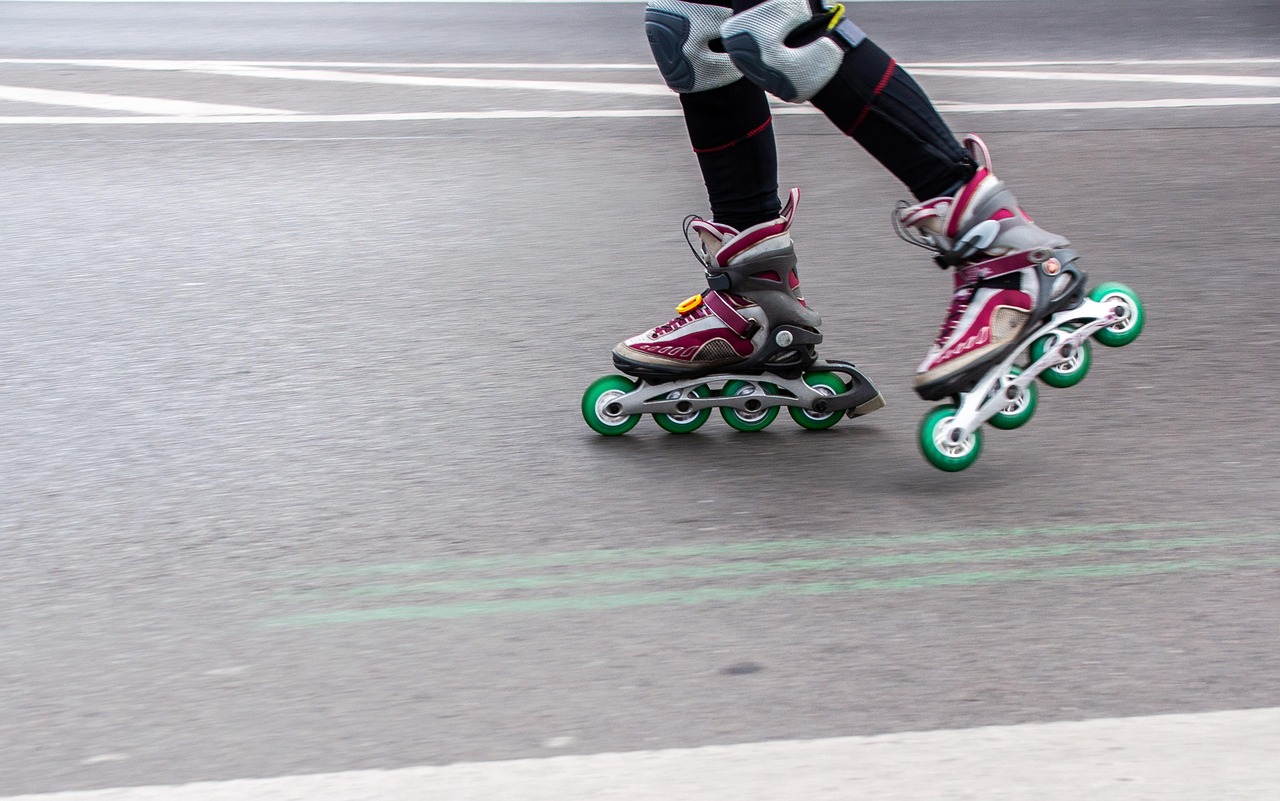
Fitness skates are particularly designed for those focusing on endurance and speed. They usually come with larger wheels that can enhance glide, enabling you to cover long distances with minimal effort. When selecting fitness skates, ensure they fit well and offer good ankle support, which is critical for long sessions. Pay attention to the overall construction and materials used; lightweight and breathable materials are preferable to keep your feet comfortable as you skate. It’s always a good idea to try them out for fit and feel before making a final decision.
Important Features to Consider
When selecting inline skates, consider several features. An important aspect is the boot type. Soft boots provide greater comfort and breathability, while hard boots offer better support and protection during intensive skating. Another consideration is the closure system; skates with a traditional lacing system can offer customizable fit. Some skates also come with buckle systems, which can provide quick adjustments, making them user-friendly. The frame material is also essential; aluminum frames are generally lighter and more robust than plastic frames, improving performance and longevity.
Skate size is another crucial factor. Inline skates should fit snugly but not lead to discomfort. Measuring your feet accurately and consulting the sizing chart of the particular brand can ensure you choose the right size. Remember that brands can have size variations, so relying on their specific guidelines is highly recommended. Trying skates on with the exact type of socks you plan to wear will provide a more accurate feel. A well-fitted skate minimizes the risk of blisters and improves overall stability, which is vital for both performance and safety.
Wheel and Bearing Selection
Pay attention to the size and hardness of the wheels, as they significantly impact your skating experience. Smaller wheels maintain better control and are better suited for tricks, while larger wheels facilitate speed and distance. Consider the durometer, which measures hardness; the higher the number, the harder the wheel. Beginners often find softer wheels more forgiving on bumpy surfaces, offering grips that provide more stability. Finally, choose quality bearings, as they contribute to smooth, efficient rolling, which enhances your overall skate performance.
Investing in quality skates is essential, but don’t forget about safety gear. Protection is crucial, especially for novice skaters. Wrist guards, knee pads, and elbow pads can significantly reduce the risk of injury during falls. Helmets should also be deemed essential; they can offer critical head protection in a sport known for its tumbles. A well-rounded approach to safety ensures that your skating sessions remain enjoyable and less stressful. Additionally, regularly maintaining your skates will prolong their life and optimize performance, offering value over time.
Final Thoughts on Skate Selection
In conclusion, choosing the right inline skates involves assessing your skating style, fit, and the intended usage. It is essential to invest time in understanding the various features available to ensure that you select the best skates for your needs. The appropriate pair of skates not only enhances your experience but also prevents injuries and promotes good skating habits. Therefore, go beyond brands and aesthetics to focus on functionality. Ultimately, skating should be a fun and exhilarating activity for everyone willing to embrace it.