
Hydration and Nutrition: The Post-Workout Combo to Boost Recovery
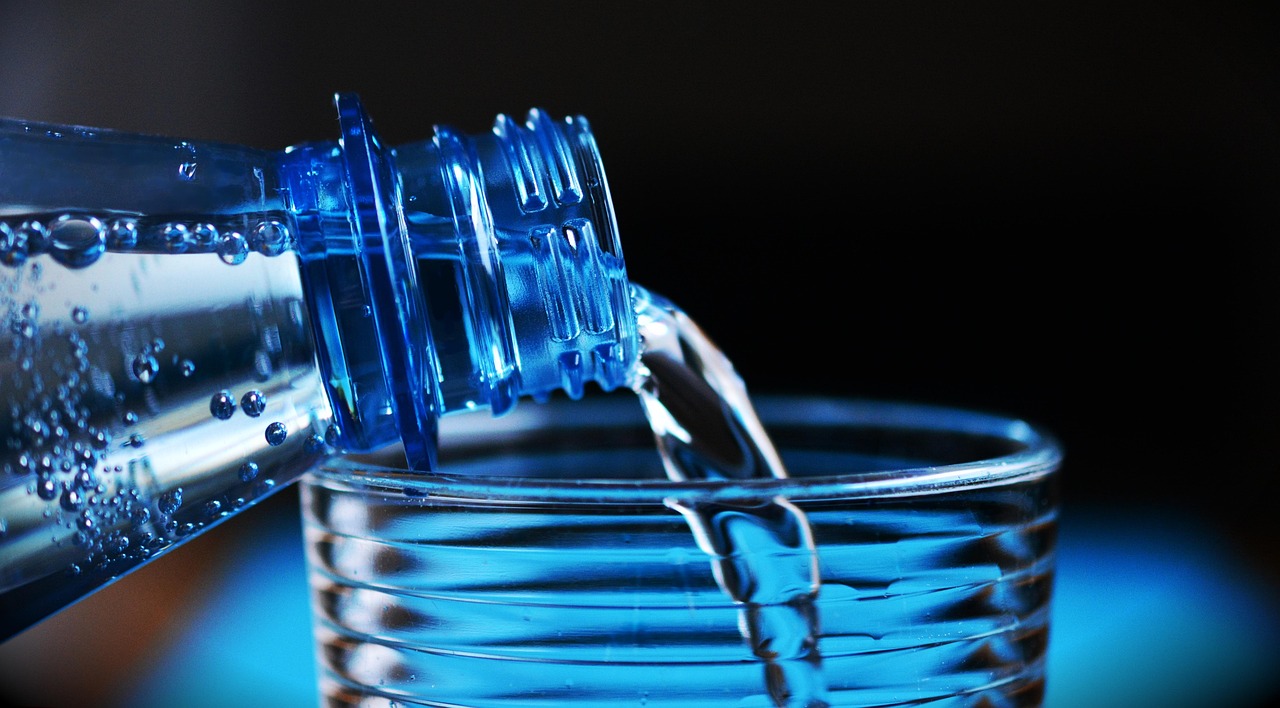
After an intense workout session, athletes often face the critical need for proper nutrition and hydration. Hydration plays a pivotal role in recovery, helping to replenish lost fluids and maintain overall performance. During exercise, athletes lose water, electrolytes, and minerals, which can lead to dehydration if not addressed promptly. Consuming an adequate amount of fluids post-workout ensures that the body can recover efficiently and helps to prevent fatigue and cramping. Water is beneficial, but incorporating electrolyte drinks can enhance recovery, as they help to restore the balance of electrolytes that may have been depleted during exercise. Aim to rehydrate within 30 minutes after finishing the workout, as this is when your body is most receptive to reabsorption. Effective hydration not only aids recovery but also prepares your body for future workout sessions. Incorporating restorative practices such as hydration into post-workout routines can improve performance, speed up recovery, and reduce injury risk. Therefore, embracing proper hydration strategies is essential for athletes looking to optimize their performance and long-term health.
Alongside hydration, nutrition following exercise is vitally important for recovery. Athletes should focus on consuming a balanced meal of carbohydrates and proteins within 30 to 60 minutes post-exercise. Carbohydrates help restore glycogen levels depleted during workouts, while protein supports muscle repair and growth. A great post-workout meal could include lean meat, fish, quinoa, fruits, and vegetables, which provide essential nutrients to restore energy levels. Often, protein shakes or recovery bars are convenient options for athletes on the go. However, it’s crucial to ensure that these products contain a balanced ratio of carbs and protein. Pairing protein and carbohydrates can lead to a synergistic effect, maximizing muscle recovery and preparing the athlete for their next training session. Supplements may also be beneficial for some; however, it is recommended to consult with a healthcare professional or nutritionist before starting any supplement regimen. By prioritizing both nutrition and hydration, athletes create an environment conducive to efficient healing and optimal performance. Enhancing nutrient timing strategies can lead to improved strength and overall fitness results.
The Importance of Timing
Timing is essential when it comes to post-workout nutrition and hydration. Consuming the right nutrients within specific time frames has a significant impact on recovery. The concept of the “anabolic window” refers to the period immediately following workout sessions when the body is most adept at nutrient absorption. This critical window can last up to two hours, during which the muscles are particularly responsive to incoming nutrients. Failing to capitalize on this window can limit recovery effectiveness and slow down gains in muscle strength and endurance. Therefore, athletes are encouraged to have a recovery meal or snack ready and to hydrate accordingly. Post-workout snacks, which can include yogurt with fruit, smoothies, or whole-grain toast with almond butter, are ideal choices. Moreover, consuming these within 30-60 minutes post-exercise ensures optimal muscle recovery. Regardless of the time it takes to get home or prepare a meal, pre-planning and preparation are vital to maintaining optimal hydration and nutrient intake. Create a routine that streamlines post-workout nutrition for maximum effectiveness.
In addition to protein and carbohydrates, certain micronutrients also play a crucial role in recovery. Vitamins and minerals such as magnesium, potassium, and calcium are necessary for muscle function and recovery. A balanced post-workout meal should ideally include a variety of colorful fruits and vegetables, ensuring the intake of diverse micronutrients. Additionally, antioxidants found in berries, dark leafy greens, and other vibrant foods can help reduce oxidative stress after intensive workouts. Consuming these foods also helps minimize muscle soreness and promotes a healthy inflammatory response. It’s important to research and understand which foods provide these vital micronutrients and how they can be incorporated into recovery meals. Smoothies, salads, or hearty vegetable stir-fries are examples of delicious and nutritious options to consider. The majority of athletes benefit from tailoring their diet to meet their specific needs and exercise demands. Keeping meals exciting and varied can also enhance motivation and adherence to post-workout nutrition strategies. Overall, focusing on a colorful array of food choices ensures optimal recovery and supports athletic performance.
Hydration Strategies for Athletes
Implementing effective hydration strategies is vital for optimizing recovery and performance. Athletes should monitor their hydration status regularly, utilizing tools such as urine color charts or hydration tracking apps. These tools can help determine whether you’re adequately hydrated or need more fluids. Additionally, it’s crucial to incorporate fluids throughout the day, not just during and immediately post-workout. Imagine sustaining a healthy routine where fluid intake is consistent – your performance will benefit greatly. Water is excellent for hydration, but electrolyte drinks can be beneficial, especially for those engaging in prolonged or intense workouts. The addition of sodium, potassium, and other electrolytes assists in replenishing lost minerals and maintaining fluid balance. Athletes should also consider their individual needs, as factors such as exercise intensity, duration, and environmental conditions influence hydration strategies. Consistently replenishing fluids before, during, and after workouts fosters an optimal performance mindset. By creating a structured hydration plan, athletes can effectively enhance recovery, boost overall performance levels, and maintain their competitive edge.
Post-workout recovery does not only include nutrition and hydration; lifestyle factors play a significant role as well. Sleep, stress management, and relaxation techniques contribute to overall recovery and performance improvement. Quality sleep is essential for muscle recovery, hormonal balance, and energy restoration, making it a fundamental aspect of an athlete’s routine. Aim for 7-9 hours of quality sleep each night to promote effective recovery. Moreover, incorporating stress management techniques like gentle yoga, meditation, or mindfulness exercises can aid in reducing post-exercise fatigue. Adopting practices to lower stress levels contributes positively to muscle recovery and enhances mental focus. Setting aside time for these recovery methods is just as important as training. Furthermore, active recovery days that include light stretching, walking, or swimming can assist in maintaining blood circulation, which aids in nutrient transport to muscles. By integrating lifestyle strategies with proper nutrition and hydration, athletes can create a holistic approach to recovery, ultimately leading to improved consistency and performance in training and competition.
Summary: The Power of Post-Workout Nutrition and Hydration
Ultimately, athletes who understand the benefits and strategies of post-workout nutrition and hydration are better equipped to enhance their recovery and performance. Effective rehydration and balanced nutrition after exercise ensure that muscles receive adequate nourishment while promoting optimal healing. Emphasizing timing, nutrient composition, and hydration strategies empowers athletes to make informed dietary choices. Remember to listen to your body, as it often provides valuable signals regarding your hydration and nutritional needs. Implement effective recovery techniques that suit your lifestyle, from meal planning to hydration strategies. By concentrating on these vital aspects after workouts, athletes can experience significant improvements in efficiency and performance. Furthermore, the cumulative benefits of proper post-workout nutrition and hydration extend beyond training; they also enhance overall well-being, allowing athletes to enjoy their sports with greater enthusiasm. Embrace the concepts and practices discussed, as they can lead to a more fulfilling athletic journey filled with challenges and triumphs. Stay consistent, energize your workouts with powerful recovery tactics, and watch your performance skyrocket.
This is an example of how nutrition intertwines with hydration, revealing the intricate connections in sports recovery. Staying motivated and informed about both elements can significantly influence your athletic performance.