
Hydration Strategies for Skateboarding Training and Performance
Hydration is a critical element in skateboarding training and performance. As athletes, skateboarders engage in high-intensity activities that naturally lead to dehydration if proper measures are not taken. Understanding how to effectively hydrate can enhance performance and prevent health issues, such as heat exhaustion. A well-rounded hydration strategy includes drinking enough water before, during, and after training sessions. Water helps regulate body temperature and ensures optimal muscle function, both vital during skateboarding. In addition to water, electrolyte drinks provide important minerals that can further facilitate hydration. Electrolytes replenish loss due to sweating, making them ideal for long training sessions. It’s advisable to monitor signs of dehydration, such as dry mouth or fatigue. Incorporating fruits with high water content, like watermelon or oranges, can also aid hydration. Lastly, make it a point to hydrate before sitting down to skateboard. Regular hydration habits form the foundation for improved endurance and recovery, thus promoting better performance on the board. By prioritizing hydration, skateboarders are better equipped to handle the rigorous demands of their sport, ensuring improved performance outcomes.
To optimize hydration during skateboarding training, precise timing of fluid intake is essential. Start by establishing a hydration schedule based on your specific needs, which may vary depending on individual factors such as weight or climate. A general guideline includes consuming approximately 500 ml of water two hours before a training session, which adequately prepares your body for exertion. During training, sipping water every 15-20 minutes keeps hydration levels stable, preventing dehydration throughout your session. If training exceeds an hour, consider incorporating electrolyte drinks for added minerals lost through sweat. Monitor fluid loss by weighing yourself pre-and post-session; this helps gauge hydration needs more accurately. Remember that not all fluids are created equal. Caffeinated or sugary beverages can lead to dehydration, so it’s wise to limit their intake. In between sessions or competitions, opt for hydration options that include beneficial electrolytes. Frequent hydration rounds can be beneficial for performance and stamina. Furthermore, adjusting hydration strategies according to training intensity and duration is crucial. This way, you can maximize performance while skating and minimize fatigue effects, ensuring every session meets its full potential.
Understanding Electrolytes
Electrolytes play an integral role in effective hydration strategies for skateboarders. These minerals, found in blood and bodily fluids, help maintain fluid balance, regulate muscle function, and support neural activity. Common electrolytes include sodium, potassium, magnesium, and calcium. Skateboarders expend considerable energy during training and competition, often leading to significant electrolyte loss through sweat. Replenishing these minerals is as vital as drinking water. Sports drinks containing electrolytes are formulated to replace what is lost during intense physical activity. When choosing a drink, focus on options low in sugars but high in essential electrolytes. Reading labels allows you to select drinks with optimal sodium and potassium levels for replenishing lost resources. Natural sources, such as coconut water or homemade electrolyte drinks using lemon juice, salt, and honey, are also effective. Incorporating the right balance of electrolytes into your hydration routine enhances both physical performance and recovery, especially in challenging conditions like heat. For skateboarding athletes targeting peak performance, paying attention to electrolyte intake alongside hydration is paramount for achieving your training objectives. Balanced hydration significantly contributes to improved stamina and resilience during rides.
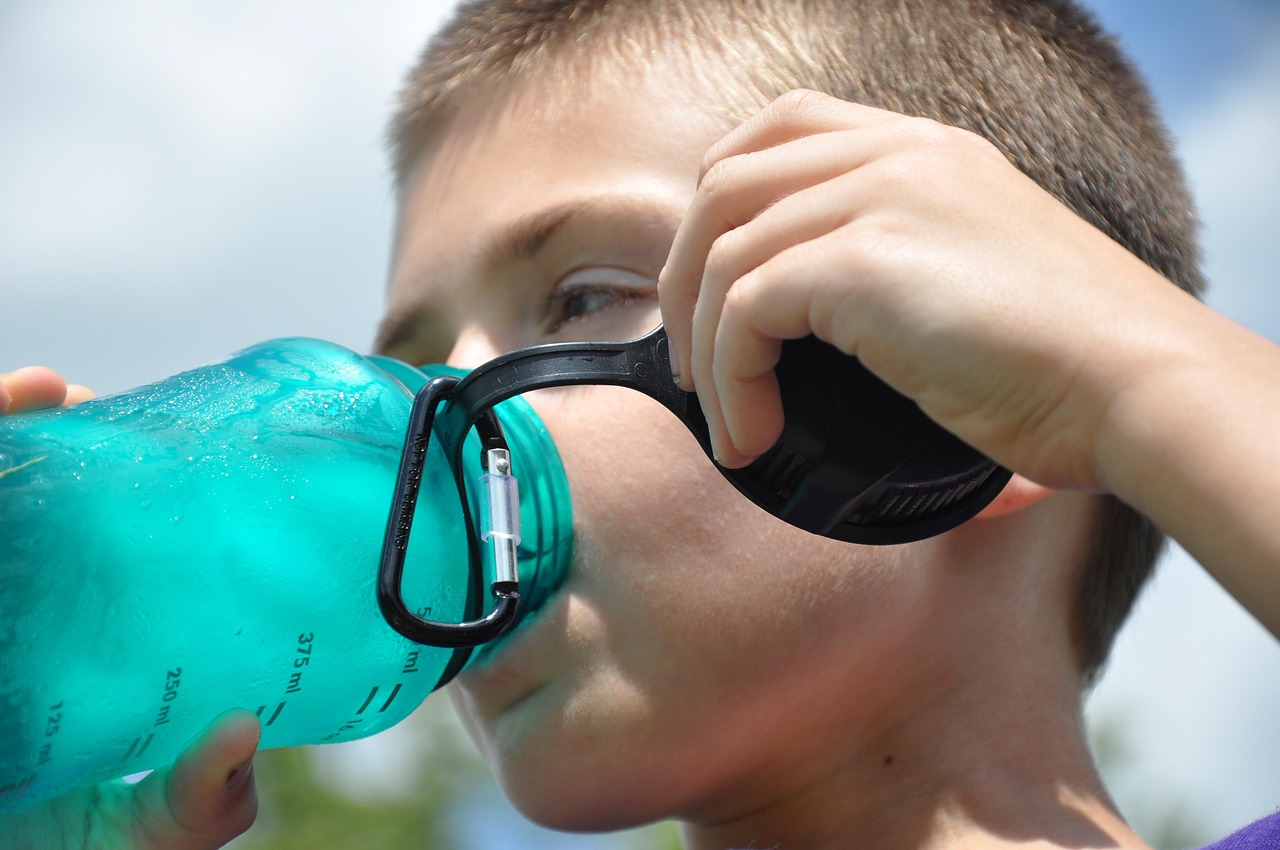
Maintaining hydration for skateboarding training extends beyond just what you drink; it includes how much you consume throughout the day. Regular sips of fluids are more effective than large quantities consumed infrequently. Make hydration a consistent habit, similar to eating balanced meals regularly. For those who struggle to remember to hydrate, using an app or setting reminders can create a disciplined approach to fluid intake. Keeping a reusable water bottle nearby promotes continuous hydration during breaks. It’s crucial to listen to your body’s cues for thirst, which are often reliable indicators of hydration needs. Additionally, post-training recovery is equally vital; for every pound lost during a session, it’s recommended to drink approximately 16-20 ounces of fluids to aid recovery. Include both water and electrolyte-rich beverages after sessions. This not only helps replenish what was lost but also expedites muscle recovery and promotes overall well-being. Developing a habitual routine around hydration reinforces its importance, allowing skateboarders to balance fitness goals effectively while staying energized and ready for their next session. Ultimately, attention to hydration ensures longevity in the sport.
Hydration and Weather Conditions
The influence of weather conditions on hydration strategies for skateboarding training cannot be overstated. Factors such as heat, humidity, and altitude can dramatically affect your hydration needs. In hot weather, your body loses fluids at a faster rate, necessitating a proactive approach to hydration. Skateboarders often underestimate their sweat loss, especially during intense summer training. Aim to drink more fluids during heatwaves, considering drinks with electrolytes to replace lost minerals. In humid conditions, sweat does not evaporate as efficiently, making it essential to maintain fluid intake frequently. Pay attention to your body’s need, as the signs of dehydration might not be felt until your performance declines. Furthermore, flying or training at higher altitudes can also contribute to faster dehydration due to thinner air and decreased humidity. Adjust your hydration strategy to include increased fluid intake in these environments. Staying aware of external factors and incorporating a tailored hydration plan can significantly impact athletic performance. By adapting your techniques according to weather conditions, skateboarders can ensure they maintain balance and energy during training sessions, thereby enhancing overall performance.
Nutrition and hydration strategies for skateboarders are often intertwined, each affecting the other. A well-balanced diet rich in vitamins and minerals not only fuels the body but also optimizes hydration levels. Consuming whole foods, such as fruits, vegetables, lean proteins, and whole grains, significantly contributes to bodily hydration. Many fruits with high water content, like cucumbers and strawberries, provide hydration and essential nutrients. Before training sessions, snack on foods that hydrate while delivering energy, such as Greek yogurt or smoothies made with fruits and vegetables. This immediate energy boost can enhance performance during training. Be cautious about heavy meals that might sit uncomfortably during your ride, affecting your ability to concentrate and perform. Post-training nutrition is just as crucial, offering an opportunity to replenish lost fluids and nutrients. Incorporate hydration strategies that consist of protein, carbohydrates, and fluids to support recovery. This synergy between nutrition and hydration fosters a strong foundation for improved performance. Crafting a comprehensive nutrition plan alongside hydration techniques enables skateboarders to fully experience their training while minimizing injuries and enhancing muscle recovery.
Conclusion: The Importance of Hydration
In conclusion, implementing effective hydration strategies is essential for skateboarders aiming to maximize their training and performance. The balance between water and electrolyte intake is crucial; this ensures that skateboarders can maintain high levels of energy while on the board. A versatile hydration approach must consider not only factors such as the duration and intensity of training sessions but also external conditions such as weather and individual body responses. Monitoring signs of dehydration can serve as an essential guide, prompting adjustments in your hydration plan. A consistent focus on hydration can also foster improved recovery, allowing skateboarders to bounce back quicker after sessions. Furthermore, by integrating hydration into the broader context of nutrition and lifestyle habits, athletes can enhance their overall health and performance outcomes. Continuous learning about hydration science can also offer skateboarders innovative ways to remain hydrated effectively. Thus, prioritizing hydration in training regimens will lead to better athletic results and enjoyment from the sport. Ultimately, approaching hydration thoughtfully helps skateboarders ensure longevity in the sport while experiencing peak performance throughout their training journey.
Skateboarding is an exhilarating sport that can be physically demanding, making hydration strategies immensely important. Effective hydration not only enhances athletic performance but also minimizes health risks. Engaging in skateboarding requires sustained energy and a sharp focus, both of which can falter due to inadequate hydration levels. Therefore, developing a personalized hydration plan aligns closely with achieving optimal results in training. Understanding hydration basics—like the difference between plain water and electrolyte beverages—can help skateboarders choose their hydration options wisely. Investing time into learning about proper hydration strategies helps skateboarders maintain stamina, energy levels, and overall well-being. Proper hydration is a key to achieving personal bests, making it a fundamental aspect of a skateboarder’s training regimen. In light of this, the skateboarding community should foster discussions surrounding hydration to increase awareness and encourage best practices. By increasing knowledge and sharing experiences related to hydration, skateboarders can create a culture of performance optimization. Skateboarding represents not just a physical challenge, but also a mental one, and hydration strategies can lead to significant breakthroughs in this journey.