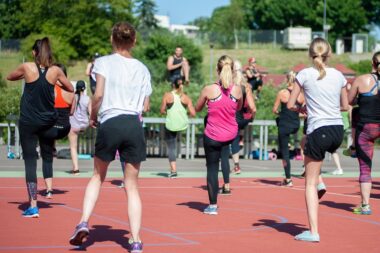

Incorporating Music and Rhythm: Impact on Mental Health Through Dance Aerobics
Dance aerobics has emerged as a popular exercise modality, particularly useful for promoting mental health. The rhythmic movements combined with music engage participants physically and emotionally. Engaging in dance aerobics can release endorphins, often referred to as the “feel-good hormones.” These biological changes can lead to improved mood and reduced stress, making this form of exercise valuable for mental well-being. Studies have shown that integrating music and rhythm into physical activities enhances performance and enjoyment. As individuals dance to music, they develop a stronger connection to their bodies, fostering a sense of achievement. Moreover, joining group classes of dance aerobics can create a community atmosphere, promoting social interaction while exercising. This community aspect can combat feelings of isolation and loneliness, which are prevalent in many mental health conditions. Dance aerobics not only provides physical benefits but also serves as a non-verbal expression, allowing participants to let go of stress. Overall, embracing dance aerobics can facilitate holistic well-being, combining the joy of movement with mental health benefits that affect daily life positively.
When discussing the benefits of dance aerobics, it’s crucial to recognize its impact on lowering anxiety and depression levels. Research indicates that regular participation in physical activities, particularly those involving rhythm and music, can lead to significant improvements in mood. This is due to the body’s release of serotonin, another natural mood enhancer triggered by physical activity. During dance aerobics, individuals engage in high-energy routines that promote cardiovascular fitness while simultaneously engaging the brain. The act of dancing can foster a sense of joy and liberation, further diluting feelings of sadness and anxiety. Moreover, the social aspect of group classes contributes to a supportive environment, where camaraderie can flourish. Participants can share their experiences, encouraging each other and building lasting friendships. The incorporation of various dance styles into aerobics not only keeps the routines fresh but also caters to individual preferences. Different genres of music can affect mood differently; hence, choosing the right playlist becomes paramount. By embracing diverse rhythms, instructors can tailor sessions to evoke specific emotions, enhancing the overall therapeutic effect of dance aerobics.
The Cognitive Benefits of Dance Aerobics
Engaging in dance aerobics influences cognitive functions positively, contributing to mental clarity and improved focus. Cognitive health is often linked to physical activity; the rhythmical movements stimulate brain activity, thereby enhancing coordination and memory. Studies have suggested that learning new dance routines can challenge the brain, leading to the development of new neural connections. This type of mental engagement is essential as people age, promoting better cognitive longevity. Dance aerobics often involves memorizing steps and patterns, which can stimulate mental activity similar to puzzling or learning new skills. This keeps the mind sharp and resilient against age-related cognitive decline. Furthermore, the social element of dance classes fosters a sense of purpose and belonging, which is especially important for older adults. Engaging with peers not only provides motivation but also nurtures communication skills through shared experiences. The excitement of learning and progressing in dance aerobics can build self-esteem, further enhancing cognitive benefits. Thus, integrating dance aerobics into regular routines can be an effective strategy for maintaining cognitive health while enjoying the benefits of physical exercise and social interaction.
In addition to cognitive benefits, dance aerobics enhances emotional resilience. The nature of movement creates opportunities for emotional release, which is crucial for mental wellness. As individuals dance, they often channel their feelings into their movements, providing an outlet for pent-up emotions. This practice can be incredibly therapeutic, allowing participants to confront their feelings while integrating physicality. Moreover, this form of expression can cultivate greater self-awareness and emotional intelligence. Skills developed during these classes may help individuals manage their emotions better in daily life. The variety of music used also plays a significant role, as different beats can evoke different emotional responses, enriching the dance experience. Classes often incorporate various genres, so participants can resonate with styles that reflect their moods at the time. This flexibility reinforces the idea that dance aerobics is not mere exercise but a form of emotional and psychological therapy. Therefore, dance aerobics can be seen as a holistic approach to well-being, addressing both physical and emotional aspects and potentially transforming how individuals cope with life’s challenges.
Integration Into Therapeutic Practices
With an increasing focus on holistic health care, dance aerobics has gained recognition as a complementary therapeutic practice for treating various mental health issues. Therapists have begun incorporating dance and movement into treatment plans for anxiety, depression, and PTSD among other conditions. This approach recognizes that movement can be a powerful tool for healing. Dance provides non-verbal ways to express feelings that patients may struggle to articulate. Consequently, therapeutic dance aerobics can often lead to breakthroughs in emotional expression and personal insight. The engagement with music and rhythm forms a sensory experience; individuals can synchronize their movements with the beat, promoting mindfulness and presence. As patients become immersed in dance, they often find themselves more in touch with their bodies, enhancing their self-esteem and promoting body positivity. Dance is an inherent joy for many people; thus, utilizing it therapeutically promotes a shift from traditional treatment modalities to more dynamic ones. Consequently, this integration fosters a sense of community and support, crucial for recovery in group settings, enhancing collective healing experiences among participants.
Barriers may exist that can deter individuals from participating in dance aerobics, such as lack of confidence or fear of judgment. Addressing these concerns is vital to ensuring inclusivity and participation. To promote acceptance, it is essential to create a non-judgmental space in classes where everyone feels free to express themselves, regardless of skill level. Providing options for different intensity levels and modification can help novices feel comfortable while not overwhelming veterans. Instructors play a crucial role in this process, encouraging participants and emphasizing that everyone can dance. Workshops and community initiatives can offer trial sessions aimed at reducing intimidation associated with starting dance aerobics. Additionally, online classes or virtual sessions can provide individuals with greater comfort, allowing them to build confidence in a private setting. Building awareness of the mental health benefits tied to dance aerobics can help attract those who may benefit most. By highlighting testimonials and success stories, individuals can feel more motivated to join classes. Consequently, lowering barriers is essential in making dance aerobics accessible, ensuring more individuals reap its significant mental health benefits.
Conclusion: A Dance Towards Better Mental Health
In conclusion, the integrative practice of dance aerobics serves as an excellent pathway for enhancing mental health. The dynamic combination of movement, rhythm, and community fosters an atmosphere conducive to emotional and mental well-being. By partaking in these activities, individuals may find themselves experiencing profound improvements in mood, cognitive function, and emotional resilience. Accessing dance aerobics may also present unique opportunities to connect with others, providing essential social support necessary for navigating life’s complexities. The power of music in energizing these movements cannot be overlooked, as each beat encourages participants to engage fully. Furthermore, the adaptation of dance aerobics into therapeutic frameworks demonstrates the versatility of this art form in addressing various mental health challenges. For those facing barriers to participation, cultivating a welcoming environment can alleviate reluctance and encourage involvement. As the world gradually recognizes the connection between physical activity and mental health, dance aerobics stands out as a vibrant option. By embracing this expressive form of exercise, individuals are metaphorically dancing their way to better mental health, enhancing lives and building healthier communities.
Dance aerobics provides an extraordinary avenue to explore mental health through movement, and we encourage everyone to join and discover its benefits.