
Kettlebell Snatch Conditioning for Competitive Athletes
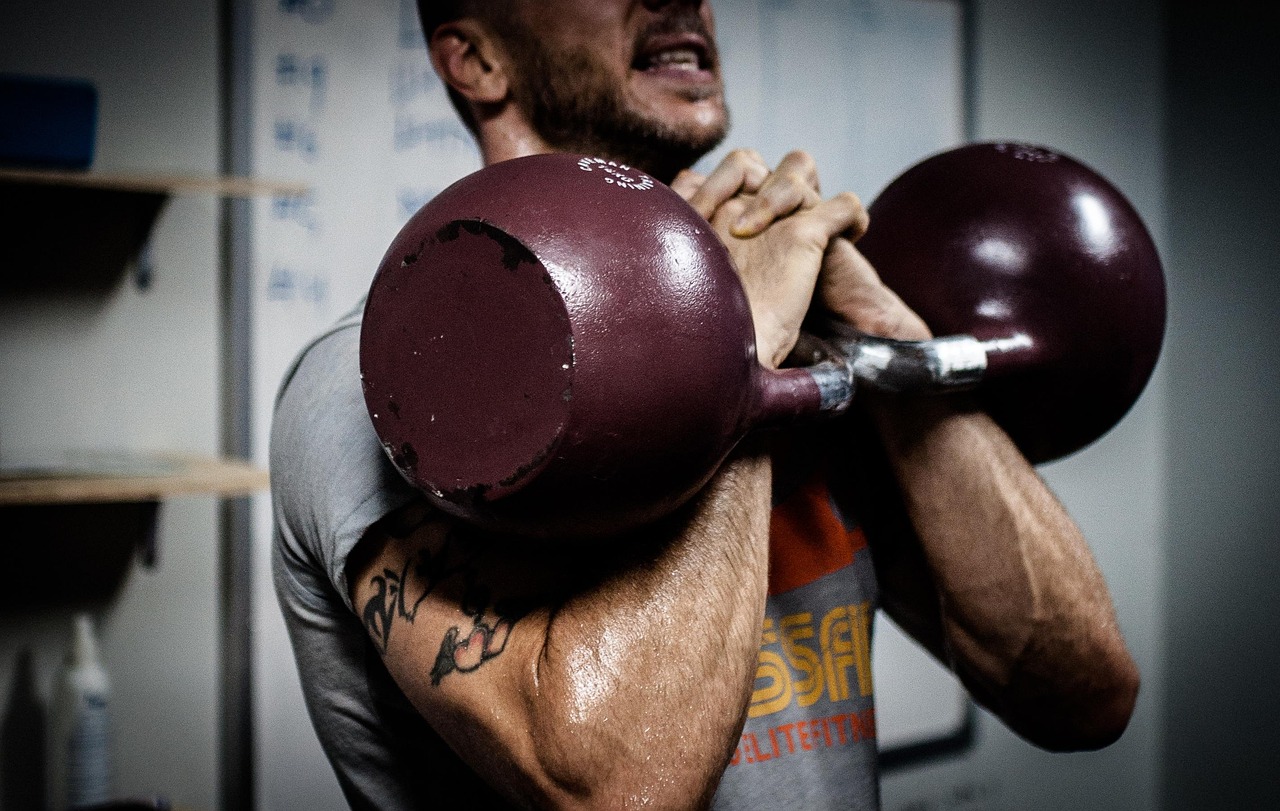
The kettlebell snatch is a powerful movement that combines strength, endurance, and coordination. It’s particularly valuable for competitive athletes who seek an edge in their training regimen. Unlike standard lifts, the kettlebell snatch promotes explosive power and cardiovascular conditioning. This article will guide you through various conditioning strategies tailored for athletes. First, mastering the technique is essential. A proper snatch allows for efficiency in movement and energy conservation. Begin with lighter weights to develop technique, ensuring your form is correct before increasing resistance. Athletes can benefit greatly from incorporating kettlebell snatches into their routine. Conditioning not only builds strength but also enhances overall athletic performance. Additionally, integrating snatches into high-intensity interval training (HIIT) can boost cardiovascular endurance. The transition from the swing to the snatch requires practice. For athletes focused on competition, incorporating drills and timed sets can build confidence. Remember, progression is essential; ensure your body has time to adapt to the new movements. Also, consult a coach or trainer for personalized feedback. Safety is paramount, so always prioritize technique over weight.
In kettlebell snatch conditioning, structure plays a vital role in your workout. Each session should include a warm-up period focusing on mobility drills and dynamic stretches. This approach helps reduce the risk of injury and prepares muscles for optimal performance. Incorporate shoulder dislocates, arm circles, and hip openers to increase range of motion. After warming up, gradually introduce kettlebell snatch practice. Begin with a few sets of lighter weights, concentrating on form and explosiveness. Gradually increase weight while maintaining the snatch technique. Aim for sets of 5 to 10 repetitions to build strength without compromising efficiency. Once you’ve established a solid foundation, incorporate varying rep ranges and weights. This method helps build both strength and muscular endurance. As a variation, try kettlebell snatch with a pause at the top position to incorporate stability training. Additionally, alternate between double-arm and single-arm snatches to challenge your grip and core. Ensure to listen to your body throughout this process. Pay attention to fatigue signals; if you experience discomfort, modify your approach immediately. A structured plan leads to progress and prevents burnout during training.
Understanding the Benefits
The benefits of kettlebell snatch conditioning extend beyond physical gains. This explosive lift effectively engages multiple muscle groups, improving overall functional fitness. Additionally, it enhances coordination and agility, attributes crucial for athletic performance. As a total-body workout, it not only strengthens the legs, back, and shoulders but also builds a robust core. A strong core is essential for maintaining stability and balance during athletic activities. Athletes will appreciate the improvement in their force production capabilities. Furthermore, the snatch promotes cardiovascular endurance due to its inherent high-intensity nature. Engaging in kettlebell snatches regularly can also trigger metabolic adaptations, aiding in fat loss when paired with proper nutrition. Mental resilience is also developed through challenging exercises like the kettlebell snatch. This lift encourages focus and mindset, allowing athletes to push through physical limits. Moreover, snatches can be integrated into various training modalities, such as circuit training or strength and conditioning programs. Athletes can easily modify load and speed to tailor workouts. Incorporating kettlebells ensures variation in training, preventing monotony.
To excel in kettlebell snatch conditioning, consistent practice is key. Athletes should adopt a schedule that allows for frequent practice of the snatch, focusing on both technique and intensity. Start with lighter weights and gradually progress to heavier kettlebells as confidence builds. Schedule dedicated snatch sessions at least two to three times weekly, focusing on quality over quantity. As muscle memory develops, incorporate timed sets, aiming for a specific number of snatches within a fixed duration. This approach enhances both strength and endurance. To avoid plateaus, periodically change rep schemes or rest intervals. Introducing variations, like alternating hands during snatches, can also challenge your body in unique ways. Always prioritize recovery; allowing adequate rest between intense workouts is crucial. Intersperse kettlebell training with active recovery techniques, including yoga or swimming. Ultimately, maintaining a logging system for workouts will help track progress and identify areas needing improvement. Monitoring metrics like time taken, weights lifted, and technique notes is advantageous. This mindful approach contributes to long-term success in kettlebell conditioning.
Incorporating Cross-Training
Integrating cross-training into kettlebell snatch conditioning can be advantageous. Cross-training allows athletes to diversify their routines, enhancing overall performance while reducing injury risks. Explore disciplines like Olympic weightlifting, gymnastics, or even Pilates to build complementary skills. These activities can enhance strength, flexibility, and coordination, enriching the performance of kettlebell snatches. For example, Olympic lifts emphasize explosive strength and can lead to improved snatch mechanics. Conversely, gymnastics provides insight into body control and stability, which enhances technique. Moreover, Pilates focuses on core strength and stability, critical for performing snatches effectively. Schedule cross-training sessions several times weekly while keeping kettlebell workouts consistent. This balanced approach will help prevent overuse injuries associated with singular training. Recognize that the ultimate goal is to enhance performance, and variety contributes significantly to achieving that goal. Take care to find a harmonious balance between kettlebell and cross-training activities. A well-rounded approach preserves enthusiasm and motivation. Maintaining diversity keeps training engaging and enjoyable. Rotate exercises to maintain both physical and mental stimulation throughout your conditioning journey.
Nutrition and recovery are fundamental components often overlooked in kettlebell snatch conditioning. Athletes must fuel their bodies properly to support intense workouts. A well-balanced diet comprising carbohydrates, proteins, and healthy fats ensures energy availability. Carbohydrates are key for sustaining high-intensity efforts, while proteins aid muscle recovery post-workout. Healthy fats support overall health and hormone production. Timing your meals is equally important; prioritize ingestion of protein and carbs within 30 minutes after training for optimal recovery. Moreover, hydration is crucial in supporting performance and recovery. Athletes should be diligent in maintaining hydration levels throughout the day. Ensure to drink enough water before, during, and after workouts. Rest is invaluable as well; incorporating rest days into your routine allows muscles to repair and grow stronger. Sleeping well and managing stress through mindfulness sessions promotes recovery. Also, consider incorporating massage and foam rolling for muscle tension relief. These practices prevent injury and enhance performance in the long run. Remember, fueling your body and enabling recovery contributes significantly to achieving kettlebell snatch conditioning goals.
Conclusion: Achieving Optimal Performance
In conclusion, the kettlebell snatch is an invaluable tool for competitive athletes aiming to enhance performance. Through consistent practice, attention to form, and progressive loading, athletes can excel in this powerful lift. Remember the importance of a well-structured training program incorporating warm-ups, skill practice, and recovery times. Additionally, complement your kettlebell snatch workouts with cross-training and focus on nutrition to maximize results. Adapting to varying training modalities ensures dynamics in your approach, enhancing motivation and avoiding burnout. Acknowledge the mental aspects involved; developing resilience is equally as important. Track your progress diligently to understand areas for further improvement. As you progress, celebrate small victories to maintain motivation. With patience and persistence, kettlebell snatches can transform your athletic performance over time. Always emphasize safety and technique to mitigate injury risks during workouts. By following these guidelines, you’ll cultivate a robust foundation for your kettlebell training. Ultimately, the kettlebell snatch can significantly improve your conditioning, making it a cornerstone in competitive athletes’ training regimens. Remain committed, and you’ll discover the full potential and benefits of this remarkable exercise.
Before embarking on your kettlebell training journey, familiarize yourself with the functional movement patterns involved in the snatch. This understanding aids in proper execution and allows for effective learning of the skill. Utilize resources such as instructional videos, books, or seek personal coaching sessions to clarify techniques. Practicing with a view in mind, such as focusing on angles and postures, can enhance your learning process. By acknowledging common mistakes—like incorrect grip or improper form—you can proactively prevent potential injuries. Educate yourself about the various kettlebell sizes and their uses in training. Expanding your awareness of kettlebell shapes and weights can contribute positively to workout variety, refining your approach. Implement exercises focusing on grip strength, particularly important in kettlebell snatches, as a complementary focus. Dedicate a portion of each week to grip strength enhancements, utilizing exercises such as farmer’s carries or dead hangs. Finally, review your training periodically to assess progress and adjust your routine accordingly. This proactive approach helps to ensure continuous growth and keeps your kettlebell snatch conditioning journey insightful and rewarding.