
Kickboxing Competitions: What Female Participants Need to Know
Kickboxing has gained massive popularity as an intense and empowering workout for women. Many women are now choosing to participate in kickboxing competitions, whether to challenge themselves, gain confidence, or showcase their skills. However, entering a competition requires a specific understanding of the sport, training regimens, and the competition landscape. One of the first steps for any female participant is to research the types of kickboxing competitions available. Some competitions are local, while others are national or international in scale. It’s important to find a competition that matches your skill level and goals. Additionally, finding a supportive training environment can significantly affect your performance. Joining a gym focused on female kickboxing can provide valuable training support and community. Competitions not only test your physical abilities but also your mental resilience. It is essential to prepare yourself mentally, learning how to focus under pressure. Overall, the journey into kickboxing competitions can be a rewarding experience, fostering personal growth and empowerment for female athletes.
Proper training and preparation are vital when entering kickboxing competitions. Many women find that working with a coach can help them refine their technique and prepare physically for competition. Training typically covers various elements, including striking techniques, conditioning, and sparring. It’s essential to build strength and endurance to maintain performance throughout the competition rounds. Additionally, proper nutrition plays a crucial role in training effectiveness. Women should focus on a balanced diet rich in proteins, carbohydrates, and healthy fats to ensure they are fueled adequately for their workouts. Hydration is equally important, especially before and during competitions. Familiarize yourself with the rules of the competition and weight classes to ensure that you meet eligibility requirements. Registering early can offer you access to more training opportunities leading up to the event. Competing in kickboxing often helps build camaraderie among women, creating a network of support and shared experiences. Besides the physical benefits, kickboxing competitions can boost self-confidence and self-defense skills, proving invaluable in various life situations. The thrill of competition is enhanced by the application of skills honed through rigorous training.
Understanding the Rules and Regulations
Understanding the rules and regulations of kickboxing competitions is crucial for success. Each competition will have specific guidelines regarding sparring, scoring, and conduct during matches. Familiarize yourself with the scoring system, as different organizations may score fights differently. Knowing how points are awarded can help you strategize better during matches. For example, strikes to the head may score higher than body strikes in some formats. It’s also essential to know the permitted techniques and prohibited actions to avoid penalties or disqualification. Regular training sessions provide insight into these rules while helping build the skills needed in competition. Adhering to fair play standards is vital for maintaining respect in the sport. Be sure to also pay attention to safety gear requirements. Most competitions necessitate specific protective equipment, including headgear, gloves, and shin guards for female participants. Staying updated on changes in regulations or competition formats through official channels or guidelines will enhance your readiness. Additionally, ask experienced competitors for insights on handling different scenarios to mentally prepare for unexpected events during matches.
Aside from physical preparation, mental conditioning is equally significant for female kickboxers participating in competitions. Combat sports can be mentally challenging due to the pressure to perform and the nature of head-to-head competition. Engaging in mental training techniques, such as visualization, can improve focus and confidence before the competition. Visualizing successful performances can lead to better outcomes in the ring. Meditation and mindfulness practices also enhance mental resilience by allowing you to manage stress effectively. Breathing exercises can train your body to remain calm under pressure, helping you concentrate during matches. It’s also helpful to develop a pre-fight routine that grounds you before competing. Networking with fellow competitors can bolster emotional support and provide mutual encouragement. Many emotional aspects of competition revolve around overcoming insecurities and fears about performance. Acknowledge these feelings as natural while focusing on your preparation. Participating in kickboxing competitions should lead to personal growth, regardless of the outcome. Learn from every experience to enhance both skills and mindset, treating each competition as an opportunity to develop further in your kickboxing journey.
Choosing the Right Gear
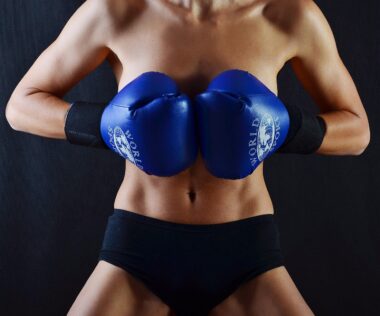
Choosing the right gear is essential for success in kickboxing competitions. Proper gear ensures safety while allowing you to perform at your best. Start with selecting high-quality boxing gloves, as they protect your hands and knuckles during strikes. Female fighters should also include shin guards primarily designed for kickboxing to protect their legs. Often, headgear is required, especially in sparring matches, to prevent injuries. Look for lightweight, breathable headgear that offers adequate protection and does not hinder your vision. Selecting the right shoes for kickboxing competitions is equally essential. Footwear should provide support and grip for swift footwork while remaining lightweight. Check the competition’s regulations for specific gear requirements. Many organizations have strict rules regarding the type of gear allowed for female participants. Additionally, consider the importance of comfortable and appropriate athletic wear. For women, breathable, flexible, and durable clothing is vital for unrestricted movement. It’s crucial to try on gear and ensure a proper fit before the day of the competition. Being comfortable and well-equipped can enhance your performance and boost your confidence during the event.
When preparing for a kickboxing competition, understanding the importance of weight management is vital for female participants. Many competitions have specific weight classes to ensure fairness among competitors. It becomes essential to know your weight category ahead of the competition and adjust your diet and training regimen accordingly. Many athletes face challenges with weight cutting, which can be physically and mentally taxing. Develop a healthy weight management plan that allows for safe weight loss, if needed, without compromising your performance or health. Focus on nutrition strategies that emphasize whole foods, proper hydration, and avoiding extreme calorie reductions. Seek the guidance of a nutritionist or coach to ensure you’re making informed decisions. Furthermore, understanding the timeline for weigh-ins will ensure you arrive at the event prepared. Post-weigh-in nutrition practices will also be significant, allowing you to replenish energy quickly. Remember, sustaining a positive mindset about your body and abilities is critical during this time. It’s essential to celebrate the successes leading up to the competition and focus on performing rather than solely on weight. Keeping a holistic approach will enhance your overall experience.
The Emotional Rollercoaster
Preparing for kickboxing competitions can be an emotional rollercoaster, especially for women. Many female athletes experience pre-competition anxiety, which can manifest as nervousness or self-doubt. Understanding that these feelings are common can help alleviate some of the pressure. Developing coping mechanisms is vital, including recognizing personal triggers and practicing relaxation techniques. Reaching out to mentors or experienced fighters can provide insight and support during this time. Emphasizing positive self-talk and visualization can also help mitigate negative feelings and create a confident mindset. It’s important to remember that everyone faces challenges when competing, and setbacks are part of the journey. Sharing your experiences with your training peers can create a sense of community and inspire one another. Reflecting on personal goals and progress can shift the focus from pressure to personal growth. Many women find great empowerment through overcoming their fears and embracing the challenges of kickboxing. Competitions can serve as a testament to hard work and dedication, reminding participants of why they began this journey. Remember, each competition brings unique experiences that can shape your skills and attitude in the long run.
In conclusion, entering kickboxing competitions as a woman is both a challenging and empowering experience. Women must prioritize physical training, mental conditioning, understanding the rules, choosing the right gear, and managing weight for optimal performance. By addressing these key aspects, female participants can ensure they are well-prepared for the competition. Networking with fellow athletes can provide emotional support, while training at supportive gyms offers opportunities for growth. The learning that comes from each competition—whether through victory or loss—builds resilience and character. Continued exploration of the kickboxing scene allows female athletes to connect with a broader community who share similar experiences. Remember, it’s about personal growth and empowerment regardless of external judgment. Choose competitions aligned with your journey and remember that every step is significant in building confidence and skills. Keep striving for excellence and embrace the thrills of kickboxing. The empowerment women experience through this sport goes beyond the ring, opening doors for self-discovery in all aspects of life. Ultimately, kickboxing competitions serve as a powerful platform for women to showcase their skills, build confidence, and inspire others to pursue their passions.