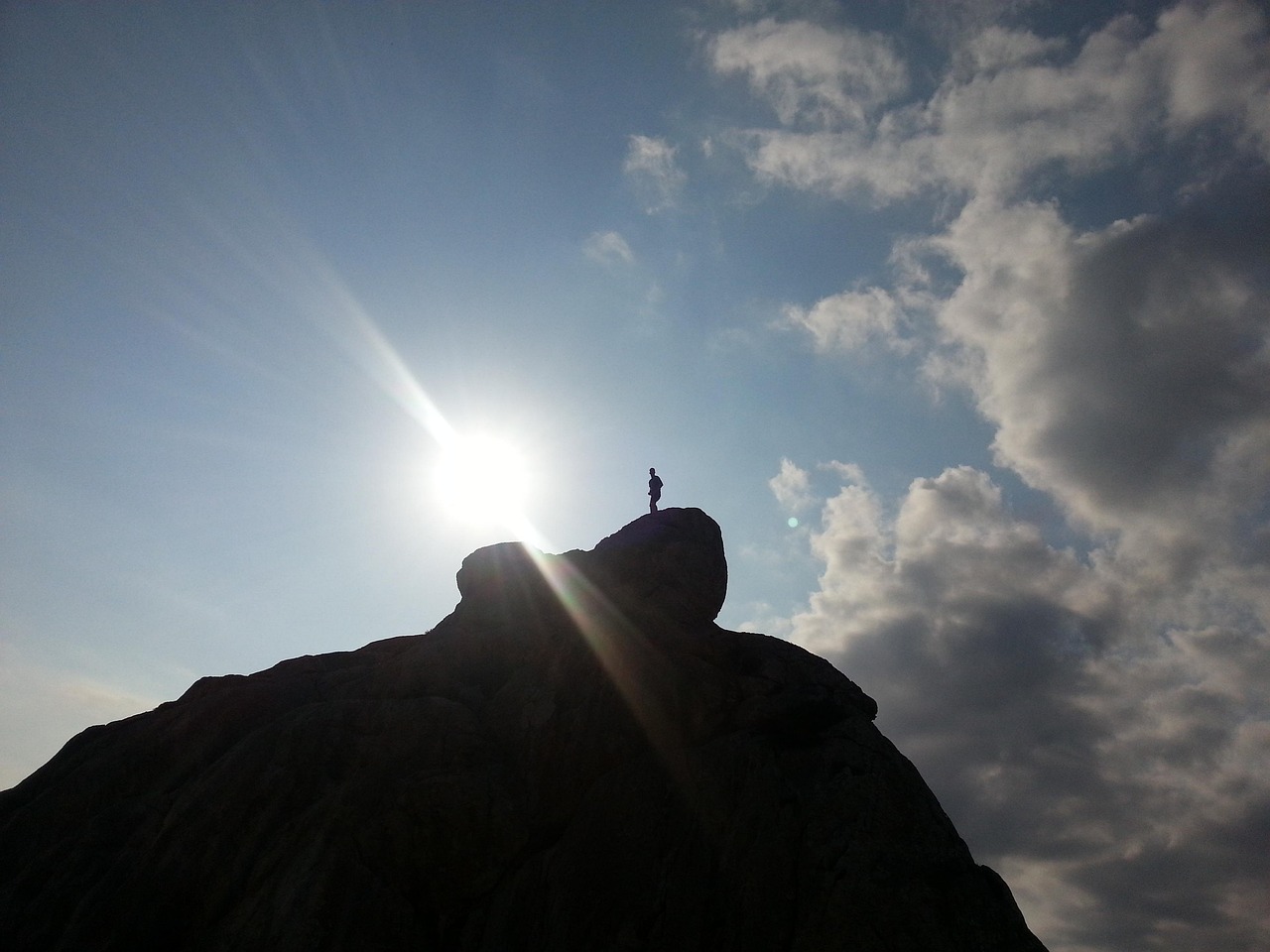

Navigating Difficult Terrain: Tips for Steep and Rocky Trails
Hiking in difficult terrain, particularly on steep and rocky trails, can be an exhilarating experience for outdoor enthusiasts. However, it does require proper planning and the right techniques to ensure both safety and enjoyment. Proper footwear plays a crucial role when navigating uneven surfaces. It’s important to select hiking boots that provide good ankle support and have a rugged tread to prevent slipping on rocks. Practicing balance can also improve your ability to maneuver across uneven ground. Shifting your weight as you step while using hiking poles can enhance stability, making it easier to traverse tricky sections. Remember to always keep your eyes on the path ahead, which helps in spotting potential hazards like loose stones or sudden drops. When facing uphill sections, take shorter steps to conserve energy. On the descent, use controlled movements to ensure you don’t lose your footing, especially on loose gravel. Lastly, practicing good hydration and stretching techniques will keep your muscles ready for action throughout your hike, reducing the chance of injuries. By preparing properly, you can enjoy the great outdoors without the stress of difficult terrain.
Another vital tip for hiking on steep and rocky trails is to be aware of the weather conditions before setting out. Weather can greatly affect trail conditions and your safety as a hiker. Rain can make surfaces slippery and increase the risk of falls, while exposure to direct sunlight can lead to dehydration. Always check the forecast, and if it looks unfavorable, consider rescheduling your hike. Additionally, recognizing your physical capabilities is essential. Do not attempt trails that exceed your level of fitness. Train regularly with exercises focused on strength, endurance, and flexibility. A well-prepared hiker is better equipped to tackle steep sections safely. When planning your route, include well-marked trails to navigate better and avoid getting lost in remote areas. While on the trail, it’s wise to take breaks when necessary, allowing for recovery and energy replenishment. Use this time to observe your surroundings and appreciate nature’s beauty. This approach not only boosts your morale but also promotes a healthier hiking pace. By understanding your limits and constantly assessing your environment, you can tackle steep and rocky trails with confidence.
Equipment Essentials for Steep Trails
When tackling steep and rocky terrain, ensuring you have the right equipment can mean the difference between a successful hike and a challenging one. First, consider investing in quality trekking poles. They provide valuable support and stability, allowing you to distribute weight evenly, especially during descents. A properly fitted backpack is another essential item. Look for one with adjustable straps and diverse compartments to keep your gear organized, making it easy to access when needed. Additionally, consider bringing a first aid kit containing basic supplies for any minor injuries. During your hike, know how to navigate using a map and compass, even if your smartphone has GPS features. While technology can fail, traditional navigation tools are reliable and never run out of battery. Always keep a whistle handy for emergencies; it can signal your location should you need help. A multi-tool can also be beneficial for various situations. When you pack adequately and have the right equipment, you will enhance your hiking experience through steep and rocky trails significantly.
Navigating difficult terrain requires a strong focus on safety practices. Always inform someone about your hiking plan and expected return time. In case of emergencies, this information could be crucial. As you hike, maintain a steady pace and avoid pushing yourself too hard, which can lead to fatigue or accidents. Pay attention to your surroundings; practice situational awareness to respond quickly to potential threats like falling rocks or wildlife encounters. In rocky environments, always be conscious of your foot placement and balance. Avoid jumping between rocks, as this can lead to missteps and falls. Instead, take your time and navigate carefully over obstacles. When approaching steep inclines or declines, look for established routes or paths to minimize risks. These trails are often more secure and have been tested by other hikers. Always use your poles, especially downhill, to help prevent falls and absorb shock. When hiking with a group, maintain a consistent pace that accommodates everyone’s abilities. Collaboration and communication are key to ensuring that every member of the group stays safe and comfortable throughout the hike.
Strategies for Uphill Hiking
Uphill hiking can be particularly challenging on rocky trails, often requiring a combination of physical strength and mental determination. To better tackle such ascents, use a method called the ‘three points of contact’ strategy. This technique involves maintaining at least three feet or limbs in contact with the trail at all times. It provides stability, especially when navigating steep inclines. Also, consider utilizing switchbacks. These winding paths often make climbs less steep and more manageable. Maintaining control while climbing, keep your body centered over your feet, as this helps maintain balance and reduces strain on your legs. Taking a bracing stance, with your knees slightly bent, can also provide additional support. Take regular breaks to avoid exhaustion, allowing your body to recover. Use these breaks to hydrate and snack, preventing energy depletion. Consider practicing your climbs in advance with easier trails to build strength and endurance. Remember to focus on technique instead of speed: steady and measured movements will yield better results in steep terrains, ultimately making your hike more enjoyable.
Descending steep and rocky trails brings its own set of challenges that require specific strategies to navigate safely. Firstly, always face the slope when descending. This method provides more control and reduces the chance of slipping. When your footing is unsure, use your trekking poles to maintain balance, lowering your body’s center of gravity. Always stay aware of the placement of your feet, choosing solid footing with good grip. Avoid rushing down the hill, as it increases the risk of falling. Instead, take it slow, pacing yourself as you evaluate your next steps. Shifting your weight to your heels while maintaining a slight bend in your knees will enhance stability. If you need to take a break, find a flatter area where your body can rest safely. When necessary, practice controlled falls: if you slip, rolling or going to the side can help reduce injury. Lastly, take care of your knees and legs, as steep descents can place a lot of strain on your joints. Consider compression sleeves or wraps to provide support, ensuring you’re ready for future hikes.
Join the Hiking Community
Engaging with the hiking community can be incredibly beneficial, especially if you’re new to navigating steep and rocky trails. Joining local hiking clubs or online forums provides you with abundant resources, connecting you to more experienced hikers who willingly share their knowledge. These interactions often lead to group hikes where you can learn techniques in real-time. Connecting with others in the community can provide both motivation and camaraderie, enriching the overall hiking experience. Additionally, participating in workshops focused on outdoor skills can build confidence and competence. Skills such as navigation, first aid, and conservation ethics are essential when tackling all types of terrain. Sharing experiences with others can offer fresh perspectives and strategies, making your hiking adventures more rewarding. Keep an open mind when receiving feedback or advice; each hiker has unique insights that may prove valuable. Continue challenging yourself by gradually tackling more difficult trails as you gain experience. Steep and rocky trails will give you a deeper appreciation for hiking, nature, and your capabilities. Remember, every hike is an opportunity to grow and connect with nature!
Lastly, always carry a leave-no-trace mentality with you while hiking. Respecting the natural environment is crucial, especially on challenging trails where erosion can occur. Stick to marked paths to minimize impact on the landscape. Only camp or rest in designated areas, and be sure to pack out all trash, including biodegradable items, to protect wildlife. Additionally, educate fellow hikers on maintaining trail etiquette; creating a culture of respect enhances the experience for everyone. Practice kindness to fellow trail users by taking turns and allowing others to pass. If you encounter wildlife, observe from a distance, avoiding any actions that might disturb their natural behavior. Lastly, be mindful of local regulations regarding trails and parks. Different areas have varying guidelines, and following these ensures the sustainability of the paths you love. Engaging in these practices keeps the trails preserved for future generations while enhancing your experience. By preparing physically, being aware of your surroundings, and respecting nature, you can navigate steep and rocky trails safely and confidently while appreciating the beauty of the great outdoors.