
Reducing Wrist Strain While Doing Kettlebell Presses
Kettlebell training is an effective way to improve strength, endurance, and flexibility. However, one common issue that practitioners face is wrist strain during exercises like the kettlebell press. To minimize this discomfort, proper technique is critical. Focusing on hand positioning can significantly alleviate stress on the wrist joint. Always ensure that your grip is firm but not overly tight; a loose grip can help in reducing strain. Another important consideration is the angle of your wrist during the lift. Ideally, keep your wrist in a neutral position. Avoid bending your wrist backward, as this can create unnecessary tension. Instead, aim for a straight line from your elbow to your wrist. Practicing wrist mobility exercises may also assist in better adapting to kettlebell movements. Regular stretching can improve flexibility, which in turn helps in managing strain. Lastly, ensuring you’re utilizing an appropriate weight is paramount. Start light to establish proper form before progressing to heavier kettlebells. Above all, listen to your body. If you feel significant pain, stop immediately and reassess your technique.
Another essential aspect of kettlebell training is warm-up practices. Before you start your kettlebell presses, a thorough warm-up can aid in preparing your wrists for the load they will carry. Incorporate wrist circles and flexor stretches into your routine. These simple exercises help increase blood flow and mobility, making it safer to handle weights. You can do wrist circles by extending your arms straight ahead and rotating your wrists in clockwise and counter-clockwise motions. Holding each stretch for approximately 15-30 seconds will make your muscles more pliable. Furthermore, combining these with overall body movements can help. Dynamic stretching not only targets your wrists but also engages other muscle groups that play a supportive role during presses. For instance, working your shoulders and upper back can create a stable platform for your presses. Moreover, consider utilizing tools like resistance bands for additional warm-up exercises. Bands enhance your mobility and prepare your joints for dynamic movements. By properly warming up your body, you’ll ensure more effective kettlebell workouts and reduce risks associated with injury.
Proper Technique for Kettlebell Presses
Employing the correct technique during kettlebell presses is critical for minimizing wrist strain. Start by standing with your feet shoulder-width apart, allowing your body to support each movement effectively. When you grip the kettlebell, ensure that your thumb wraps around it, providing stability while avoiding excessive pressure on your wrist. As you lift, use your legs to generate power and transfer it through your core, allowing your arms to follow. Maintaining a stable core not only supports your lift but reduces the chances of improper wrist positioning. Also, keep the kettlebell close to your body during the press. Avoid flaring your elbows which may compromise your wrist alignment. Instead, tuck your elbows in and drive the kettlebell upwards using the strength from your shoulders, ensuring your wrist remains neutral. Consider integrating kettlebell workouts into smaller sets or reps for better control over your lifts. Paying attention to your form during workouts is essential. Recording your practice sessions can help identify technique flaws, leading to fewer injuries in the long run.
Gradually increasing your kettlebell press weights is important for both strength gains and wrist protection. Many beginners make the mistake of rushing into heavy lifts, which can compromise form and lead to wrist strain. A progressive approach allows your wrist to adapt safely over time, minimizing the risk of injury. Start with a weight you can comfortably press for 8 to 12 repetitions while maintaining good technique. Once you’ve established secure form, you can incrementally increase the weight by small amounts. Even a slight increase can make a significant difference in your training results, helping build strength progressively. Pair this approach with regular assessments of how your body responds to weights. Listening to your body effectively allows you to determine when to add weights or when you may need to scale back. Additionally, alternating your kettlebell workouts with other strength training sessions can provide balanced conditioning while allowing your wrists time to recover. Cross-training can help strengthen other muscles supporting your lifts, further reducing strain on your wrists. Ultimately, a patient and methodical approach yields the best long-term results for strength and safety.
Using Wrist Supports
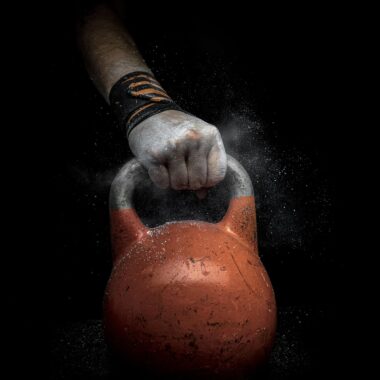
Consider utilizing wrist supports or braces during kettlebell presses if you are prone to discomfort or have an existing wrist condition. These supports can offer additional stabilization across your wrist joint, reducing the risk of injuring it during workouts. They can also help to enforce proper wrist alignment, especially when lifting heavier kettlebells. When selecting a wrist support, look for one that allows good range of motion while providing adequate support. It should not be too tight as to prevent circulation but snug enough to offer stability. Ensure that your wrist support fits well to avoid any distractions during your workout sessions. In addition to wrist supports, using kettlebell grips can also enhance safety during presses. These grips provide extra cushioning and can alleviate pressure from the kettlebell handle, decreasing the risk of strain. Remember, while wrist supports can be beneficial, they should not replace proper technique or warm-up practices. Use them as complementary tools to ensure a safer and more effective workout experience. Prioritize your safety and comfort during kettlebell training to enhance your overall performance.
It’s also vital to focus on recovery after your kettlebell training sessions. Proper recovery practices help your muscles, including those surrounding the wrist, heal and strengthen after workouts. Incorporate cool-down routines post-training to promote flexibility and relaxation. Gentle stretching can be especially effective for the wrists, allowing them to regain full mobility after lifting activities. Ice therapy can also be beneficial if you experience soreness or stiffness. Apply ice for 15-20 minute intervals to reduce inflammation and promote healing. Additionally, consider using foam rollers or massage balls on your forearms and surrounding muscles to alleviate tension. These recovery practices contribute to overall joint health and can aid in preventing future wrist issues. Nutrition plays a role too; ensure you are consuming a balanced diet high in anti-inflammatory foods. Foods rich in omega-3 fatty acids can help manage inflammation effectively. Staying hydrated is equally important for recovery. Also, obtaining adequate sleep will allow your body to undergo crucial healing processes. By prioritizing recovery, you’ll not only reduce wrist strain but overall body performance in kettlebell workouts.
Conclusion
To summarize, reducing wrist strain during kettlebell presses hinges on several fundamental practices. These include mastering proper technique, consistently warming up, progressively increasing weight, and listening to your body. Adding wrist supports can provide an extra measure of safety while ensuring good form, but should not be considered standalone solutions. Focus on recovery strategies such as stretching, ice application, and nutrition to enhance your training outcomes. The combination of these practices creates a supportive environment for effective kettlebell training. This way, you can build strength safely while minimizing injuries. Moreover, fostering a community by training with partners can promote accountability and create a positive atmosphere for learning and improvement. Continual education on kettlebell techniques and safety is essential. Investigating online tutorials, engaging in workshops, or following experienced instructors can enrich your kettlebell training journey. Wishing you all the best as you incorporate kettlebell exercises into your routine while following these safety tips. Your commitment to safe practices will lead you towards achieving fitness goals, so keep pushing your limits intelligently.
In conclusion, kettlebell training requires attention to safety measures that ensure long-term progress and health. Always be mindful of your form and maintain proper alignment. Your wrists take on significant stress during presses, making specific strategies necessary. These include focused warm-up routines, gradual weight increases, reinforcement of good techniques, and recovery practices following exercises. By taking these precautions, you contribute to your success in kettlebell training while also protecting your wrist health. Become well-acquainted with your abilities and limitations. Embrace patience as you develop your skills, and don’t hesitate to adjust your approach along the way since every individual’s journey is unique. With dedication and proper guidance, you can safely enjoy the numerous benefits of kettlebell training while minimizing strain. Commitment to safety will allow you to progress effectively, ensuring longevity in your fitness journey. Cultivate healthy habits that can extend beyond kettlebell training into other areas of your fitness life. Whether you are a seasoned kettlebell enthusiast or a beginner, remember that with a structured approach, you can thrive in this dynamic form of exercise.