
Sumo Wrestling: A Comprehensive Beginner’s Guide
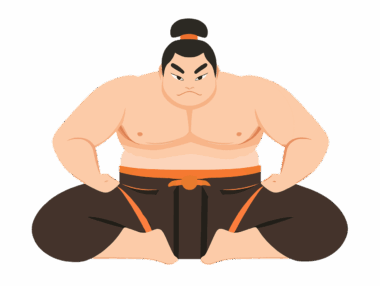
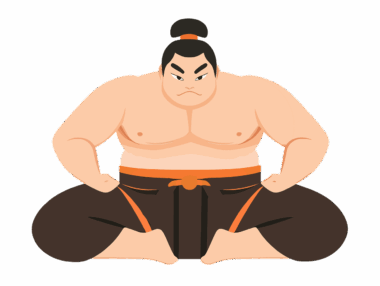
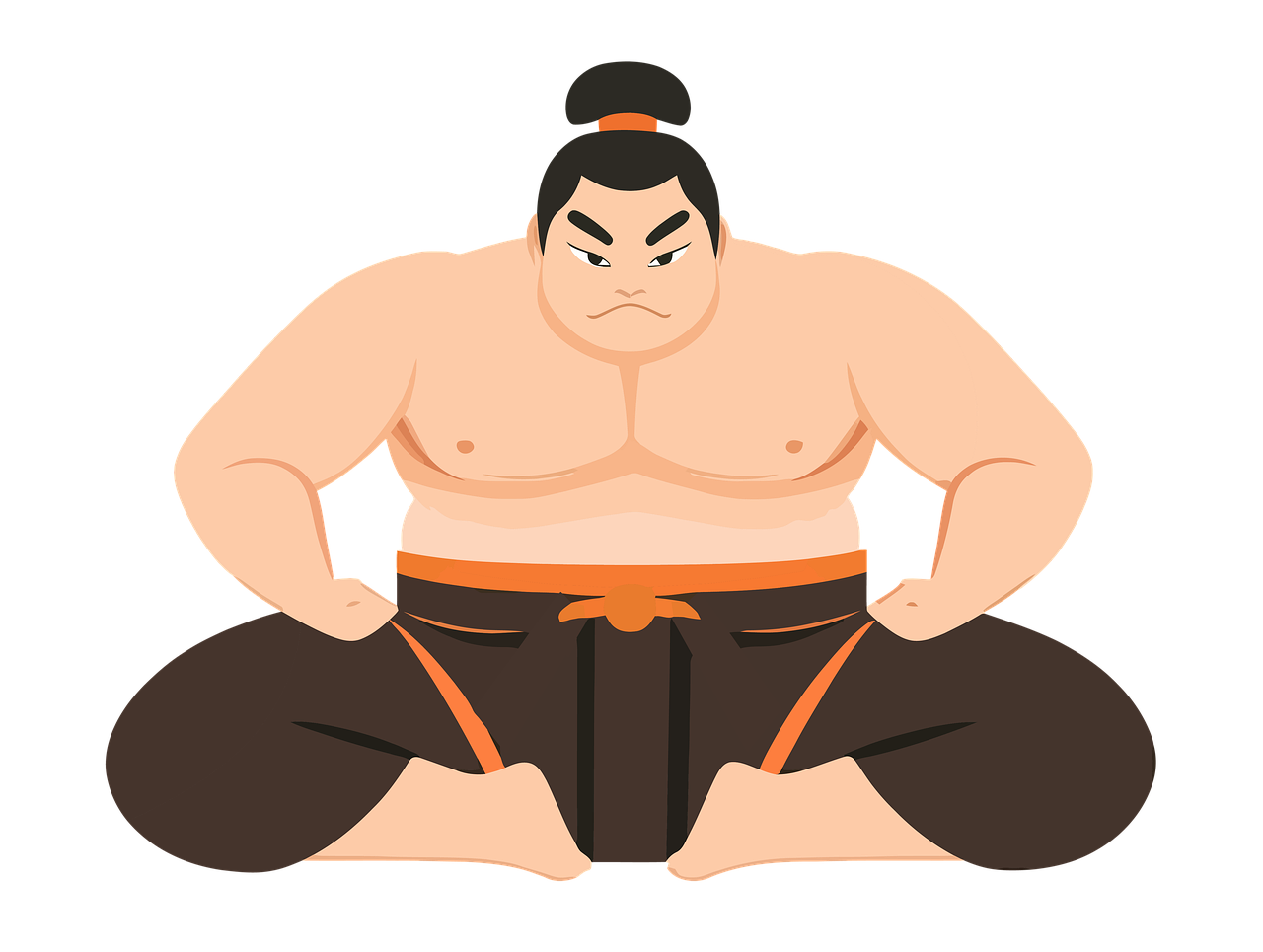
Sumo wrestling is an ancient and vibrant sport originating from Japan. It is deeply rooted in Japanese culture and traditions, often featuring rituals and ceremonies. The sumo ring, also known as the dohyo, is a circular space where matches occur, and it serves as the heart of the sport. Matches are typically brief but packed with strategy, showcasing the strength and techniques of the competitors. Unlike many other martial arts, the primary goal in sumo is to force your opponent out of the ring or make them touch the ground with any part of their body other than the soles of their feet. To succeed, a sumo wrestler must not only possess raw physical power but also agility and mental acuity. The life of a sumo wrestler begins with rigorous training, often starting from a young age. This unique sport allows individuals to develop discipline and focus while promoting physical growth and health. Understanding the fascinating intricacies of sumo provides deeper appreciation for this esteemed martial art and its wrestlers.
The Basics of Sumo Wrestling
Before diving into the sport, beginners should familiarize themselves with some basic terms and rules. In sumo, the wrestlers are called rikishi, and each one fights according to a series of carefully defined rules. The matches are officiated by a referee known as a gyōji, who is responsible for ensuring fair play and adherence to the rules. Wrestlers start in a crouched position, facing each other before the match. The objective is to push or throw the opponent from the ring while maintaining one’s own balance. There are various techniques known as kimarite that can be used for victory, some involving intense physical strength and others relying on speed and finesse. Understanding these techniques can help beginners grasp the sport’s complexity. Additionally, the ritualistic practices surrounding the matches, including the ceremonial salt throw and bowing, play a significant role in sumo wrestling, reflecting its cultural heritage. Observing these rituals contributes to a full understanding of the sport and its community, creating a richer experience for fans and participants alike.
The ranks in sumo wrestling are also notable, being divided into various divisions, including Makuuchi, the top division, and Juryo, a secondary division. Wrestlers are ranked based on their performance, and their rank affects their salary and living conditions. Promotion and demotion among divisions are determined based on the results of bi-monthly tournaments known as honbasho. Successful participation in these tournaments is critical for rikishi aspiring to the highest levels of the sport. The highest rank is Yokozuna, reserved for very few wrestlers who have demonstrated exceptional skill and performance. Each rank has its own degree of prestige and respect within the sumo community, contributing to the competitive nature of the sport. Moreover, the journey of a rikishi involves rigorous training regimes that often require them to live in a stable, where they must follow strict rules regarding diet and daily activities. These challenges foster a sense of camaraderie among wrestlers yet also promote individual dedication, creating a unique sports culture that prevails in the world of sumo.
The Training Regime
Training in sumo wrestling isn’t just about physical workouts; it combines technique, strength, strategy, and psychological toughness. Rikishi train at a sumo stable, known as a heya, which serves as their living and training environment. Daily routines are strenuous, beginning early in the morning with traditional exercises and practice matches. The training often emphasizes strength building through various exercises, such as shiko (leg stomping) and suri-ashi (sliding footwork), while also incorporating bout strategies with training partners. Proper nutrition plays a critical role in a wrestler’s development; they often consume a high-caloric stew known as chanko-nabe, which provides the nutrients needed for weight and strength gain. The discipline of a sumo wrestler requires them to adhere to a strict daily schedule, balancing intense training with study of techniques and strategies. This blend of physical training and mental preparation sets the foundation for success in tournaments. For those interested in pursuing sumo, understanding these training principles can offer valuable insights into the discipline and commitment required in this unique sport.
Moreover, aspiring sumo wrestlers must also focus on developing mental resilience and adaptability. Matches can be tense affairs where quick decisions and adjustments matter significantly. As rikishi improve and face different opponents, learning to read their opponents’ strength and tactics becomes imperative. Mental fortitude is just as important as physical toughness. Wrestlers employ visualization techniques to mentally rehearse successful outcomes, aiding in confidence during matches. They also engage in reflection after each bout, analyzing their techniques and performance to achieve continuous improvement. Coaches play an essential role in guiding these aspects of training, often providing wisdom based on years of experience in the ring. Additionally, matching up against wrestlers of varying styles and strengths challenges rikishi continuously, keeping their skills sharp and dynamic. Support systems, including fellow wrestlers and coaches, enhance this process, fostering a brotherhood spirit that is integral to sumo wrestling. For newcomers eager to join, recognizing this mental dimension alongside physical training can significantly impact their scuccess.
Participation and Watching Sumo Matches
Attending sumo matches offers a thrilling perspective of this ancient sport. Tournaments, held regularly throughout the year, provide fans with the opportunity to witness exciting bouts and revel in the unique atmosphere surrounding the events. Spectators experience not only the matches but also the vibrant ceremonies preceding them, like the salt purification rituals performed by the rikishi. These tournaments take place in grand arenas, where audiences are often captivated by the fierce competitiveness and the colorful ceremonial dress of the rikishi as they enter the ring. Engaging with fellow fans enhances the overall experience, as sharing thoughts and insights about the matches fosters community. Understanding match formats, such as what actions lead to victories, can further enrich viewers’ experiences. Additionally, newcomers to sumo often find themselves drawn to the larger-than-life personas of the wrestlers, each with unique backgrounds and stories that make the sport even more engaging. Watching at the venue grants fans a full experience, revealing the rich tapestry of culture, tradition, and athleticism that defines sumo wrestling.
Finally, enthusiasts can also enjoy sumo through various media channels beyond live events. Many matches are recorded and made available online or on television, allowing fans to watch their favorite rikishi from the comfort of their own homes. Documentaries that delve into the lives of sumo wrestlers provide deeper insights into their training, rituals, and personal journeys. Numerous online communities and forums exist where fans can discuss techniques, match outcomes, and wrestler development, turning essence sumo into a fascinating spectacle that transcends mere competition. Participation in local practices or sumo classes provides individuals with the chance to experience the sport firsthand, allowing them to learn basic techniques and engage with the history and traditions that accompany sumo. These budding enthusiasts often develop a newfound appreciation for the sport. The journey into sumo wrestling not only offers insights into its technical nature but also presents personal growth through discipline, strength, and resilience, embodying the true spirit of this revered martial art.
In conclusion, sumo wrestling stands as a testament to the fusion of sport, culture, and art, making it a captivating subject for beginners and seasoned fans alike. The journey into sumo is far more than mere technique mastery; it encompasses physical training, mental agility, cultural understanding, and personal growth. This art form allows practitioners to develop resilience and discipline while providing a unique platform to engage with a storied tradition. The intricate web of rituals, rules, and cultural significance enriches the experience for both wrestlers and fans. Sumo wrestling represents not only athletic prowess but also profound respect for tradition and honor. As interest in martial arts continues to grow, sumo stands out as a multifaceted discipline that is both approachable for beginners and challenging for seasoned athletes. Engaging with the world of sumo invites individuals to discover more about themselves and the dedication required for success. Therefore, whether as a practitioner or an avid fan, embracing this fascinating sport can lead to a deeper understanding of its values and the transformative potential it holds in both personal and athletic realms.