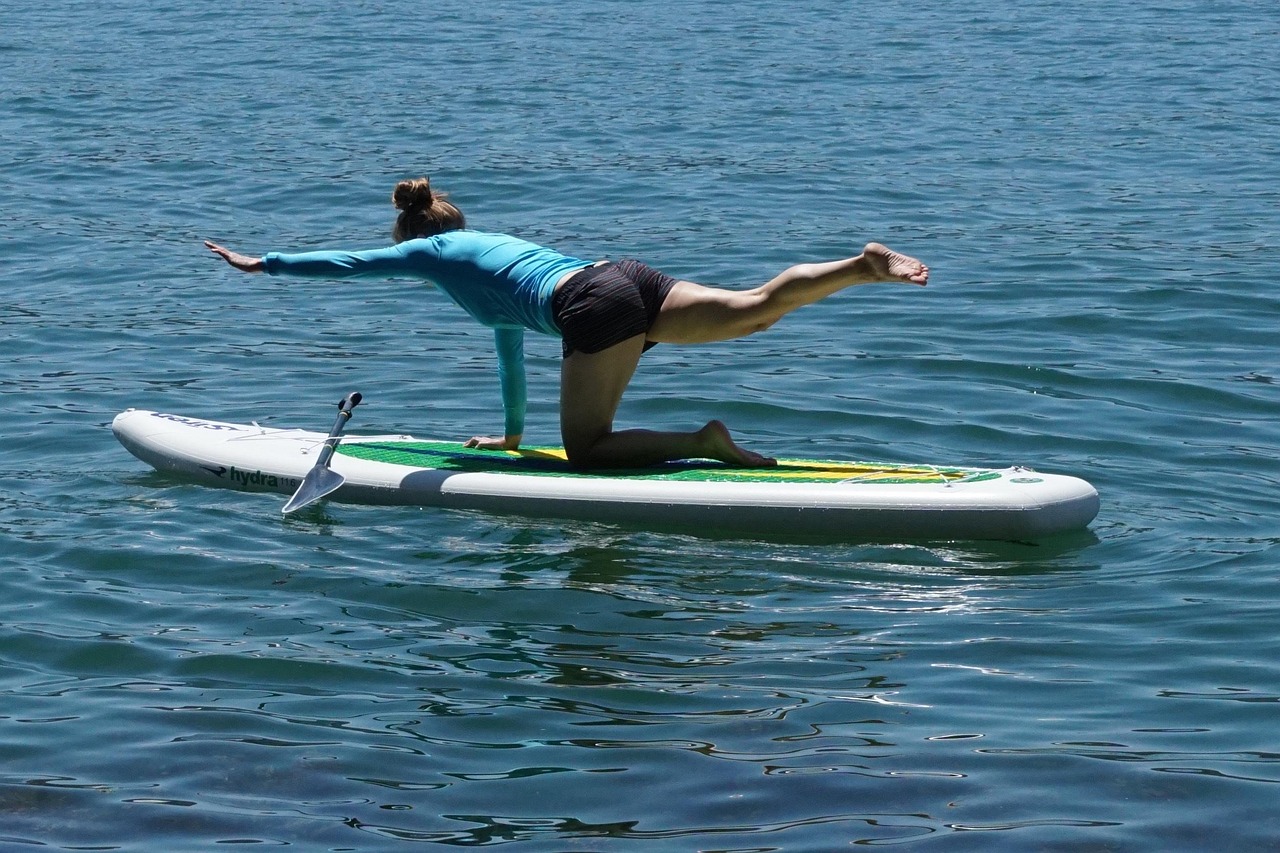

Using Balance Boards for Elite Athletic Performance
Balance boards are an increasingly popular tool used by elite athletes to enhance their performance. These devices allow athletes to engage in advanced balance training techniques which focus on improving stability and overall coordination. By incorporating balance boards into their training regimen, athletes not only strengthen their core muscles, but they also develop proprioception, which is the awareness of body position and movement. This can be particularly beneficial in sports that require quick directional changes, such as basketball, soccer, and skiing. Athletes can vary the intensity and complexity of their training sessions by adjusting the board’s angle or using unstable surfaces. Additionally, balance boards can also help prevent injuries by promoting agile movements and strengthening the stabilizing muscles crucial during athletic activities. The key to maximizing performance lies in how athletes integrate these boards into their existing routines. Combining balance training with strength, flexibility, and endurance workouts will lead to holistic improvements in athletic performance. Thus, balance boards serve both as a vital training tool and a preventive measure against common sports injuries.
Benefits of Balance Boards
The use of balance boards is not just confined to elite athletes but is beneficial for anyone looking to improve their balance. By utilizing a balance board, users can effectively target various muscle groups including the legs, core, and even upper body. This unique training method helps athletes to enhance their overall stability, which is critical in maximizing performance across different sports. Additionally, balance boards can improve reaction times, which is valuable for competitive athletes. This is accomplished by training the central nervous system to react quickly to shifts in balance, enhancing agility. Users can also use balance boards to cross-train and tackle different physical challenges, resulting in a well-rounded fitness profile. Regular practice on a balance board can lead to greater muscle engagement during athletic activities, ultimately translating into improved performance. Furthermore, balance training is a low-impact exercise that can be easily included in most workouts, making it accessible for a variety of skill levels. This adaptability ensures that anyone can reap the benefits of balance training, thereby enriching their overall fitness journey.
The methods of utilizing balance boards differ from athlete to athlete, depending on their specific sports and goals. For instance, a surfer may use a balance board to imitate the unstable conditions of the ocean, thus helping refine their balance and stability while riding waves. Meanwhile, a football player can enhance their agility and quick movements by engaging in dynamic balance exercises on the board. Different positions and stances on the board can target specific muscle groups that are critical for performance in a given sport. Furthermore, athletes can incorporate various exercises such as squats, lunges, and even push-ups while balancing, increasing the versatility of training. It is essential for athletes to gradually increase the intensity and challenge of their workouts to maximize physical benefits without risking injury. Coaches often oversee training sessions to provide feedback and adjustments in technique. By understanding how to apply balance training to their specific sport, athletes can create customized workouts that lead to measurable gains in performance. Tracking progress is crucial; athletes should document their improvements as they become more proficient on the balance board.
Injury Prevention Through Balance Training
One of the often-overlooked benefits of incorporating balance boards into athletic training is injury prevention. Many sports lead to muscle imbalances and overuse injuries due to repetitive motions and lack of stability. By challenging the body on unstable surfaces, balance boards help strengthen the muscles around joints, particularly in the ankles and knees, reducing the likelihood of sprains and strains. Balance training enhances proprioception, which is crucial for maintaining joint stability and proper movement patterns during athletic events. Additionally, developing better balance improves overall body mechanics, thus decreasing repetitive strain injuries away from practice. Preventing injuries not only optimizes performance but also extends an athlete’s career by minimizing time spent on the sidelines. With fewer injuries, athletes experience increased confidence in their abilities and movements during competition, which can translate into better performance outcomes. It is essential to integrate balance training as a staple in an athlete’s workout routine, both as a prevention strategy and to promote longevity in their sports career. Indeed, the link between balance training and injury prevention is clear and underscores the importance of proactive conditioning.
A well-designed balance training program will benefit from diversity in exercises and settings. Static and dynamic balance training can both be replicated on balance boards, offering a comprehensive workout. Static balance exercises can include holding one leg on the board while maintaining a stable posture, while dynamic exercises may require movement like weight shifts or squats. Surfing, snowboarding, or skateboarding athletes can benefit from the dynamic simulation of those sports on balance boards. Athletes interested in enhancing their endurance may use their balance boards for cardio-related exercises, such as movements resembling that of an agility ladder. The versatility offered by balance boards allows athletes to break through training plateaus and keep their workouts fresh and challenging. Progression is vital; as athletes become more skilled, increasing the complexity of the exercises will keep them engaged. Maintaining a balanced approach to training ensures that all muscle groups are sufficiently strengthened and conditioned. By varying exercises after periodic assessments, coaches can help athletes remain challenged and achieve their desired performance outcomes. Ultimately, incorporating balance boards can lead to exceptional growth and improved results in athletic endeavors.
Concluding Thoughts on Balance Boards
In conclusion, the integration of balance boards into athletic training is proving essential for those aiming for elite performance. These boards not only enhance physical stability and proprioception but also promote the use of targeted muscle groups essential for various sports. The benefits of balance training can be seen across sports disciplines, from injury prevention to enhanced athletic performance. Achieving a noticeable improvement in balance and coordination through balance board training is a journey that can yield remarkable results with consistent practice. Moreover, balance boards can serve anyone, regardless of age or skill level, as an enjoyable way to improve overall fitness. As balance board exercises spark creativity in training regimes, athletes can remain motivated and focused on their goals. It is important to remember that the key to success lies in creating a structured and varied training routine incorporating all aspects of physical conditioning. Emphasizing balanced training, alongside strength and endurance exercises, ensures facilities offer comprehensive support to athletes. Thus, reaping the physical and mental benefits of balance training unlocks new doors of athletic potential.
As the popularity of balance boards continues to rise, so does the availability of different types and designs. From simple wooden boards to advanced gyroscope balance trainers, the market offers a wide range of options that cater to various needs and preferences. Athletes must select a balance board suited to their skill level and objectives to achieve the best results. Moreover, supplemental accessories can increase the versatility of balance training, including resistance bands for added weight, or balance discs for dynamic function. These additional tools can be integrated seamlessly into workouts, enhancing the training experience. Furthermore, incorporating educational resources, such as workshops or instructional videos, can also help athletes learn proper techniques to maximize their balance training sessions. Coaching plays a significant role in utilizing balance boards effectively; thus, partnering with a trainer or expert can amplify results. In summary, balance boards stand out as an effective method for athletes to achieve superior balance, coordination, and agility. With commitment and a well-structured program, athletes can elevate their performance and gain a competitive edge in their respective sports.