
Balance Exercises That Complement Walking Programs for Older Adults
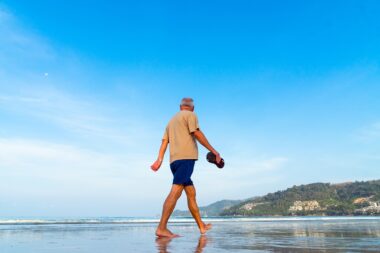
Maintaining balance is crucial for older adults, particularly for those who engage in walking programs. Incorporating specific balance exercises into their routine can significantly enhance stability and mobility. Regular walking helps improve cardiovascular fitness, but balance exercises focus on preventing falls, which are a significant risk for seniors. Simple activities like standing on one foot or heel-to-toe walking can make a big difference. Using supports, such as chairs or walls, can provide extra assistance. It’s vital to start slowly, gradually increasing the difficulty to remain safe and effective. Even gentle stretching can be beneficial for overall flexibility and balance. Additionally, practicing balancing exercises can enhance muscle strength, which supports posture and stability, ultimately boosting confidence in moving around. Seniors should aim to include balance training in their fitness regimen at least twice a week for optimal results. With consistent practice, they will notice improvements over time, making everyday activities more manageable and enjoyable. Alongside walking, these exercises work hand in hand to promote independence and enhance quality of life among older adults.
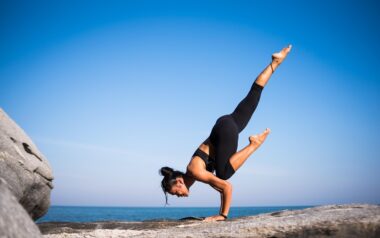
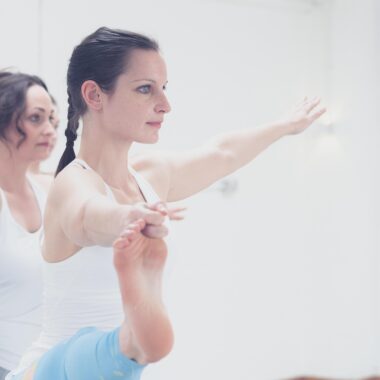
In addition to simple exercises, incorporating resistance training can also be beneficial for balance improvement. Resistance exercises strengthen the major muscle groups, providing essential support for standing and walking activities. Examples include using light weights or resistance bands. Performing exercises such as seated leg extensions and standing calf raises can greatly enhance lower body strength. These activities help stabilize the core, further improving overall balance. Furthermore, yoga and tai chi are excellent options for older adults, combining flexibility, strength, and balance training into one. Classes designed specifically for seniors can provide a safe environment to practice these movements. Secretly, several yoga poses enhance balance and strength, such as tree pose or warrior pose. Tai Chi’s slow, deliberate movements are designed to develop balance, coordination, and concentration as well. Enrolling in a local class or finding an online tutorial can be an easy way to access these activities. Practicing these balance-focused exercises regularly can lead to increased confidence and reduced risk of injury while participating in walking programs. It’s essential to embrace a holistic approach to senior fitness that includes all aspects of health and wellness.
Creating a Balanced Exercise Routine
To get started, it’s crucial for older adults to create a balanced exercise routine that includes walking and balance training. Encouraging participation from family members can enhance motivation and provide social support. Setting realistic goals is essential to prevent frustration and enhance enjoyment of the activities. Begin with achievable daily walking distances, then gradually introduce balancing exercises after a few weeks. Performing these exercises for 10-15 minutes a day can lead to steady improvements. Integrating variety into the routine can maintain interest and engagement. For instance, attending group classes at local community centers can foster connection and create a positive atmosphere surrounding exercise. Likewise, utilizing resources like online videos or apps designed for senior fitness can help seniors practice at their own pace. Caregivers can also play an important role by participating alongside seniors, ensuring safety while reinforcing the importance of consistent exercise. Involving professionals, like physical therapists, can provide guidance tailored to individual needs. Together, these elements will help shape an effective plan that promotes balance, strength, health, and overall well-being for older adults.
In conclusion, balance exercises complement walking programs specifically designed for older adults. Balance is fundamental in maintaining independence and preventing falls, which can cause severe injuries in seniors. Continually practicing balance-centered routines can significantly enhance strength and coordination. Thus, it’s imperative to communicate the importance of regular exercises to seniors and caregivers. Having a consistent schedule promotes accountability and encourages participants to stay dedicated to their fitness goals. For those participating in walking programs, adding balance exercises will help maximize benefits and improve overall quality of life. As seniors progress, they may discover newfound abilities and heightened self-confidence through enhanced balance. Acknowledging these improvements can motivate them to continue exercising. Group participation fosters a sense of community, reducing feelings of isolation often experienced by older adults. Therefore, encouraging participation in fitness activities leads to better physical and mental health outcomes. It is vital to regularly assess physical capabilities and adapt strategies accordingly, ensuring safety while maintaining engagement in their routines. The integration of balance exercises into walking programs serves as an essential component of overall senior fitness and should not be overlooked.
Tips for Safe Practice
Safety during exercise is critical, especially for older adults engaging in balance activities. Providing a safe practice environment will help prevent falls and injuries. To achieve this, ensure the space is clear of obstacles like furniture or rugs. Non-slip shoes are also important, as they promote stability during exercises. Here are several tips to improve safety when practicing balance exercises: always have a sturdy support system, like a chair or wall, close by; encourage gradual progression in exercise intensity; consider wearing an emergency alert device for added security. To make balance exercises enjoyable, incorporate music or find a workout buddy to promote social interaction. Moreover, maintaining a healthy lifestyle, including a balanced diet, greatly contributes to physical well-being. Prioritizing hydration also plays a vital role in maintaining energy levels, supporting better movement, and ensuring a more engaging experience with exercise. It’s also essential for seniors to listen to their bodies and rest whenever needed. With proper care, dedication, and creativity, older adults can safely and effectively enjoy the benefits of balance exercises to complement their walking programs.
Finally, the combination of balance exercises with walking programs creates a comprehensive approach to fitness for older adults. As people age, maintaining independence and an active lifestyle is crucial for emotional and physical well-being. Regular walking improves cardiovascular health, while balance training protects against falls, a common risk in older populations. Studies indicate that older adults who prioritize both walking and balance exercises experience enhanced mobility, confidence, and overall health. Join local exercise groups or communities focusing on these dual activities. Sharing experiences and knowledge with others creates an enriching atmosphere conducive to personal growth and skill-enhancement. Incorporating regular physical activity can alleviate anxiety, tension, and isolation often found in seniors. Many creative balance exercises can be adapted to make them fun or engaging. Furthermore, creating mini-challenges among peers can foster camaraderie and friendly competition. Seniors should focus on their abilities rather than limitations while adapting their routines to suit their personal goals. Embracing this journey together creates a supportive network, enhancing motivation and encouraging lifelong fitness habits that last, ultimately leading to improved overall quality of life and well-being.
Resources for Further Information
There are numerous resources available to enhance balance and walking programs for older adults. Numerous websites and online platforms offer informative videos, instructional tutorials, and exercise ideas tailored specifically for seniors. Organizations focusing on senior fitness frequently publish blogs, articles, and newsletters discussing various exercises and health tips. Furthermore, physical therapists can provide personalized assessments and guidance about balance capabilities and tailored exercise recommendations. Consider visiting community centers that organize fitness classes designed for seniors, providing engaging environments while facilitating social connections. Local libraries often have books dedicated to senior fitness, providing diverse information and new exercise ideas to keep routines fresh and engaging. Programs like AARP and Silver Sneakers also offer resources and community classes that specifically cater to older adults seeking fitness opportunities. Staying connected with these resources empowers seniors with knowledge, support, and encouragement on their path to better health. Ultimately, maintaining consistency with balance exercises and walking programs ensures continued progress and fulfillment throughout their fitness journey. By exploring these avenues, older adults can significantly enhance their overall health and well-being.
Conclusion
Balance exercises are vital for older adults, as they complement walking programs well. Incorporating these exercises into regular fitness routines can significantly enhance stability and prevent falls. Finding enjoyable and suitable activities can motivate seniors to remain committed to improving their physical health. By following basic safety tips, gradually introducing new elements, and fostering a sense of community, older adults can create their enjoyable and effective exercise programs. Emphasizing balance training alongside walking promotes overall well-being and encourages continued participation. Senior fitness is essential for maintaining independence and improving quality of life; therefore, creating and maintaining regular practice is crucial. Lifelong dedication to fitness ensures positive health outcomes for older adults, ultimately leading to a healthier, happier, more fulfilling lifestyle. By embracing balance exercises alongside walking programs, seniors can improve their physical abilities and enhance their overall quality of life. As the fitness journey continues, keeping perspectives positive and acknowledging progress can ignite motivation to maintain ongoing routines. This holistic approach to fitness integrates mind, body, and spirit to elevate well-being and promote longevity among older adults.