
Career Transition Challenges for Retired Athletes
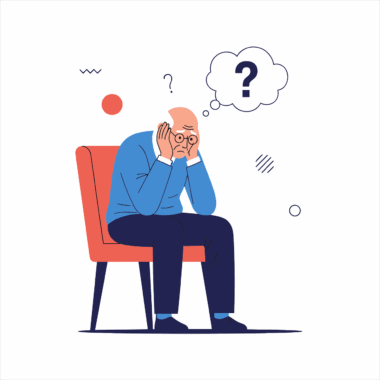
Transitioning from professional sports to retirement can present immense psychological challenges for athletes. The end of a career can lead to feelings of identity loss, as athletes often define themselves by their sport. This identity crisis can result in challenges such as depression, anxiety, and a lack of motivation. Athletes may struggle to adapt to a life outside competitive sports, as their daily routines shift significantly. Support systems can become crucial during this transition. Engaging with counselors or psychologists who specialize in sports psychology can assist in navigating these emotional changes. Additionally, building a new identity through hobbies or further education can ease the transition. Some retirees may benefit from mentorship roles or coaching positions. The psychological impact of retirement requires focused strategies to mitigate its effects. It’s essential for retired athletes to understand that they are not alone in this journey; many share similar feelings. Finding community support can allow for sharing experiences, providing reassurance that adaptation is possible. Overall, an effective strategy for overcoming these challenges includes seeking professional help and remaining proactive in pursuing new interests.
Understanding the Psychological Impact
The psychological impact of retirement on athletes is profound and multifaceted. Many retired athletes often face significant challenges in coping with their new reality. As they transition into a life devoid of structured training and competition, they may experience a wide range of emotions. Feelings of sadness, disillusionment, and isolation can arise. Additionally, some athletes may wrestle with unresolved grievances about their playing careers, further complicating their mental health. Understanding these psychological components becomes vital in addressing their needs. Research indicates that developing emotional resilience is critical for a smoother transition. Retired athletes should be encouraged to reflect on their career achievements positively, countering negative thoughts about their past. Regular engagement in physical activities, even if no longer at a competitive level, can also be beneficial for mental health. Connection with peers who have undergone similar transitions provides support and reassurance. Furthermore, exploring opportunities in related fields, such as sports commentary or sports medicine, can foster a renewed sense of purpose. By focusing on positive adaptations, athletes can navigate this challenging phase with greater ease and confidence.
Another significant factor influencing the transition is the athlete’s social network. Retired athletes often find that their relationships shift after leaving sports, with some friends and teammates distancing themselves. This can lead to increased feelings of loneliness and disconnection, creating additional hurdles during the transition. Forming new connections becomes essential, as former athletes engage with communities that share their interests. This new network can be through social clubs, organizations, or volunteer opportunities, which help facilitate social interaction. The process of rebuilding a community can be painful yet rewarding. In some cases, retired athletes may choose to return to their sport, albeit in a non-competitive capacity. This involvement can provide closure and fulfillment, allowing for a smoother adjustment. However, athletes must balance this desire with the need for personal growth beyond sports. Career guidance sessions focusing on transferable skills can aid in exploring new pathways leading to professional satisfaction. Embracing this period of change as an opportunity for self-discovery can empower athletes. Setting personal goals empowers retired athletes to reclaim agency over their future. The psychological aspects of this journey are crucial in ensuring a successful transition.
Pursuing Educational Opportunities
Education is a powerful tool in easing the transition from professional sports to retirement. Many athletes have the opportunity to pursue educational programs that not only broaden their knowledge but also enable them to acquire skills for future careers. Retraining through college courses or vocational training can unveil new passions and talents. Additionally, education can provide structured routines, replacing the discipline once found in sports. Engaging in lifelong learning encourages cognitive stimulation and personal growth. Moreover, education may offer a pathway to careers that align with their interests in sports, such as coaching, sports management, or sports therapy. Athletes who invest in education can enhance their confidence and sense of purpose. The transition doesn’t have to be viewed as an end but instead as the beginning of new opportunities. Online courses can be particularly accessible, accommodating busy schedules for those looking to balance further education with personal lives. The pivotal aspect of engaging in education lies in the mindset shift towards adaptability. Embracing change fosters resilience, ensuring that retired athletes can manage challenges that arise. Ultimately, pursuing educational opportunities is a strategic move for lifelong fulfillment and success.
Financial preparedness plays a crucial role in the transition process. Many athletes need to adjust to a significant change in income once they retire, leading to stress and anxiety about their future financial stability. Understanding personal finance management becomes essential in navigating this new chapter. Athletes should consider seeking advice from financial advisors to help with budgeting, investing, and planning for retirement. Financial literacy can empower athletes to make informed decisions and minimize stress related to money management. Developing alternative income streams, such as business ventures or endorsements, can also supplement their finances. Athletes may want to consider speaking engagements or writing a book about their experiences, enhancing their financial security. Ultimately, financial stability plays a pivotal role in enabling athletes to focus on their mental health and personal development during this transition. Safety nets provide a sense of security, allowing more time for self-exploration and growth. Engaging in workshops aimed at financial preparedness can instill confidence. Financial education is critical, offering tools for success well beyond their athletic careers. Retired athletes need to feel empowered as they navigate these challenges moving forward.
The Role of Family Support
The support of family and friends is vital during the retirement transition for athletes. Having a solid support system can significantly influence how retired athletes adjust to their new reality. Relationships with family members can become strained as athletes grapple with their changing identities. Open communication within families fosters understanding and can ease the emotional burden. Families can play an active role by encouraging retired athletes to explore new interests and opportunities. Emotional support becomes essential to navigate feelings of loss, disappointment, or identity crises that may arise. Additionally, family and friends can help retirees remain connected to their passions by attending local events or engaging in physical activities together. Acts of encouragement can facilitate discussions about future aspirations, allowing athletes to feel optimistic. Engaging in family support groups can provide additional resources. The presence of loved ones ensures that retired athletes do not have to face these challenges alone. The reinforcement of positive relationships contributes significantly to mental well-being and resilience. Athletes must recognize that the transitions can affect everyone involved, emphasizing the importance of collective healing and growth.
To summarize, the challenges retired athletes face during their career transition are multifaceted and complex. Addressing these psychological aspects requires a holistic approach. Athletes must be willing to seek support and explore various avenues for adaptation. Tools such as psychological counseling, educational opportunities, and financial planning play crucial roles in successful transitions. Building supportive social circles can ease loneliness, providing a sense of belonging and purpose. Moreover, engaging with family enhances emotional support, making the adjustment period more manageable. Ultimately, retired athletes possess unique skills that can translate into new careers, leading to fulfilling lives beyond their sports. Embracing change can empower former athletes to foster meaningful experiences and growth. It is essential that they recognize their importance extends beyond the playing field. These transitions can be reassessed as a series of opportunities. The journey of transitioning from sports should focus on individual well-being. This involves embracing new identities while cherishing past achievements. By fostering resilience, athletes can confidently step into the next chapter of their lives. In doing so, they can create new narratives filled with hope and meaning.
Final Thoughts
In conclusion, the challenges of retirement from sports demand careful consideration and support. Acknowledging the psychological impact allows for tailored approaches to foster healthy adaptations. Athletes’ transitions can be navigated successfully through education, community engagement, and emotional support systems. By enhancing personal growth outside of sports, retirees can redefine their identities. Moreover, fostering resilience allows them to face challenges. The journey from athlete to retiree can be transformed into one of fulfillment rather than loss. Connections made along the way can prove to be invaluable, guiding them through the complexities of transition. It is vital that retired athletes invest time in understanding the various resources available. Seeking help is not an indication of weakness, but rather a necessary step towards adaptation. Engaging in sports-related fields provides continuity while facilitating personal satisfaction. Overall, retired athletes are encouraged to focus on their mental well-being. As they navigate this new phase, they will discover renewed passions and avenues for success. The post-sport life holds promises of growth, fulfillment, and endless possibilities. Hence, embracing change with an open heart and mind enables them to thrive beyond their athletic careers.